Implats plans to use hydrogen fuel cell technology as its main source of energy for material handling and underground mining equipment
The three-year project which is the first of its kind in South Africa commenced in 2012 and was a collaborative effort between Impala Platinum Refineries, Hydrogen South Africa (HySA) Systems, the UWC and the Department of Science and Technology.
The initiative cost R12 million and focuses on building local skills in the development of hydrogen and fuel cell products and co-funding the development of the prototype forklift and refuelling station.
The project utilises a local supply chain consisting of Hot Platinum, TF Designs, Air Products and Sasol.
Over the last three years, HySA Systems received a total of R6 million from Implats for the development of a fuel cell-powered prototype forklift and refuelling station.
Implats plans to use hydrogen fuel cell technology as its main source of energy for material handling and underground mining equipment.
Exploring a carbon-neutral fuel source
Fahmida Smith, Fuel Cell Coordinator at Implats’ Impala Refining Services says, “These new applications are an exciting development in Implats’ move towards exploring a carbon-neutral fuel source for our operations and a practical example of our participation in collaborative efforts to develop fuel cell technologies and a vibrant, sustainable local fuel cell sector.”
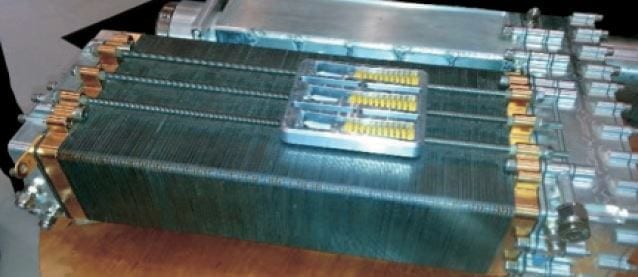
Fuel cells are a collection of technologies that use electrochemical processes rather than combustion to produce power.
The technology will significantly enhance ventilation requirements, and reduce heat, noise levels, and noxious and sulphide emissions underground.
Dr Cordellia Sita, Director of HySA Systems, notes: “Fuel cell-powered forklifts are gaining significant traction worldwide and are now entering mainstream commercialisation.
“However, the limited availability of refuelling infrastructure, coupled with the challenge of finding the most appropriate on-board hydrogen storage technology remains a big challenge. Through this demonstration project, HySA Systems has addressed both challenges through the use of a novel metal hydride material for both hydrogen compression and storage.”