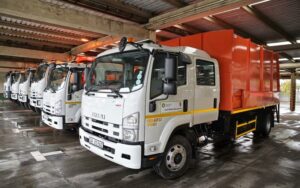
The City of Cape Town’s Urban Waste Management (UWM) Directorate has taken delivery of 19 new trucks in recent weeks.
The battle against illegal dumping and refuse collection delays has been boosted in recent weeks with the delivery of 19 new vehicles to the value of R38,8 million, including:
Seven trucks
Four new refuse compactors
Eight refurbished refuse compactors.
Extra trucks will increase the rate at which the City can clear dump sites. New refuse compactors will help improve the reliable collection of refuse on the scheduled day.
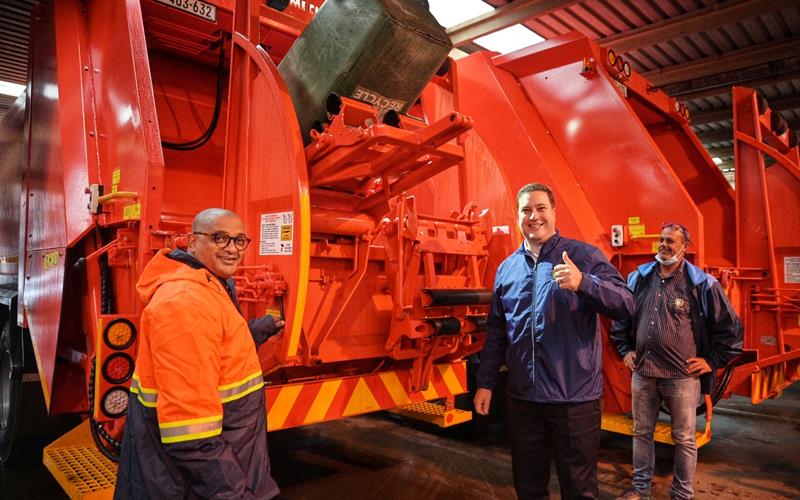
“We’re investing in new trucks constantly to ensure that every Capetonian gets regular, reliable trash collection. It was a pleasure to see these new trucks arriving and even to learn how to use them, and there are more coming!
“I have great respect for our hardworking teams who do bin collection in the City, and I’m glad they’ve now got new, better trucks and equipment,” said Cape Town Mayor Geordin Hill-Lewis.
The total value of all vehicles procured this financial year including this latest delivery is approximately R187,5 million.
“I am very pleased to see our fleet grow progressively after the challenges in refuse collection we have experienced in recent years. Extra vehicles to deal with dumping that is choking our vulnerable communities are also welcomed.
“The City is focussing intensively on these challenges and we hope that this will also encourage residents that the fight against littering and dumping can be won,” said Mayoral Committee Member for Urban Waste Management, Alderman Grant Twigg.
Every day, across our country, waste pickers walk kilometres collecting recyclable material to earn a living, and in doing so, they divert thousands of tonnes from landfill. Today, on Global Recycling Day, the PRO Alliance celebrates the successful...
South Africa’s latest Quarterly Labour Force Survey from Statistics South Africa shows an improvement in employment, with unemployment easing to 31.4%. However, the figures also reflect continued strain on the labour market and the limited capacity...
Johannesburg Water is strengthening its water demand management efforts in Soweto through technology, education and community collaboration – helping residents detect leaks, install water-saving devices and protect precious infrastructure. “Water...