Derek Whitfield, President of Borehole Water Association
With droughts, floods, and ageing infrastructure straining supply, safeguarding South Africa’s water resources is critical. The
Borehole Water Association (BWA) says responsibly drilled and managed boreholes are vital to easing the nation’s ongoing water crisis by providing reliable, sustainable access amid worsening climate and infrastructure challenges.
“Illegally tapping into municipal water supplies puts additional pressure on already strained systems,” says BWA president Derek Whitfield.
“The recent commencement of the drilling of boreholes in nine informal settlements in Gauteng,” he notes, “recognises the need to simultaneously provide water to growing communities, especially areas where infrastructure development has not reached these communities or has not been maintained for decades.”

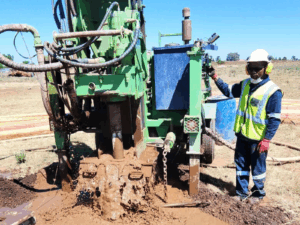
Albertus Lombaard, Borehole Water Association of Southern Africa Drilling Division Technical Advisor
Accessing water via properly constructed boreholes – which could be supported by new storage tanks, reticulation and standpipes – means that communities have a safe and sustainable source of water and no longer need to rely on illegal connections. Responsible Borehole drilling is a legal and safe way to ensure the responsible access to and use of valuable water resources.
Albertus Lombaard, BWA Exco member and special advisor on drilling, emphasises the importance of compliant borehole drilling in ensuring the protection of our natural aquifers and in the prevention of ground water contamination.
“More than 80% of South Africa’s towns depend on groundwater as their primary source of safe potable water. This situation emphasises the need in our country of more trained and certified borehole contractors,” he says.
“Borehole drilling is a critical skill in the context of South Africa’s water situation, providing responsible access to our groundwater resources.”