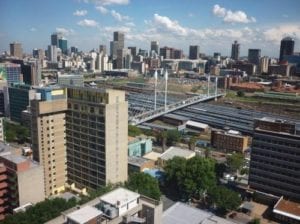
Love it or hate it, Johannesburg is the pulse of the South African economy, making the largest contribution to the Gauteng Gross Domestic Product. IMIESA looks at the most recent State of the City address for a bird’s eye view of this cultural melting pot.
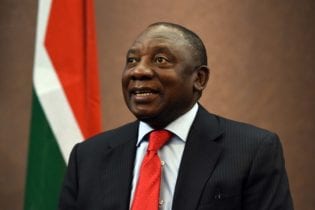
Jozi, as it is affectionately referred to by residents,is part of South Africa’s smallest yet ‘biggest’ province. Its energyis fast-paced and continues to compete with leading global cities worldwide. In his 2013 State of the City address, Mayor Mpho Parks Tau describes Johannesburg as “a city that cares deeply for all its residents, through its commitment to the provision of world class services”. He reminisced on the on the city-wide process that was held in 2010 to consult with the public on a future vision for the City. From the participation process, the Joburg 2040 vision was born, which focuses on creating a sustainable, liveable and resilient city – sustainable in its infrastructure and resilient in its ability to tackle unforeseen events. Cost of living Escalating living expenses, hikes in fuel prices, ageing infrastructure, the quality of service delivery and a depreciation of the public schooling and healthcare sectors remain concerns that fester within Johannesburg and South Africa. Concerns that Mayor Tau acknowledged in his address: “We hear your concerns, but this does not have to continue,” he stated. “We are addressing issues of road quality, filling in potholes, but also following a long-term approach to resurface roads in major areas including Bryanston, Sandton, Rivonia, Parkview, Eldorado Park and Riverlea.” Infrastructure updateHe also drew attention to the city’s commitment towards energy efficiency, particularly related to households. Over a three-year period, local government will install 110 000 solar water heaters in underprivileged households, and represents 10% of the national target of 1 million solar geysers by 2014. There are also plans to improve the quality of services in 35 wards and the rollout of separation at source has already been implemented in the waste services sector. “Over the next three years, we will have 70% of all households involved in separating waste at household level. This is in line with our target of reducing waste to landfill by 20% in 2015,” Tau explains. In 2012, he announced the R100 billion-infrastructure spend over a ten-year period. To reach this objective, the City has budgeted R30 billion on new replacements and maintenance of infrastructure, which will be spent over the next three years. Through its Sustainable Human Settlement and Urbanisation Programme, the City is implementing several housing programmes, which will be seen in the upgrade of informal settlements and hostels, and the provision of social and transitional housing. R450 million was budgeted for the 2013/14 financial year for precinct and infrastructure development. Over the next 10 years, the city will also introduce transport corridors that connect strategic nodes through an affordable and easy-to-access public transport system. This will encompass bus and passenger rail, while mixed housing, schools, offices, clinics, libraries, etc. will be strategically placed along these corridors. “We are embarking on an inclusive mixed-use housing project in the inner city. We have a 5-year capital investment plan based on sequenced investments in strategic precincts.”

Tau went on to add that the City will continue to support private sector initiatives that help grow the economy. He also added that the R30 billion CAPEX spend coupled with the R100 billion OPEX spend over the next three years, the City will provide a great platform for the empowerment of SMMEs, skills development and the all-important job creation. “We will never stop searching for the possibilities of freedom in this City, we are continually striving to change this City and, in doing so, shape our own future,” he concluded.
Did you know? ‘Special Economic Zones’ are a globally accepted model for speeding up the economic development of targeted areas. In terms of new legislation, many Special Economic Zones will be established in SA. In these zones, a special regulatory and planning regime will apply, covering taxation, infrastructure planning, access to services and the like. Did you know? ‘Food Empowerment Zones’ will leverage Johannesburg’s large land assets to provide opportunities for intensive farming, enabling emerging farmers to join forces and work towards a common economic goal. GO FIGURE- Africa’s financial services sector is projected to grow by 40% in 2020.
- In Gauteng, food accounts for up to 30% of the budget of working class households.
- Africa will spend US$1.1 trillion over the next 25 years to modernise infrastructure systems.
- 20 000 job opportunities will be created through the city’ssolar geyser project.