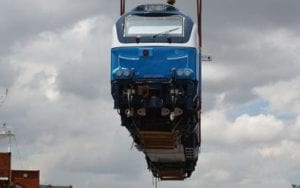
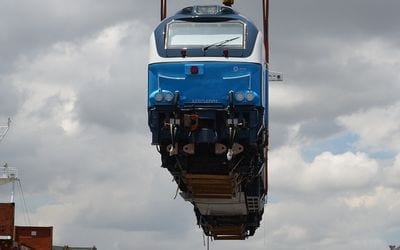

The rail sector, which is operated by the Passenger Rail Agency of South Africa (Prasa), has had 16 of its 92 signalling stations in the Gauteng province upgraded. Prasa said other station upgrades will commence in 2019, and added that these projects are part of a US$274 million investment.
Dall’Omo explained some of the most significant developments of the digitisation. “You have a direct connection, direct communication, between the train and the signalling station,” she said. “There were significant adjustments to be done to the track to accommodate the signalling technology to have that installed. Everything is on fibre optic so you have less vandalism and the communication is through the GPRS network.” With Prasa servicing 2.2 million people every day in South Africa, improving efficiency was a key component of the redevelopment as the wait for a train can be between 20 and 35 minutes during off peak periods. Piet Sebola, strategic asset development group executive at Prasa, told CNN how the state-owned company acknowledged previous concerns about management and copper cable theft to try and fix South Africa’s transport issues. “We have accepted that criticism and we have acknowledged it for many years,” he said. Sebola also added that Prasa was driven by lowering the cost of travel for the lower end of the market that it serves.