The 2025 Budget Speech outlines significant opportunities for South Africa’s private renewable energy sector, such as streamlined public-private partnership (PPP) regulations, expanded infrastructure investment, and greater clarity around grid upgrades.
“However, it also raises important concerns for private developers and investors,” says Roxanna Naidoo, Head of Global Strategy at Latita Africa.Possible delays in implementation
While the speech reaffirms government support for renewables, there is a risk that the newly amended PPP regulations, grid expansions and proposed credit guarantee mechanisms will take longer than anticipated to implement. Although the government officially gazetted simplified PPP rules in February 2025 – with effect from June 2025 – large infrastructure projects in South Africa have historically encountered bottlenecks.“Delays in final approvals, capacity constraints in key departments, and protracted procurement processes may still hinder timely completion of renewable energy projects,” says Naidoo.
VAT increase and project costs
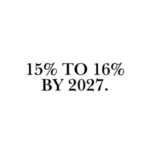 Instead of the originally anticipated two-percentage-point hike, the Budget Speech proposes raising the value-added tax (VAT) rate in two increments of 0.5 percentage points, first in 2025/26 and again in 2026/27, bringing VAT from 15% to 16% by 2027.
Although smaller than many developers feared, this increase still raises overall project costs for renewable producers. The sector remains concerned that higher VAT on equipment and services could tighten margins in competitive bid processes.
“Some cost relief may come from additional zero-rated essential food items, but this does not materially offset capital expenditures in renewable energy projects,” says Naidoo.
Instead of the originally anticipated two-percentage-point hike, the Budget Speech proposes raising the value-added tax (VAT) rate in two increments of 0.5 percentage points, first in 2025/26 and again in 2026/27, bringing VAT from 15% to 16% by 2027.
Although smaller than many developers feared, this increase still raises overall project costs for renewable producers. The sector remains concerned that higher VAT on equipment and services could tighten margins in competitive bid processes.
“Some cost relief may come from additional zero-rated essential food items, but this does not materially offset capital expenditures in renewable energy projects,” says Naidoo.
Uncertain municipal finances
The budget review again highlights long-standing municipal payment issues and rising debt at local government level, some of which directly affect revenue flows to Eskom. “Despite national efforts, including potential municipal debt relief programmes to improve local government finances, strained municipal budgets remain a risk,” says Naidoo. Private projects that require wheeling agreements or distribution connections via municipal networks must carefully evaluate payment security and revenue collection arrangements, especially in areas where municipalities have defaulted on electricity obligations.Long timelines for transmission projects
Plans for an Independent Transmission Project and grid expansion bids are promising, backed by the 2025 budget’s allocation of additional capital – part of the R219.2 billion earmarked for energy infrastructure over the medium term.
Still, constructing large-scale transmission lines entails significant lead times and coordination among multiple stakeholders.
“Until new capacity is fully operational, grid access queues could continue slowing near-term opportunities for independent power producers, making it vital for developers to plan accordingly,” says Naidoo.