Non-compliant water meters risk accuracy, cost, and safety. SALGA and NRCS urge municipalities to enforce legal standards and support local production.
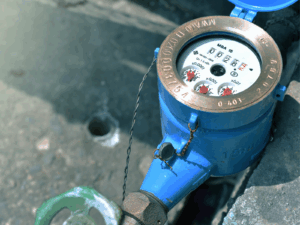
South Africa’s efforts to reduce non-revenue water rely on metering devices, which are regulated to give the desired result. Non-compliant meters threaten accuracy, system compatibility, and longevity.
The South African Local Government Association (SALGA) oversees municipal governments, and one of its key responsibilities is ensuring compliance. Noting that non-compliant meters were making their way onto tenders for municipalities, SALGA sounded the alarm to the National Regulator for Compulsory Specifications (NRCS). To combat the use of non-compliant technology, several educational web seminars were conducted to engage municipal stakeholders on the issue.The current legislation
Water meters fall under the NRCS legal metrology framework and must comply with SANS 1529 for the meter to be compliant. Water meters are used domestically, within trade, as well as in health and environmental applications, making this metering technology crucial to the continued functioning of South Africa.Any deviation from the allowed sizing, weight, system, and functionality could threaten accuracy and cost the user or government in the end.The lists of compliant devices are found on both the NRCS and the Jaswics database.
Localising solutions
SALGA and the NRCS note that the issues with non-compliant meters stem from the illegal importation of meters, which makes repair and integration nearly impossible. These meters slip into the South African network without oversight and pose a risk to the end user, either by not working or by overestimating the amounts.

South African Metering Industry Association logo
Steps forward When SALGA pointed out the problem of illegal meters, NRCS responded to the matter to best lay out a path forward. Incorrect tender requirements: Tenders that ask for incorrect and illegal devices must be dealt with by the ‘legal person responsible’. The municipality placing the tender remains responsible. Approval is usually given by the executive mayor, and it is their job to check for incorrect listings. Heightened compliance awareness: The NRCS notes that since this issue was raised and the multiple seminars, the issue is now sufficiently ‘communicated’ and there is no reason but not understanding that this is a regulated sector. They note that terms of the Legal Metrology Act section 17, read in conjunction with SANS 1529, the user (the municipality) of the water meter is responsible for ensuring that the meters are compliant. This can be done by checking for a Certificate of Compliance that is issued with correctly procured devices. All water meters that are used for trade purposes must be subject to mandatory approval and verification by the NCRS. No municipality that is not designated may undertake repairs or verification of meters; they must obtain designation or use designated bodies to do it. It is also noted that tenders have a designated item that speaks to fulfilling all relevant regulatory and legal compliance, such as national standards compliance, NRCS, municipal procurement rules, and local content requirements. For the NRCS and SAIMA, metering is crucial to the functioning and economy of South Africa, and compliance is a non-negotiable step in this sector.