From government to private sector, the message is clear: South Africa’s future energy mix will include nuclear energy. Nuclear energy is a clean and efficient energy source if managed properly, and part of this management is the correct care of radioactive waste.
South Africa is no stranger to nuclear power; the Koeberg nuclear power station in the Western Cape has been generating electricity for the country since 1984. South Africa’s significant research in the pebble bed modular reactor has been instrumental in the current global interest in small modular reactors.

Riedewaan Bakardien, CEO of NRWDI
The
South African Nuclear Energy Corporation’s (NECSA) SAFARI-1 research reactor is used to create medical and industrial radioisotopes. Recognising the potential for nuclear growth, the South African government gazetted the National Radioactive Waste Disposal Institute Act 53 of 2008. This act created the
National Radioactive Disposal Institute (NRWDI) as a separate entity from radioactive waste producers to manage South Africa’s radioactive waste effectively and safely.
Riedewaan Bakardien, CEO of NRWDI, has spent his entire career in nuclear power.
He explains “NRWDI exists to ensure that radioactive waste is properly disposed of. Before NRWDI, the government identified that managing and producing radioactive waste could come into conflict with each other. We work together with Koeberg and NECSA but stand alone in our mandate. At the base level we collect and manage waste like any other waste management company, it is just that the waste we manage requires higher safety precautions and stricter regulation.”
Radioactive waste in South Africa
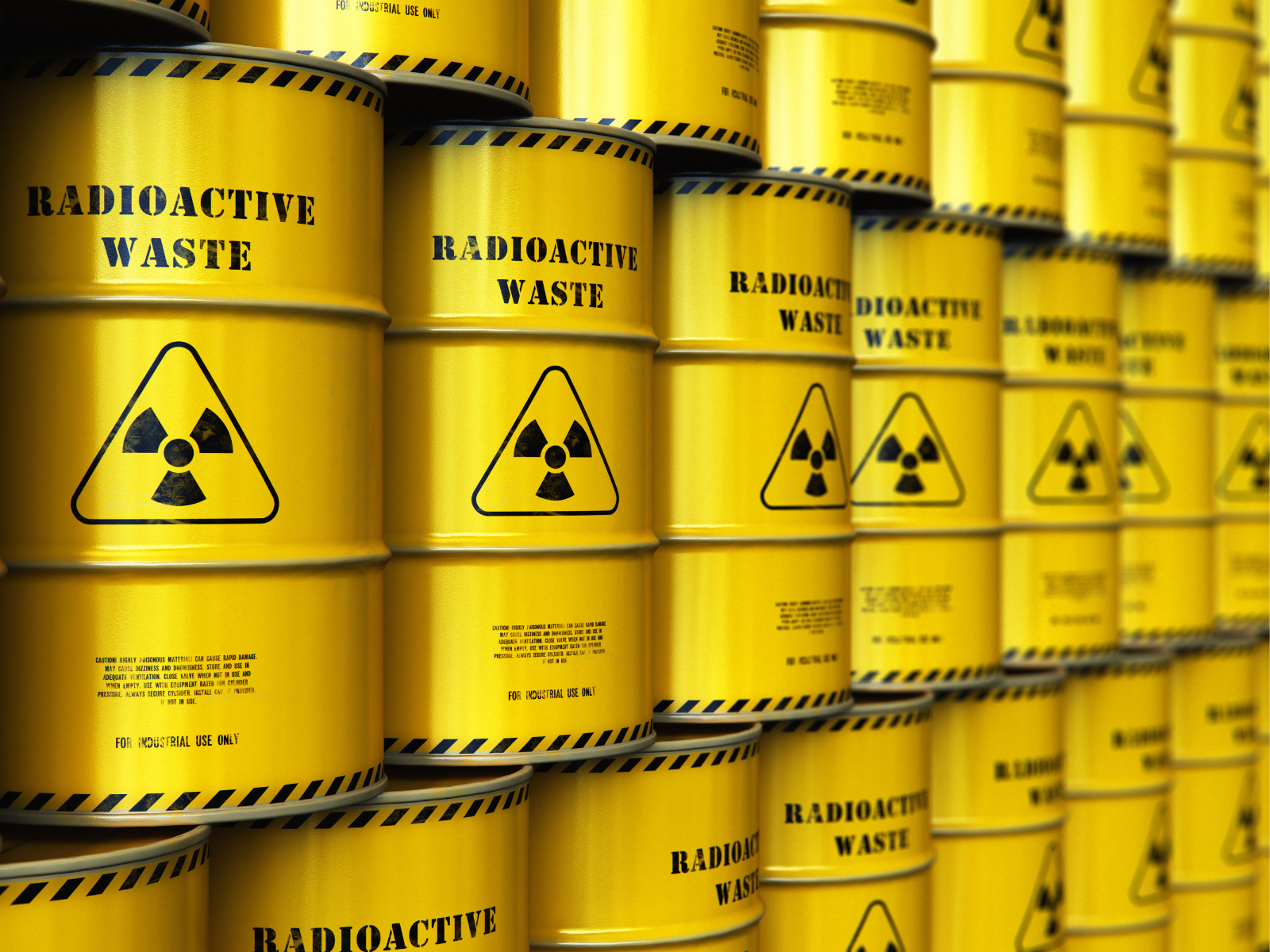
Bakardien identifies three main contributors to radioactive waste in South Africa:
1. NECSA’s SAFARI-1 reactor
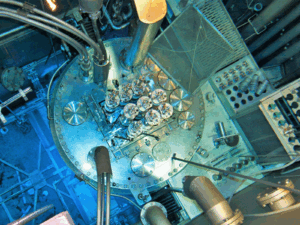
This is a 20MW pool-cooled reactor that is used primarily to generate medical isotopes, specifically Molybdenum-99, which is used in over 40 million medical procedures annually. SAFARI-1 is also used for the neutron transmutation doping of silicon, which is useful for the growing semiconductor market.
2. Koeberg power station
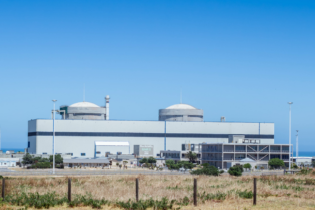
Koeberg is rated at 1,860 MW, its average annual production is 13,668 GWh, and it has two turbine generators, each capable of adding 930 MW to the grid.
3. Byproducts of nuclear processes
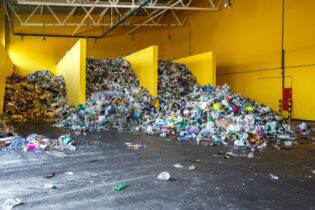
Including from Koeberg and SAFARI-1, that lead to radioactive equipment, materials, and clothes of nuclear workers. This lower-level radioactive items from activities in these facilities, over time become too radioactive for continued use and must therefore be discarded.
Bakardien says, “It is not as scary as it sounds. Radiation is part of everyday life; you could be exposed to more radiation on an international flight than working at a nuclear facility for a year. The equipment and clothing simply get to a point where it meets limits for radioactive disposal, that is why we discard and store it.”
NRWDI identifies four categories of radioactive waste in line with the International Atomic Energy Agency (IAEA) standards:
- No level: This is negligible, equivalent to standard background radiation.
- Low level: This includes clothing of the workers at nuclear facilities.
- Intermediate: This is waste that NRWDI currently receives from NECSA and Koeberg and includes plant components, filters, and chemical resins.
- High level: This is primarily the spent fuel from a nuclear power station
Vaalputs: A Safe Storage Site
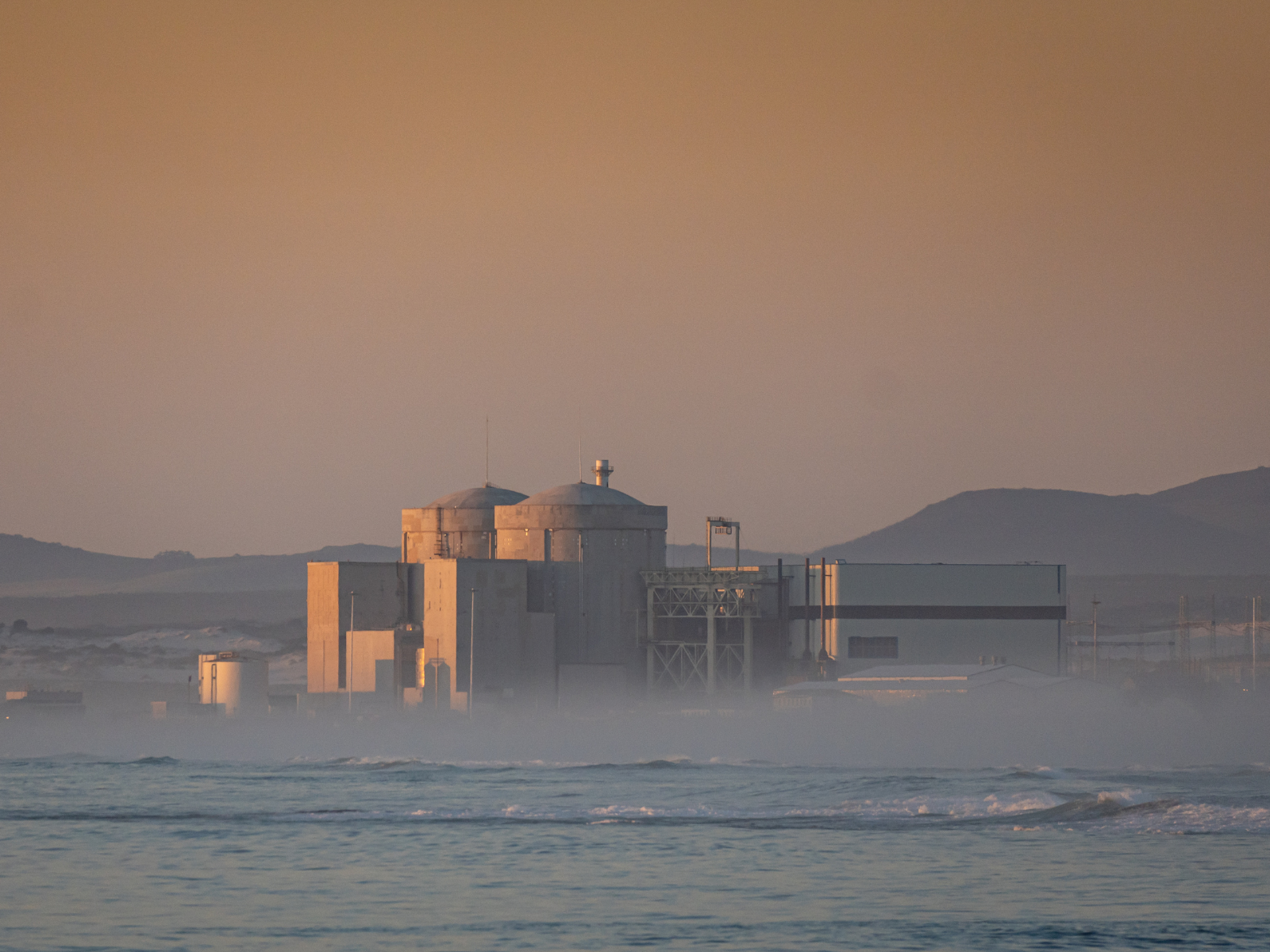
Koeberg Power Station
“Opened in 1986 by NECSA, and soon to be fully managed by NRWDI, Vaalputs is South Africa’s nuclear waste management site. Located 100km from Springbok in the Northern Cape, the area is suitably remote for its purpose. Internationally, people are envious of the location as it is perfectly suited for the job in terms of location and soil makeup. Choosing a site was an arduous task and required a lot of data and impact studies,” says Bakardien.
The low and intermediate level waste is stored on-site by means of 10-metre-deep trenches that are then buried using compacted soil and the natural clay found in the soil at Vaalputs. In terms of volume, the facility spans 10000 hectares, or 16,5 km wide and 6km long.
Bakardien adds, “Over the 40 years of managing low and intermediate radioactive waste, only the area of 2-3 football fields has been used up.”
Because of radioactivity, NRWDI ensures that the containers are packed properly and buried properly.
“We need to ensure no migration of waste to the soil and ensure that there are no leaks. It may look simply, but the container material is correctly stacked, and correct burial is done to secure the waste and ensure it remains exactly where it should,” says Bakardien
The future of radioactive waste in South Africa
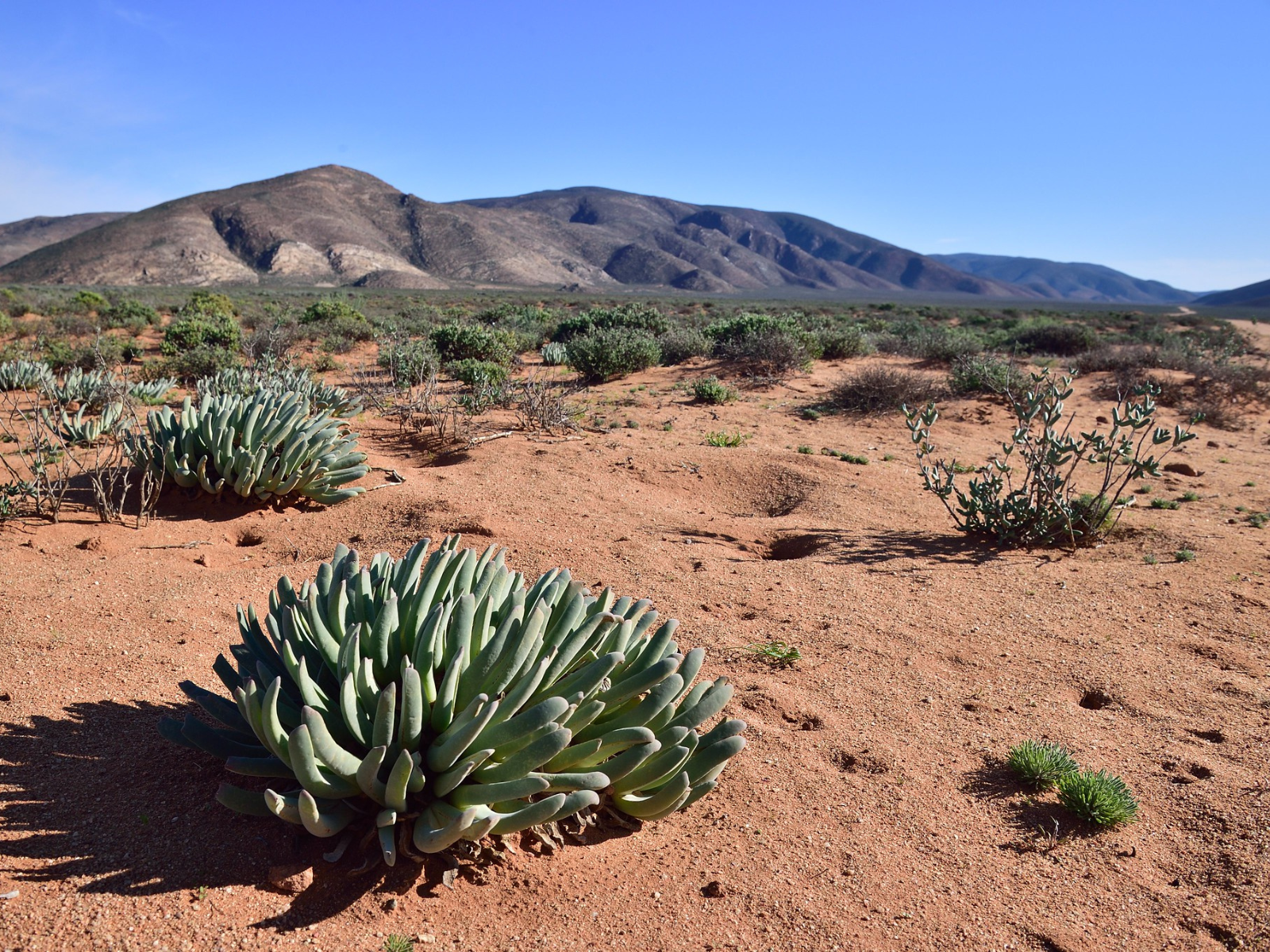
After site rehabilitation, natural fauna grows over the buried trenches
The high-level radioactive waste, specifically spent fuel from Koeberg and Necsa’s SAFARI-1 reactor, is currently being stored at Koeberg and Pelindaba respectively. Bakardien explains, “This Vaalputs site is not licensed for this waste, but going forward this may change.”
For high-level radioactive waste, the storage options become more difficult. Currently, most of the high-level waste in the form of spent nuclear fuel is securely stored at Koeberg Nuclear Power Plant, in spent fuels pools to allow for cooling. In the medium term, this will be moved to a Central Interim Storage Facility (CISF), the site for which is currently being identified.
The NRWDI is in the conceptual stages of developing the Centralised Interim Storage Facility (CISF), which will provide a secure, purpose-built location to house spent fuel before its eventual transfer to a Deep Geological Repository (DGR). The CISFs are designed to safely store radioactive materials for 50 to 100 years, depending on specific needs and conditions.
“South Africa is managing approximately 1,000 tonnes of high-level waste accumulated over four decades of Koeberg operations,” says Bakardien.
“In this business we must think centuries into the future, and our long-term plan is to implement a DGR solution, similar to Finland’s model in the next 50 years.”
Working with the IAEA and fellow nuclear waste institutes around the world, NRWDI is researching deep geological repositories which are engineered systems located over 400 metres underground that can safely contain heat-generating radioactive waste for hundreds of years. These repositories represent global best practice in long-term nuclear waste management.
“South Africa is a global leader in spent fuel management and storage,” Bakardien adds. “We adhere to international standards and work closely with local and global nuclear authorities.”
Additionally, NRWDI plans to move Koeberg’s six 380-tonne steam generators to Vaalputs for long-term storage, in support of Koeberg’s 20-year life extension. This further strengthens the country’s strategy for safe and sustainable radioactive waste management, in support of South Africa’s nuclear industry.
Nuclear safety and misconceptions
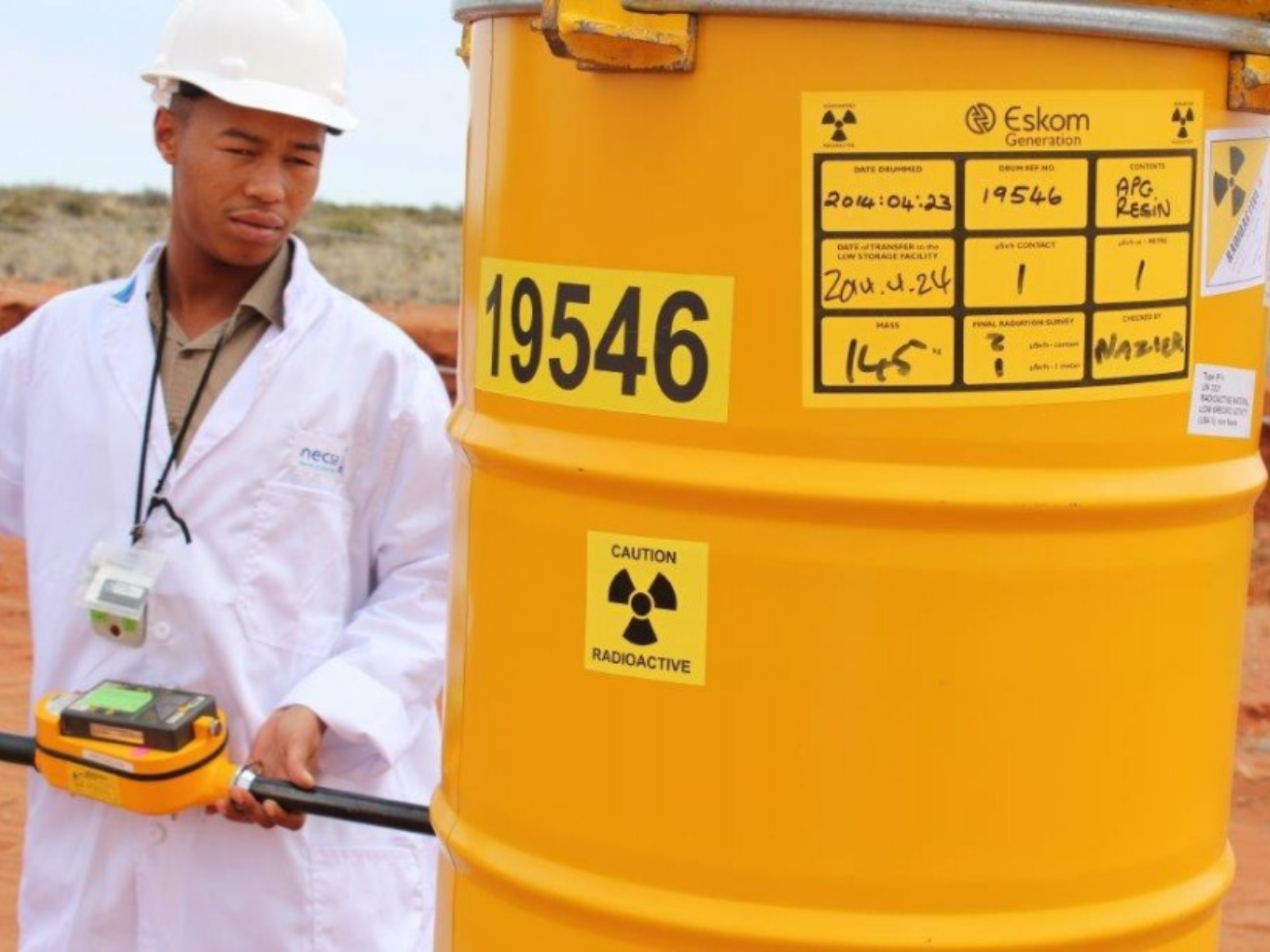
Steel drums being transported for trench burial
Part of NRWDI’s responsibilities is the continual education of communities and industries that work with nuclear waste.
“Vaalputs is, to put it casually, remote. We rely on communities close to the site, and when we get highly trained workers at the facility, we ensure that they understand protocol and safety regulations. While the task of transporting and storing waste sounds simple, radioactivity makes it important to always act within regulations and guidelines. We are constantly ensuring that safety is taught and understood to be the overriding priority,” says Bakardien.
Part of this education engagement is communicating the seriousness of radioactive waste and its effects on people and the environment. Any spillover, migration, or mismanagement could become an environmental disaster for the area. In 1997, it was revealed that some containers had rusted, which led to the National Nuclear Regulator shutting down operations until 2003. In this era of Vaalputs management, Bakardien says, “We are ensuring that operations are always safe and ensure that past events do not recur.”
Nuclear energy is part of South Africa’s future, and the safe and effective storage of radioactive waste must be done to support nuclear energy growth.
Bakardien concludes, “Nuclear is a catalyst not just for energy development, but also technological development and innovation. The public may have worries about radioactive waste, and if I could get one thing across, it is that NRWDI takes radioactivity, and the safety of people and protection of the environment very seriously. There is nothing to worry about if regulations and protocols are followed. Radioactivity is part of life, and part of the future; it is not something to be feared, rather understood.”