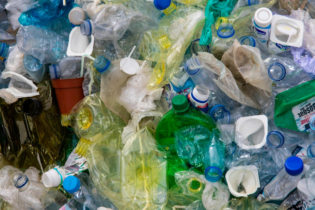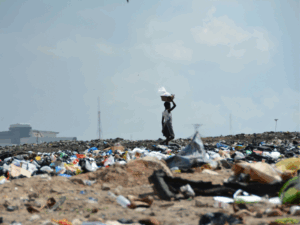
In the heart of Soweto, Nokuthula Tshabalala is proving that recycling is more than just an environmental duty; it’s a pathway to dignified livelihoods, and community upliftment. As the founder of Trash2Treasure, she has built a business that collects, sorts, and diverts recyclable waste from landfills, while educating thousands on the value of reclaiming resources and showcasing the second-life value within them.
Tshabalala, who describes herself as passionate about people, the environment and community upliftment, started Trash2Treasure as a much-needed source of income. Working with schools, businesses, mining companies, and households, the diversion of waste from landfills is solidly aligned to national mandates on waste reduction and initiatives needed to counter the impact on the environment. A key pillar to this includes the need for increased awareness about recycling, as well as initiatives available for the greater public to do their part. The inspiration for her venture came from a personal moment with her son that highlighted the limitations of living from month to month.“I realised I needed to build something that could grow every day, not just reward me at month end,” says Tshabalala.Today, Trash2Treasure employs 12 people in various roles, with additional facilitators and volunteers assisting during campaigns. The business has educated thousands of learners, created jobs for women and youth, and contributed to cleaner, safer communities.
 Behind this growth is the support of the Fibre Circle SMME Development Programme, which provided Tshabalala with practical tools, business exposure, and essential equipment such as trolleys and bulk bags to improve daily operations. “Being recognised and supported by Fibre Circle validated our work and opened doors for partnerships and growth. It’s a programme that truly invests in the sustainability of SMMEs like ours,” she says.
Fibre Circle, the producer responsibility organisation for the paper and packaging sector, launched its SMME Development Programme to equip small businesses in the recycling value chain with the skills, resources and networks to succeed. The initiative is part of its broader commitment to fostering innovation, improving recycling rates, and creating socio-economic opportunities within the circular economy.
“Businesses like Trash2Treasure demonstrate how recycling can protect the environment, create jobs, and drive sustainable change,” says Ashleigh Dlamini, SMME Development Lead at Fibre Circle. “By supporting SMMEs, we are investing not only in the future of the recycling industry but also in the resilience and growth of communities.”Beyond its core operations, Trash2Treasure also runs clean-up campaigns, school workshops, competitions, and initiatives to include underrepresented groups, such as the deaf community. Tshabalala partnered with Fibre School to implement the Zithande Mzansi Programme at the School for the Deaf, an initiative that promotes recycling in schools and teaches learners about the importance of recycling and separating waste at source through language interpreters and theatre productions. So far, the programme has been successfully rolled out to four schools, with each school receiving a rebate for the waste they collect. “This is just the beginning”, she says, ” We’re travelling across the country to educate learners at schools for the deaf about the importance of recycling. This is a collective effort, and no one should be left behind”. By championing opportunities for underserved groups, Tshabalala continues to show that recycling can be a powerful tool for inclusion and empowerment. Tshabalala’s message to other women interested in waste reclaiming is simple: start where you are, with what you have. “Don’t be discouraged by perceptions. Recycling is meaningful, impactful, and its business. The sector needs more women leaders who care about the planet and their communities.”