
As more contractors offer civil-related services to opencast mines, the Bargaining Council for the Civil Engineering Industry (BCCEI) is reminding them that legal registration is mandatory.
As South Africa’s mining and civil engineering sectors continue to navigate economic uncertainty, many companies with loading and hauling capabilities are pivoting to offer their services as contractors to opencast mining operations. While this shift has opened up new opportunities, it also comes with legal and regulatory obligations – most notably, the need to register with the Bargaining Council for the Civil Engineering Industry (BCCEI).
“This load-and-haul work even though being done on mines is not considered mining; it is considered civil engineering work,” explains Brian Ngubane, Senior Designated Agent at the BCCEI.“Any company undertaking this type of work is required by law to register with the BCCEI in order to remain compliant.”
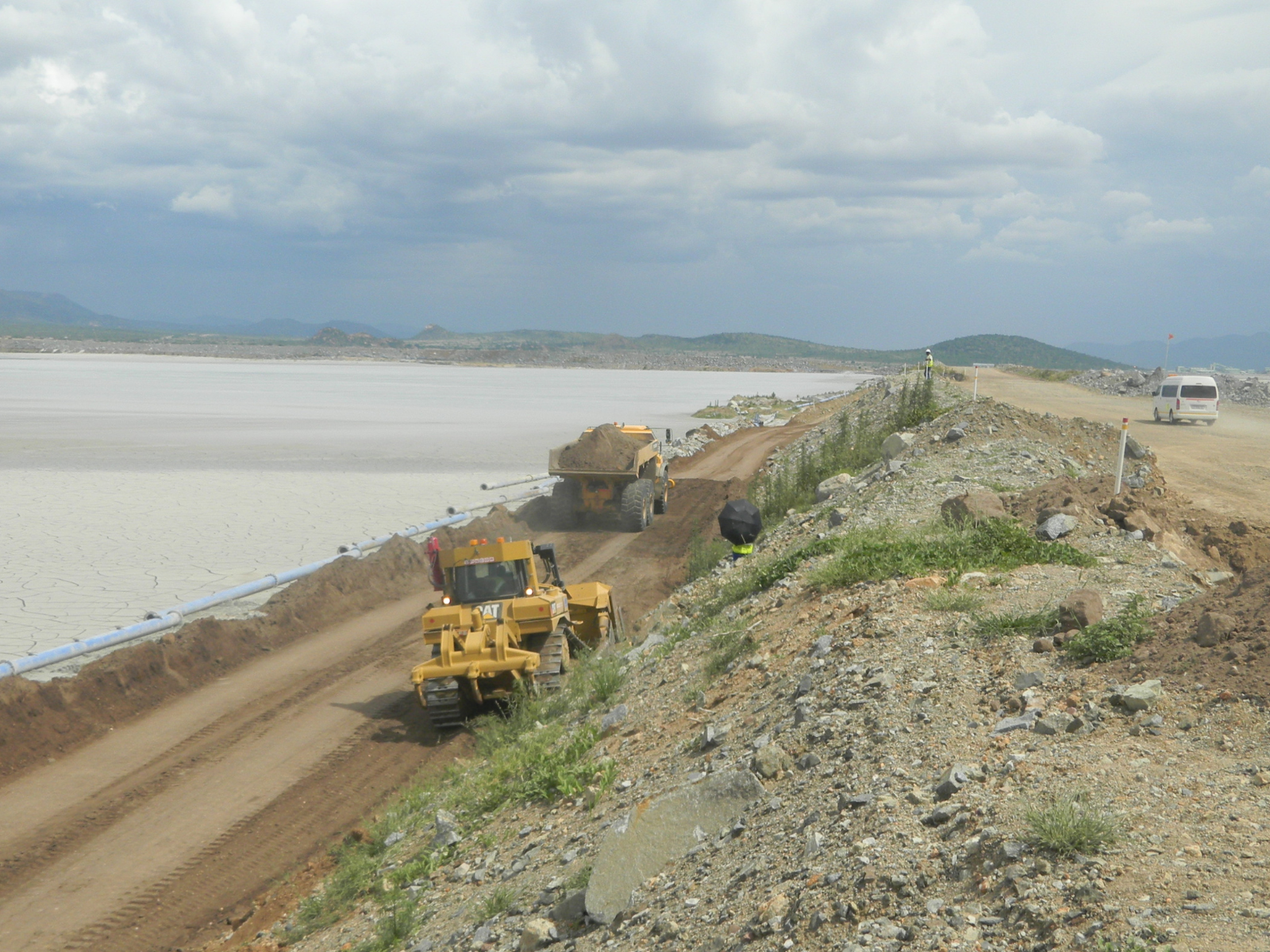
Even when operating on mines, activities like excavation, hauling and dust suppression fall under the BCCEI’s scope and require full compliance.
“Often these companies are hired to move material on behalf of the mine, but they don’t share in the mine’s profits or revenues,” says Ngubane. “That’s when BCCEI registration becomes mandatory.”A key point, he stresses, is that registration is not optional. “If your work falls within the scope of the BCCEI, you are legally required to join. But what many don’t realise is that this registration brings real value – both to the company and to the broader industry sector.”

One of the BCCEI’s core functions is to facilitate collective bargaining on behalf of employers and employees, ensuring sector-wide wage agreements and employment conditions that promote stability and predictability. This is especially helpful for smaller contractors who may not have the capacity to negotiate complex labour agreements independently.
“Through our centralised bargaining process, we help create a level playing field,” says Ngubane. “This ensures that companies who offer fair wages and benefits are not undercut by those who exploit workers to win tenders.” Beyond bargaining, the BCCEI also provides accredited dispute resolution services and supports the implementation of industry-wide agreements. The compliance department, through its designated agents, assists in reducing the risk of labour unrest – vital for both private contractors and the mines they serve.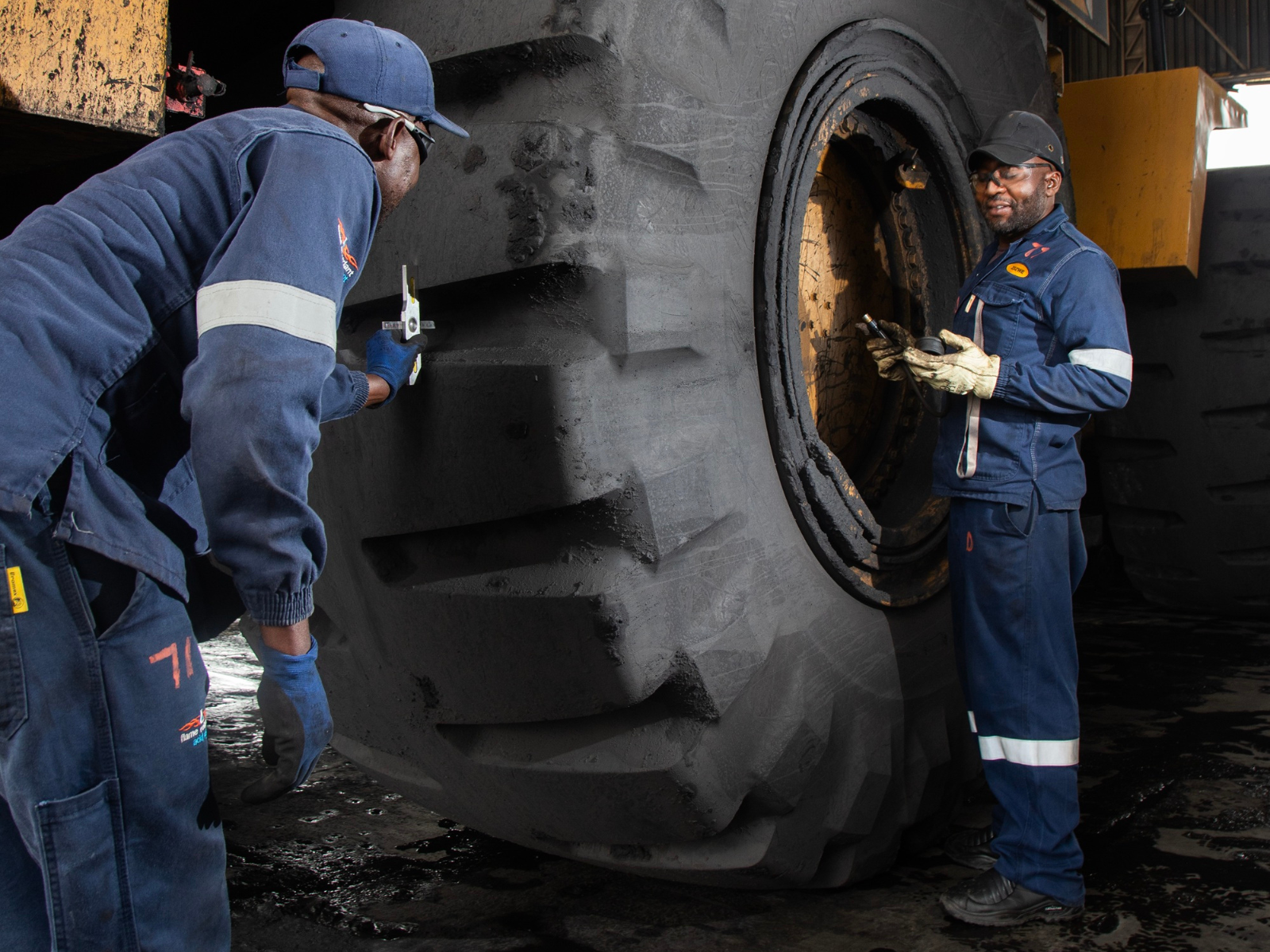
Registration with the BCCEI is not optional – it ensures legal compliance, labour stability and access to sector-wide benefits for contractors.
“Complying with the BCCEI is not just a legal requirement – it is an investment in fair labour practices, operational stability and long-term success,” Ngubane concludes.