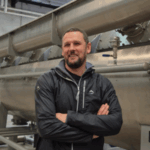
Cobus Kotze, CEO of Nutrisek
The UN estimates that the human population will grow from 8 billion to 10 billion by 2050. This extraordinary figure forces the world to reckon with one of its biggest challenges, namely, how do we ensure food access for these billions of people?
Already, 28%, 2.4 billion people, face moderate to severe food insecurity. In South Africa, 15 million people face food insecurity, yet the country produces 10 million tonnes of food waste every year. There is a general problem with how our food is produced, how this food is distributed, and how this food is wasted.
Humans make up 34% of all mammal biomass on earth, wild animals account for 4%, and livestock and pets make up 62%. For birds, 71% of all bird life on Earth is poultry. The scope of this problem is global; it is not just a case of getting food to people, but ensuring that our food sources are stable and fed.
The waste sector has sought solutions to organic and food waste that aim to add value and introduce this waste back into the economy via circular practices, either through composting or technology like anaerobic digestors. Nowadays there is new technology on the market, Cobus Kotze, CEO of
Nutrisek, a black soldier fly farming company, says, “Turning organic waste into a high value product with black soldier fly (BSF) larvae is a relatively new technology, it’s been around for about 15 years but it offers a unique solution that aims for circularity and addresses food directly.”
Cobus adds that, “If we look at the problem, food waste is a near $1 trillion issue every year, and if food waste were a country, it would be the third highest greenhouse gas emitter.”
The opportunity
Converting waste into both animal feed and fertiliser is a chance to reintegrate some of society’s more wasteful activities back into the economy in a way that matters. This cycle would take waste, process it to become feed for livestock and pets and fertiliser, use this feed and fertiliser to grow more food, both animal and plant, and then any waste produced from here can go back into this system.
“Valorising this waste stream in a very sustainable fashion helps solve many problems. From a municipal angle, this waste is diverted from landfill, from an ecological angle. This waste becomes a sustainable food source for animals, and from an economic angle, the value added creates jobs, and a market for this waste stream,” says Cobus.
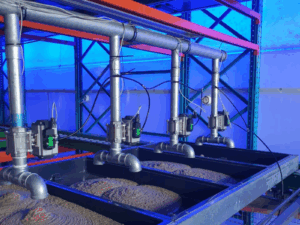
“The process,” Cobus explains, “is relatively simple. Waste is introduced as a supply; BSF larvae are added to this waste, and as they feed, they upgrade the nutrients of the waste into protein, oil, and fertiliser. The bioreactor comprises two steps: the lifecycle of the BSF and the grow-out process of adding eggs to waste.”
The end result of this bioreactor process is three distinct products:
- Insect protein: A high-protein feed that can be used to sustain livestock.
- Oil: The BSF is fatty, and if harvested this high in nutrients, oil can go into pet food and aquafeed. Cobus does say that it could be used for biodiesel, but this is expensive and unlikely.
- Fertiliser: The larvae leave behind frass, a mixture of insect excrement and exoskeletons, that makes for a good natural fertiliser.
Why the fly?
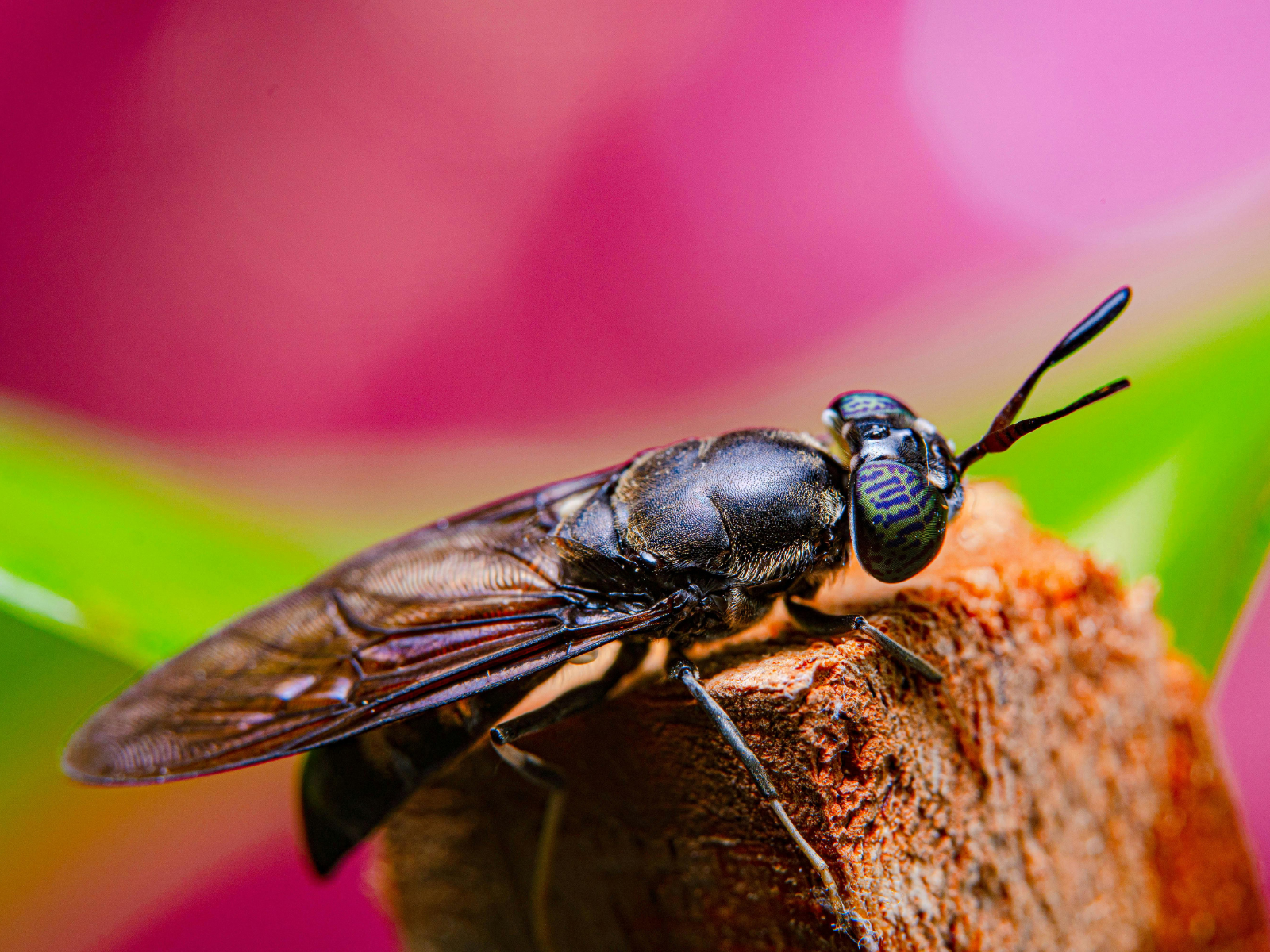
The star of the show is black soldier fly whose larvae might bring food security to the world
The star of the show is the black soldier fly (BSF). A non-invasive species, the BSF larvae break down bacteria and emit an odour that repels other pests, and once they are adults, they do not have mouths, so they do not seek out crops or food waste after the larval stage. The scalability of this process also means that it can be done at various price points and offers a decentralised approach that can meet problems where they are.
Valorising organic waste
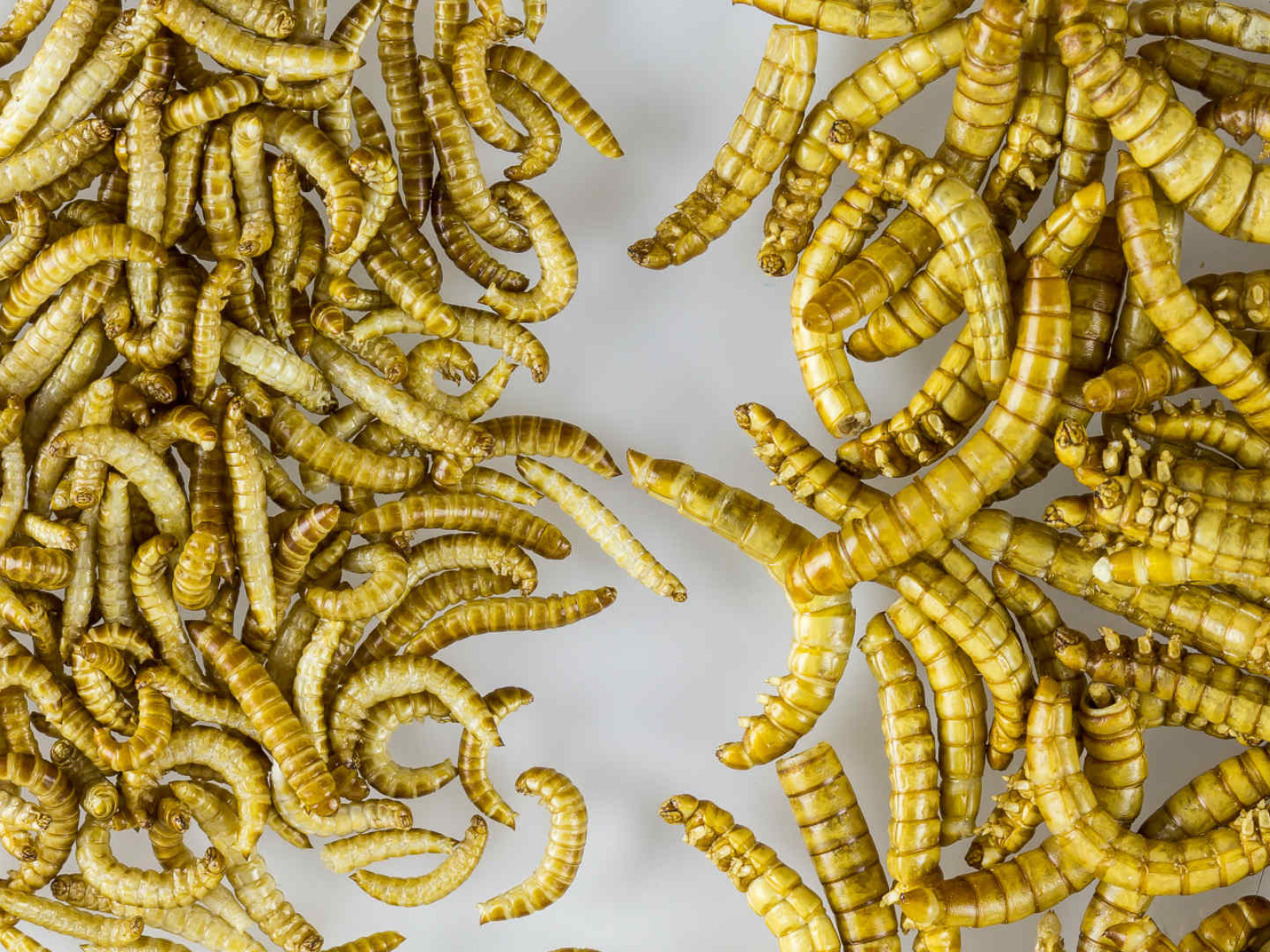
The BSF larvae upgrades the nutritional value of organic waste into valuable products
The value of this technology is attached to how easy it is to obtain and operate, Cobus explains, “Our bioreactor, named Hive 20, is aimed at adding value. When we talk about waste solutions other than landfill, there are capital requirements, and legislation that can make things difficult. So, we decided that if we are serious about this, we will ensure that Nutrisek will have its economic benefits upfront. The size and scalability of Hive 20 means that the process is as cheap as it can be. It is also modular and easy to deploy, so start-up can happen quickly upon receiving the Hive.”
For the future of this technology, he says, “I understand that not everyone wants to become a fly farmer, some of our clients are interested in managing waste, and this just happens to be a way of doing it. We enter long-term service agreements that cover technical support and maintenance, and we offer to buy back the larvae produced from the process. We envision municipalities using this technology, and their mandate is to collect, transport, and manage waste. We do not want to give extra work; we want to give them a solution for this waste stream.”
The environmental impact
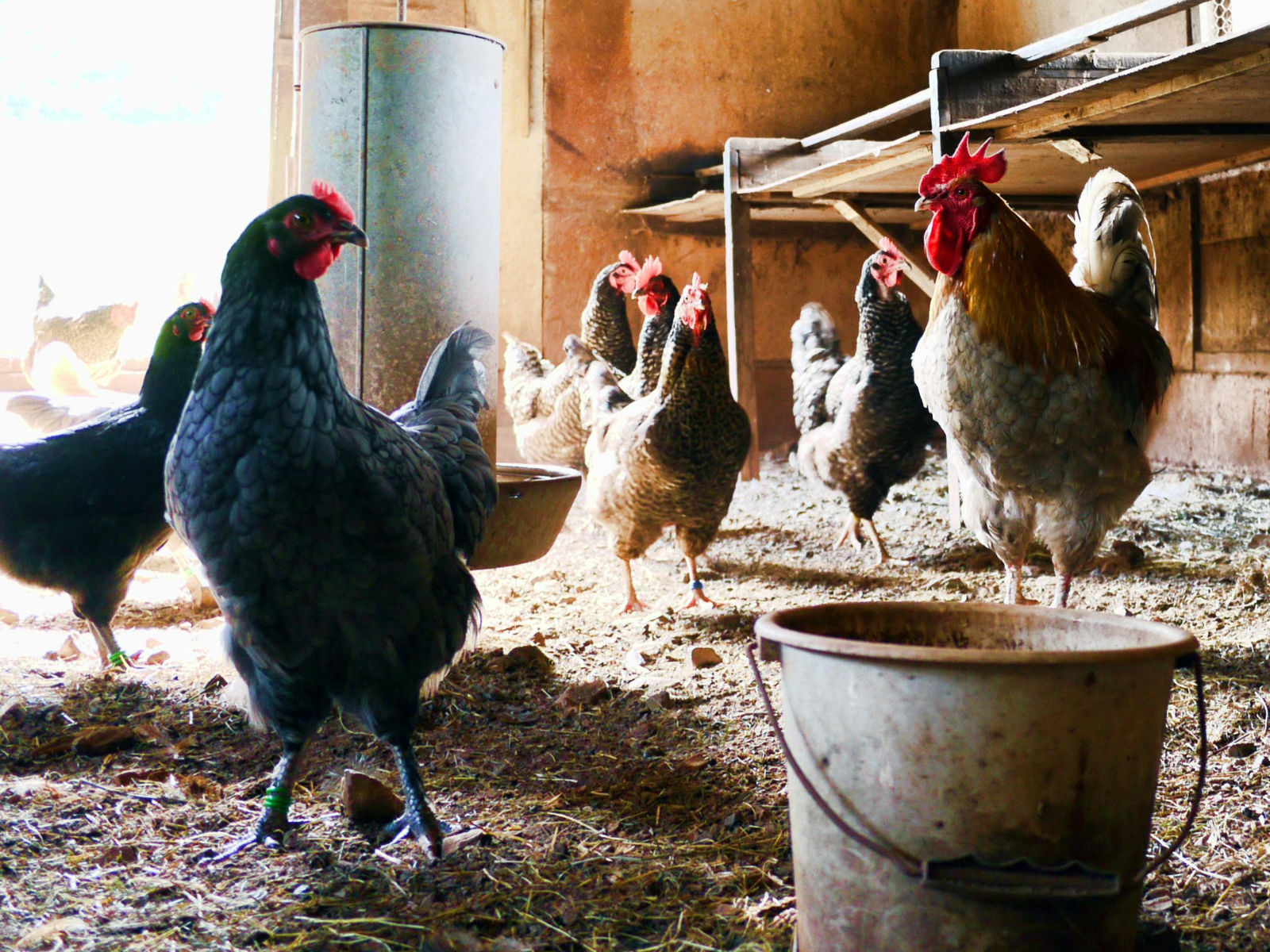
Livestock accounts for 62% of the animal biomass on Earth, and poultry accounts for 71% of all birds. Ensuring that they are fed feeds us in turn.
This process is circular as well as sustainable. Nutrisek’s BSF bioreactor offsets 3000 tonnes of CO2 emissions per reactor annually. This is equivalent to 600 hectares of rainforest offsetting and 200 tonnes of soy production for a fraction of the time, capital, and land space.
“We are currently working with an Australian company that farms BSF, which is the first commercial plant in Australia. We have global reach, but we are focused on home, South Africa, and are in talks with various companies, organizations, and municipalities to get the technology to where it is needed most,” adds Cobus.
Food waste is a massive loss when considering the food insecurity of the world and using this waste to increase resilience and maintain the human population’s food source, such as livestock, is one way of securing food and providing for the future.