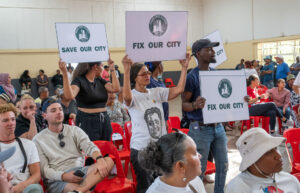
Johannesburg is grappling with multiple crises, from failing infrastructure, crumbling services and eroding trust in governance. While the problems are immense, the residents of Johannesburg are not without hope or action.
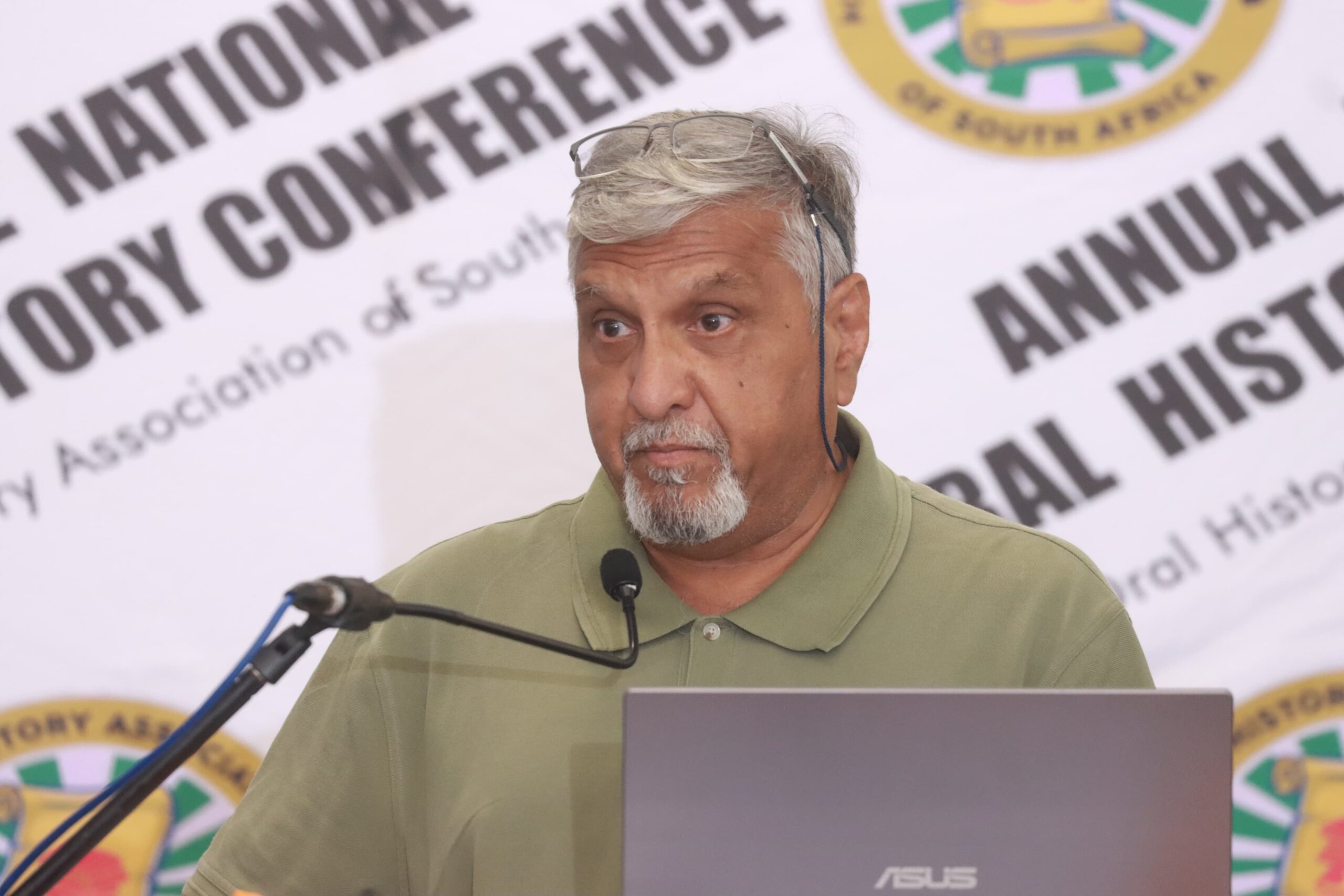
Yunus Chamda, coordinator of the Johannesburg Crisis Alliance
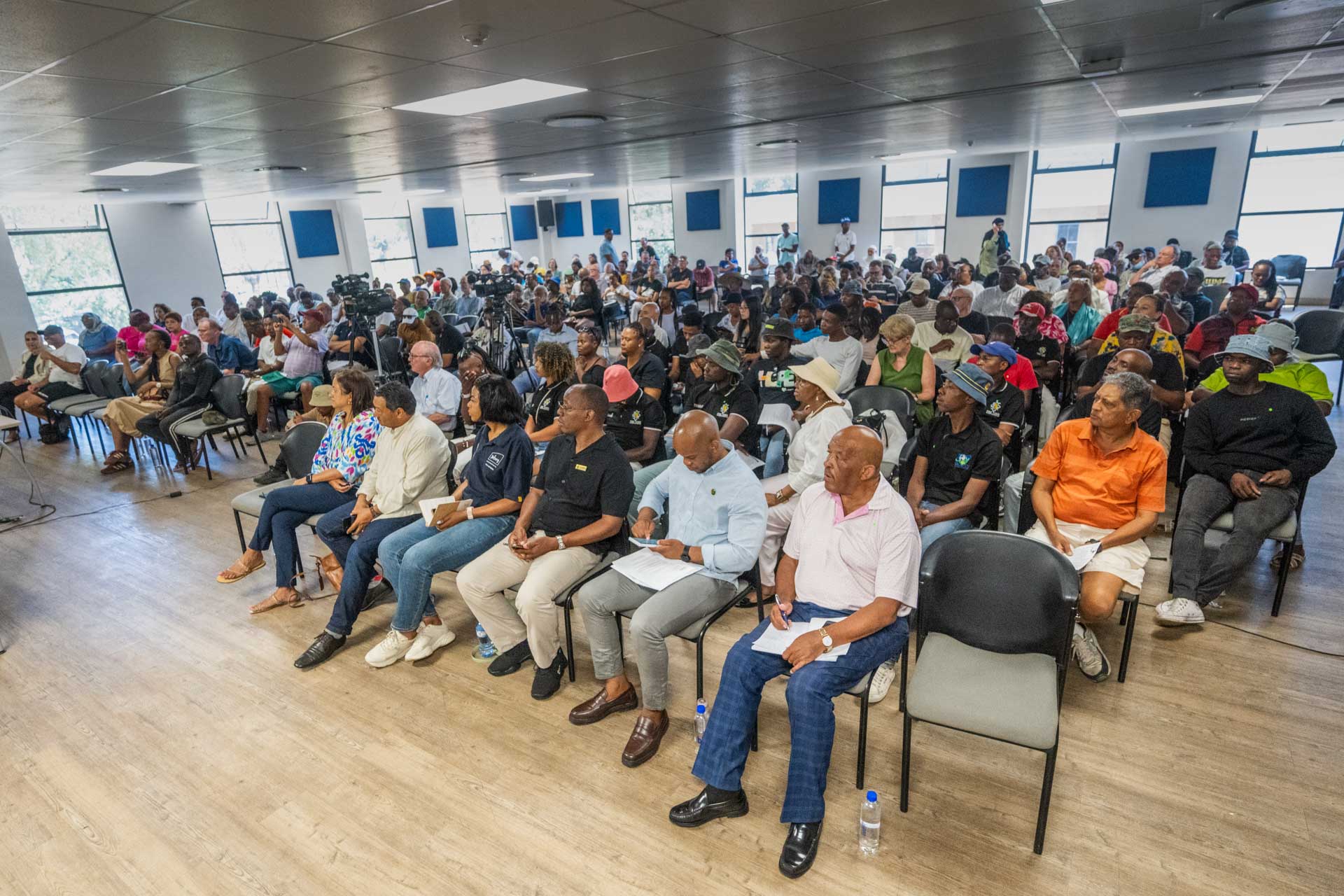
The “summit” is a general meeting where residents voice their concerns and hopes for the city

The movement’s creative touch, inviting Johannesburg authors to donate signed books for the library’s reopening, helped capture the public imagination. “We told writers: donate a book, write your petition inside, and we’ll deliver it when the doors reopen,” says Chamda. “It became a symbol of what the city means to its residents, that the city belongs to those who live in it.”
The optimism of the library campaign contrasts sharply with Johannesburg’s most urgent crisis: water. “Water is life, and sanitation is dignity,” is enshrined in South Africa’s constitution. Yet for Johannesburg, a large city, these services are becoming more problematic. The JCA collaborates closely with WaterCAN, which monitors Johannesburg’s water systems through citizen participation. “We rely on partners who know the technical details, where the pipes leak, how the pump stations work, and where the real blockages are,” he explains. “If WaterCAN knows what’s wrong, there’s no excuse for the city not to.” Chamda blames years of neglect and underinvestment for the escalating shortages. “Johannesburg Water hasn’t been receiving its full budget allocations. Even what’s allocated is inadequate, but the city’s failure to release those funds makes things worse. You can’t fix decades of infrastructure decay overnight.” The JCA now participates in the Presidential Working Group on Johannesburg, where Chamda serves on the water and sanitation subcommittee. “We’re there to ask hard questions,” he says. “But when transparency ends, we exercise our right to protest.” The organisation is planning a major demonstration on 1 November at the Johannesburg Metro Centre, demanding that the mayor address residents directly. “We’ve already sent the city our list of demands,” Chamda says. “We’re not handing over another memorandum to be ignored. We expect answers on the day.” For Chamda, the JCA’s purpose is bigger than protest; it’s about reviving civic participation. “Social media has created a generation of keyboard warriors, but real change happens on the ground,” he insists. “We want active citizens forming neighbourhood groups, hosting clean-ups, organising Civic Saturdays. It’s about reclaiming our city together.” Looking ahead, the JCA is focused on growth and sustainability. “We’ve secured funding until 2027, which gives us time to consolidate,” says Chamda. “If residents want the Joburg Crisis Alliance to evolve into a Joburg Civic Alliance, something more permanent, then that’s their decision. This is their city.” Chamda ends by saying, “Johannesburg has been through a lot. But if there’s one thing I’ve learned, it’s that it’s people who haven’t given up. Civil society is awake, and that’s where real accountability begins.”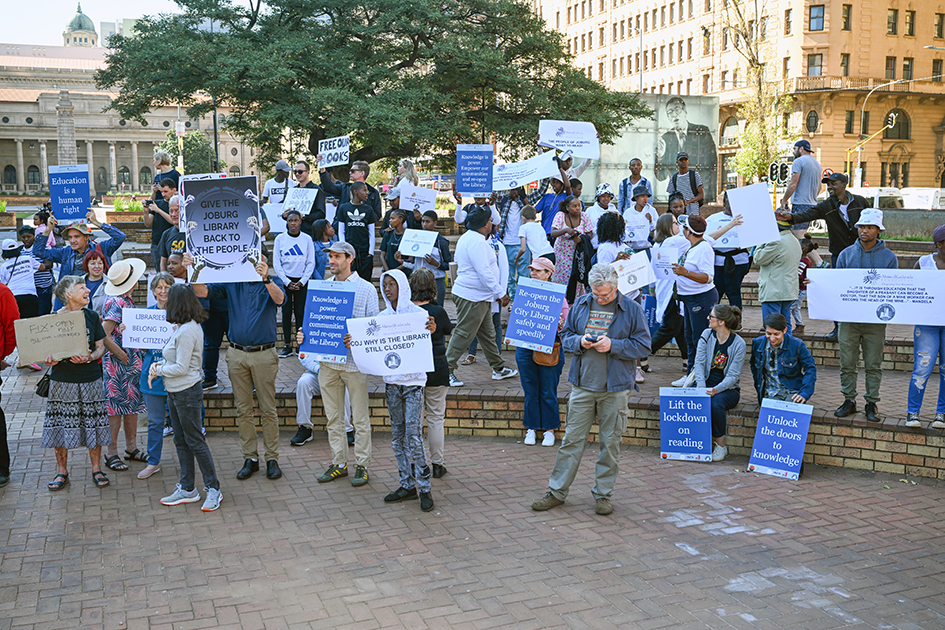
JCA retains the right to protest as a means of exerting their democratic influence on the city of Johannesburg