
Alvin Anderson, country director, Borda South Africa
Barriers to WESS adoptions

Nonhla Tau, specialist: Water and Sanitation at South African Local Government Association (SALGA)
According to Nonhla Tau, specialist: Water and Sanitation at South African Local Government Association (SALGA), a key barrier to innovative sanitation solutions is limited capacity.
“There are ongoing initiatives to train and equip municipalities on sanitation technologies. However, many still lack the ability to develop clear business cases, which makes it difficult to secure funding. Sanitation involves multiple government departments – from Human Settlements and Water and Sanitation, to Cooperative Governance, SALGA and Municipal Infrastructure Support Agency (MISA) Professionals across these institutions must be equipped with technical knowledge, financial modelling skills, and practical planning tools to evaluate, package and implement projects that demonstrate long-term viability to funders.”
Thabo Kabini, senior specialist: water infrastructure, Industrial Development Corporation (IDC)

He also noted that governance failures and weak project packaging make municipalities high-risk partners. If a municipality has a history of corruption or failed delivery, it creates red flags.
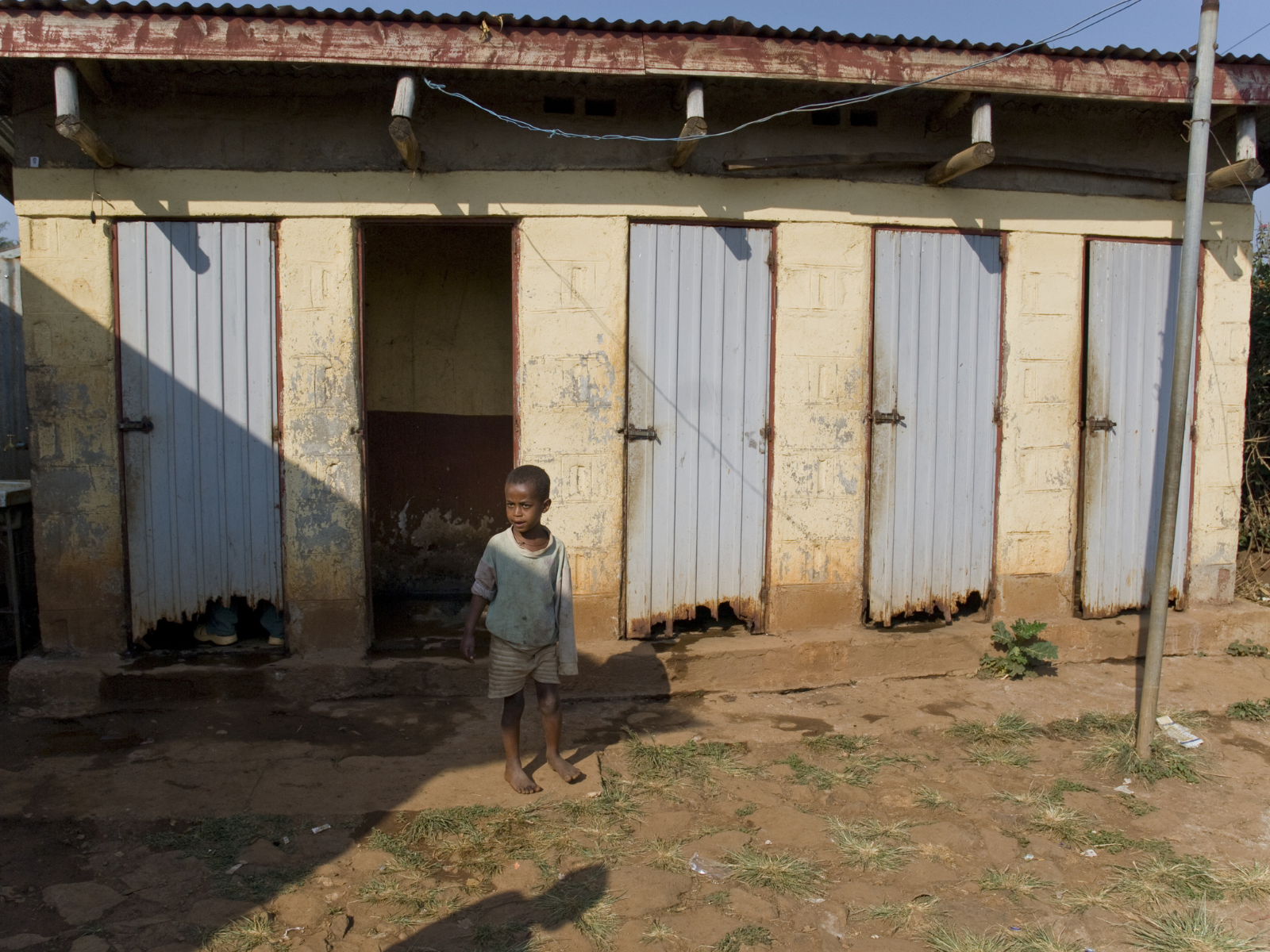
Lungiswa Biyela, utility partnerships senior advisor, WaterAid (UK) adds that there is an absence of dedicated budget lines for innovation in municipalities. “The water and sanitation department will compete, for example, with the roads department for budget, and then there is further competition within the water and sanitation department for budget. Innovation more often than not takes a back seat.” Furthermore, decisions are often made at CFO level, where the priority is balancing rates and electricity revenues rather than trialling sanitation alternatives. Centralised procurement further undermines technical decision-making, resulting in wastewater treatment plants that meet tender specifications but fail to deliver compliant effluent. Speakers urged a paradigm shift: investing not only in infrastructure, but in sustainable sanitation services. “Many sanitation projects are built but never provide a decent service. There is no regulation in South Africa that forces an entity to maintain infrastructure.” Without proper operation and maintenance (O&M), even well-designed plants fail within months. Yet O&M is seldom institutionalised or regulated. Asset management frameworks and stronger accountability for service delivery were identified as essential reforms.The good news
 While innovation and funding may often appear at odds – with financiers demanding proven track records and innovators pushing untested solutions – there are mechanisms available to bridge this gap. The DBSA manages instruments like the Green Fund, provides project preparation facilities, and assists with creating blended finance models that de-risk projects and attract private-sector co-funding. These tools create space for municipalities and innovators to pilot technologies while giving funders confidence in their long-term sustainability. There is also a branch at MISA that supports municipalities in creating bankable projects.
The Water Research Commission (WRC) also plays a vital role in de-risking innovation by funding early research and demonstration projects. However, uptake often only occurs during crises, leaving promising technologies underutilised.
While innovation and funding may often appear at odds – with financiers demanding proven track records and innovators pushing untested solutions – there are mechanisms available to bridge this gap. The DBSA manages instruments like the Green Fund, provides project preparation facilities, and assists with creating blended finance models that de-risk projects and attract private-sector co-funding. These tools create space for municipalities and innovators to pilot technologies while giving funders confidence in their long-term sustainability. There is also a branch at MISA that supports municipalities in creating bankable projects.
The Water Research Commission (WRC) also plays a vital role in de-risking innovation by funding early research and demonstration projects. However, uptake often only occurs during crises, leaving promising technologies underutilised.
Dr Zakhele Khuzwayo, manager: innovation and technology, Johannesburg Water.