South Africa’s cities are running out of space, not only in landfills but in their ability to sustain outdated models of waste management. The traditional “collect and dispose” approach has reached its limits. Financial deficits, deteriorating infrastructure, and poor data integrity threaten to overwhelm municipal waste services across the country.
In eThekwini, like many other cities in the world, has faced challenges in effectively managing waste which ultimately leads to concerns linked to community wellbeing, environmental sustainability, and service reliability. Whilst these issues are interconnected, the city has recognised that these challenges are as complex as they are connected, and there are no quick fixes. This has led to a turnaround strategy that has been developed in alignment with National Treasury’s Metro Trading Services Reform (MTSR) framework, with the goal of transforming the waste business into a performance-driven, financially viable, and environmentally resilient municipal trading service with a single point of management accountability.With over 98% of all collected waste still landfilled, the system remains trapped in a linear paradigm, one that consumes land, energy, and capital with diminishing returns.The question confronting the Waste Management Directorate is no longer whether to change, but how fast transformation can occur. The task is to stabilise a fragile service, recover its financial and operational integrity, and then transform it into a modern, circular, and climate-resilient system. For decades, South Africa’s municipalities have relied on a linear waste management model: collect, transport, dump. This model, while simple to operate, is economically and environmentally obsolete. Within eThekwini, the waste value chain is dominated by collection logistics and landfilling. Collection consumes 53% of total operating costs, followed by transfer and landfilling (26%), and street cleansing (21%). Every additional kilometre travelled by collection trucks, often to distant regional landfills, amplifies costs and emissions. The city’s Operating Cost Coverage Ratio (OCCR) currently stands below the sustainability benchmark of 1.2. This gap reveals deep structural problems: Tariffs that do not reflect the true cost of service, escalating maintenance expenditure, and dependence on cross-subsidies from the general rates account. As landfills near closure and fleets age, the system is increasingly fragile. Temporary fixes such offer short-term relief but accelerate long-term decline.
Landfill security: The tipping point
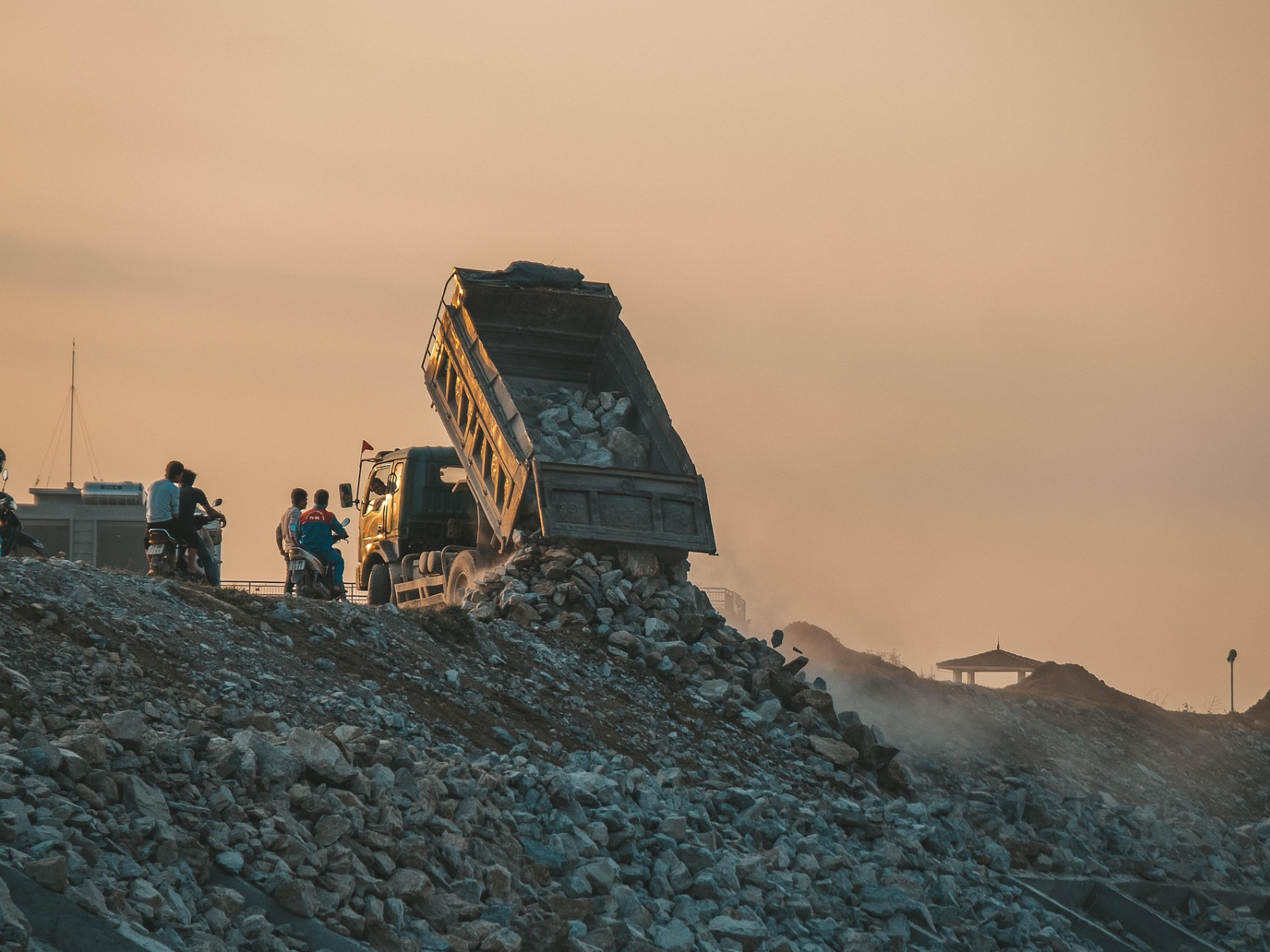
Landfill airspace is close to capacity, how municipalities handle this will determine the landscape of waste management going forward
The circular imperative
The underlying issue is not simply landfill scarcity but the absence of circularity. The linear system treats waste as a liability; a circular model treats it as a resource. eThekwini recognised this nearly two decades ago with the introduction of its Separation at Source (S@S) programme. Residents were encouraged to segregate recyclables, orange bags for paper and plastic, clear bags for bottles and cans, and black bags for organics. While successful in selected suburbs, the programme never achieved universal rollout. A 2025 waste composition study found that approximately 41% of the municipal waste stream is potentially recyclable. Yet almost all of it still ends up in landfill. Integration of the informal recycling sector, which already recovers significant volumes of materials, remains fragmented. Nationally, the Extended Producer Responsibility (EPR) regulations are reshaping the landscape by obligating producers to fund collection and recycling systems. However, without cohesive local implementation, municipalities like eThekwini struggle to leverage EPR funding to build material recovery infrastructure or formal partnerships with recyclers. The circular transition, therefore, requires more than policy alignment; it demands a viable business model. A central theme in eThekwini’s turnaround is to treat solid waste not as a municipal burden but as a trading service capable of generating value through efficiency and innovation. Under the National Treasury’s Metro Trading Services Reform, the CSW unit is implementing a three-phase strategy:Stabilise → Recover → Transform.
Stabilise: Secure the fundamentals, landfill airspace, fleet availability, and compliance. Actions include extending landfill life through lining expansions, refurbishment of transfer stations, and targeted waste diversion projects such as green waste composting and builders’ rubble recycling.

Recover: Rebuild data integrity and institutional capacity. Reliable waste characterisation, cost modelling, and scenario planning are essential to guide investment and measure performance.
Transform: Shift towards a circular waste economy. This entails establishing Material Recovery Facilities (MRFs), promoting Mechanical Biological Treatment (MBT) technologies, and expanding composting infrastructure. The long-term vision is a networked system that diverts a minimum of 25% of waste from landfill within a decade, preserving valuable airspace and creating local jobs.
Approximately 69% of new capital investment is directed to fleet replacement, a prerequisite for stabilising operations, while the remainder targets infrastructure upgrades and circular initiatives.
Financial and institutional realities
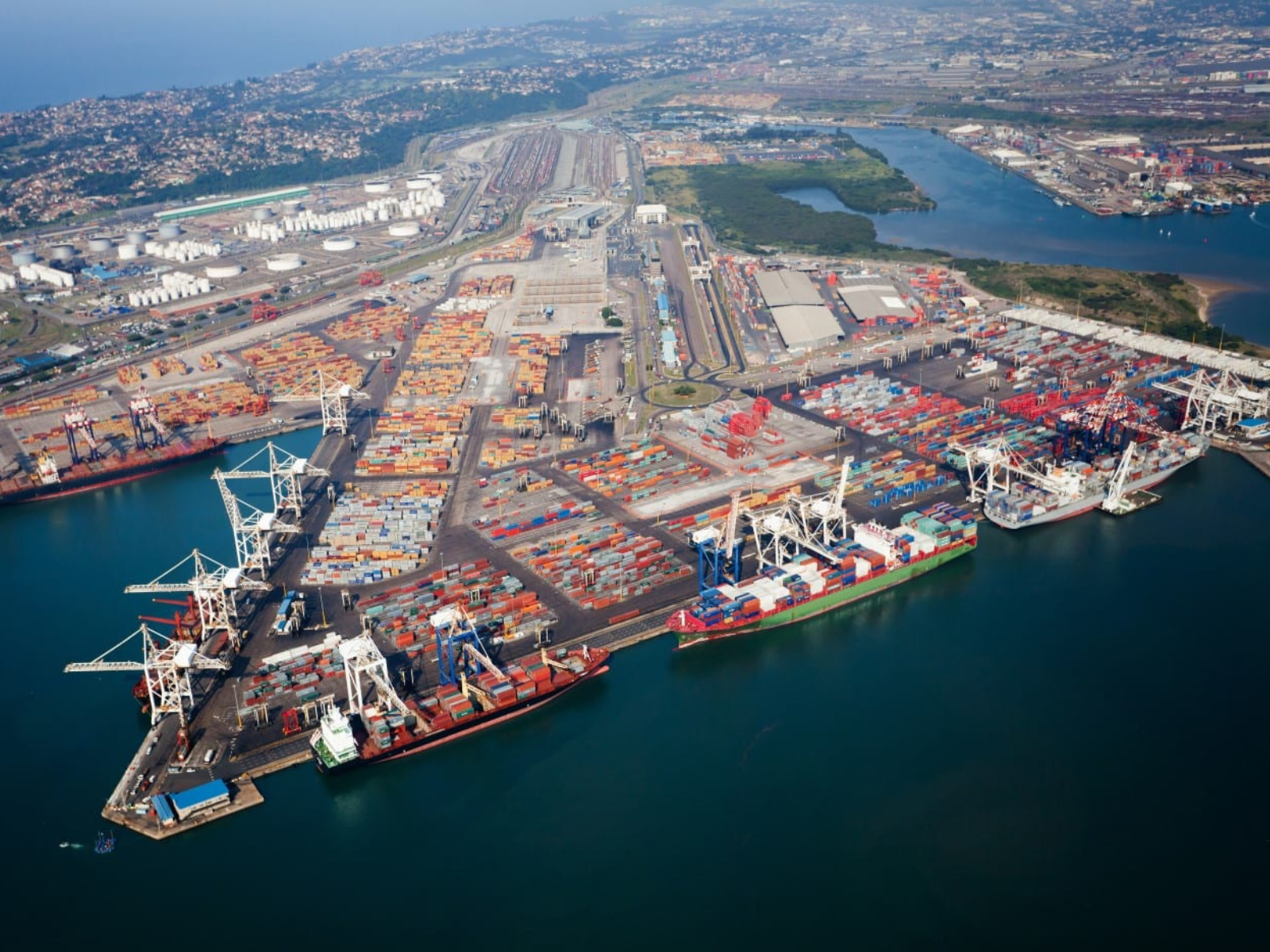
Durban harbour
Despite ambitious plans, the economics remain tight. The Waste Management Directorate competes with other critical urban services, water, electricity, and housing, for limited municipal funding. Rising unemployment and declining household incomes constrain tariff increases, while inflationary pressures drive up costs.
This dilemma is not unique to eThekwini. Across South Africa, municipalities face similar structural deficits. Waste services are rarely self-sustaining, with revenue gaps often filled through unsustainable cross-subsidies. The National Treasury’s 2023 report “Waste Not, Want Not” identified these systemic weaknesses as a key threat to urban fiscal stability.
For cities to escape this trap, waste must be repositioned as an economic enabler. The emerging circular economy presents opportunities for private sector participation, enterprise development, and carbon financing, particularly through waste-to-energy and landfill gas capture projects.
EThekwini’s experience with Africa’s first landfill gas-to-electricity plants, at Bisasar Road and Mariannhill, provides a precedent. Although these projects are reaching the end of their operational lives, they demonstrate how environmental compliance can generate measurable economic returns.
Long-term planning
The city’s landfill capacity model projects 4.4 years of remaining lined airspace as of mid-2024, a narrow buffer that underscores the urgency of reform. Fortunately, through planned lining extensions, eThekwini has effectively “banked” 50 years of future expansion potential, contingent on continued investment and regulatory approval.
In parallel, the city is pursuing short-term mitigation actions:
- Implementing landfill height increases where geotechnically viable.
- Upgrading leachate treatment plants to handle heavier rainfall events linked to climate change.
- Rehabilitating ageing transfer stations to reduce double handling and transport inefficiencies.
- Accelerating small-scale diversion programmes focused on composting and rubble recycling.
- These incremental improvements buy time while the larger circular economy transition gains momentum.
The national mirror
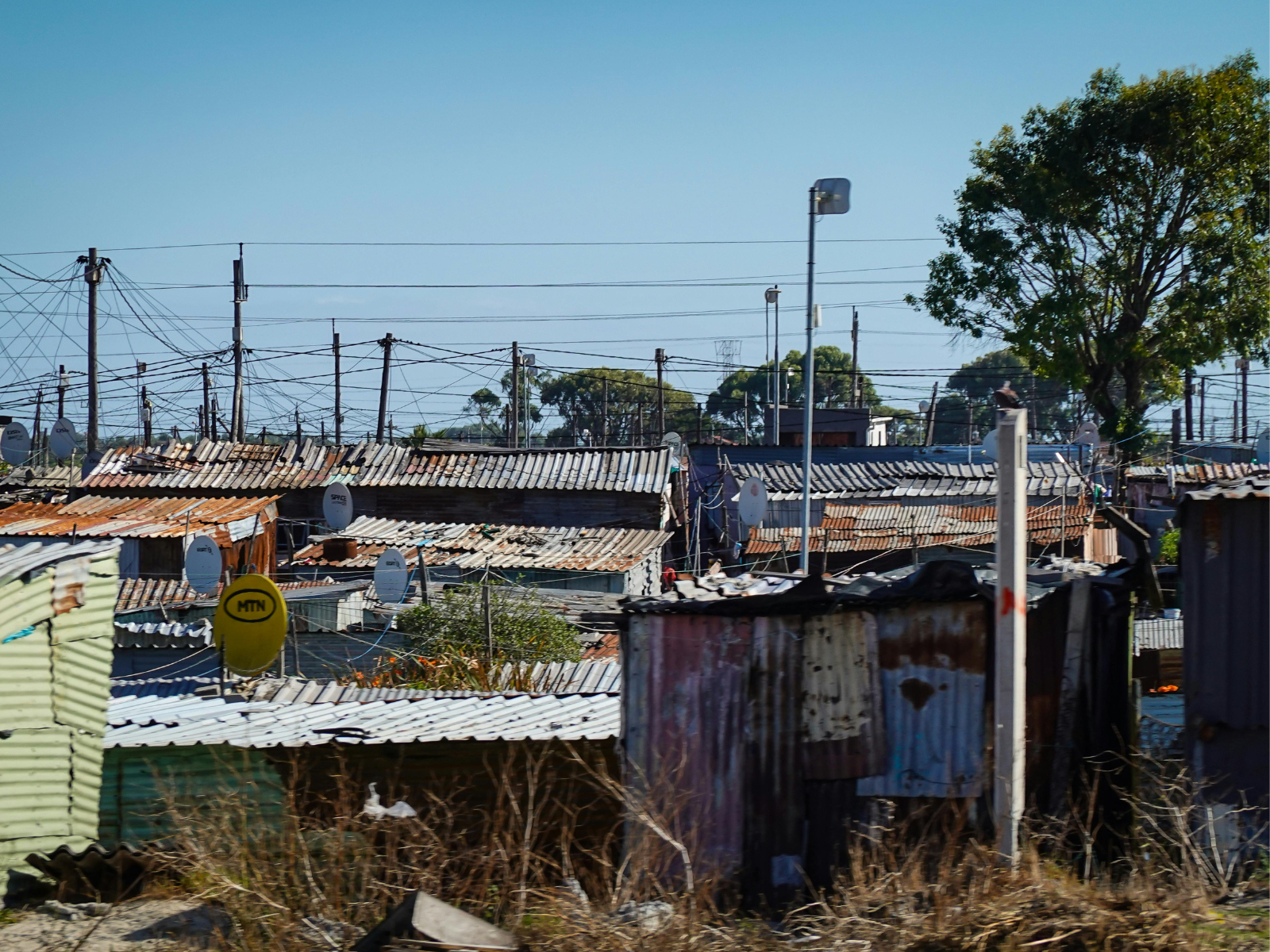
Rising unemployment and declining household incomes alongside historical
poverty and inequality contrast with the need for tariffs

Mnqobi Mkhize, principal engineer at eThekwini Municipality

Logan Moodley, senior engineering manager at eThekwini Municipality

Ryan Papanicolaou, project engineer at eThekwini Municipality