In the past, inventory management was difficult, from inaccurate readings to economically unfeasible instrumentation. For plant operators, logistics companies, suppliers, and manufacturers of reagents, additives, and other chemicals, the industrial application of newer technology like the Internet of Things (IoT) has become vital for inventory management.
Sensor manufacturing company VEGA introduced self-sufficient level sensors to digitise and simplify the measurement of bulk liquids and bulk solids in individual vessels, accurately down to the last drop. By doing so, it became clear that battery-powered radar sensors could easily provide and facilitate integration into IoT projects for manufacturers and logistics service providers. The centralisation and digitisation of processes and infrastructure along the supply chain offer various benefits.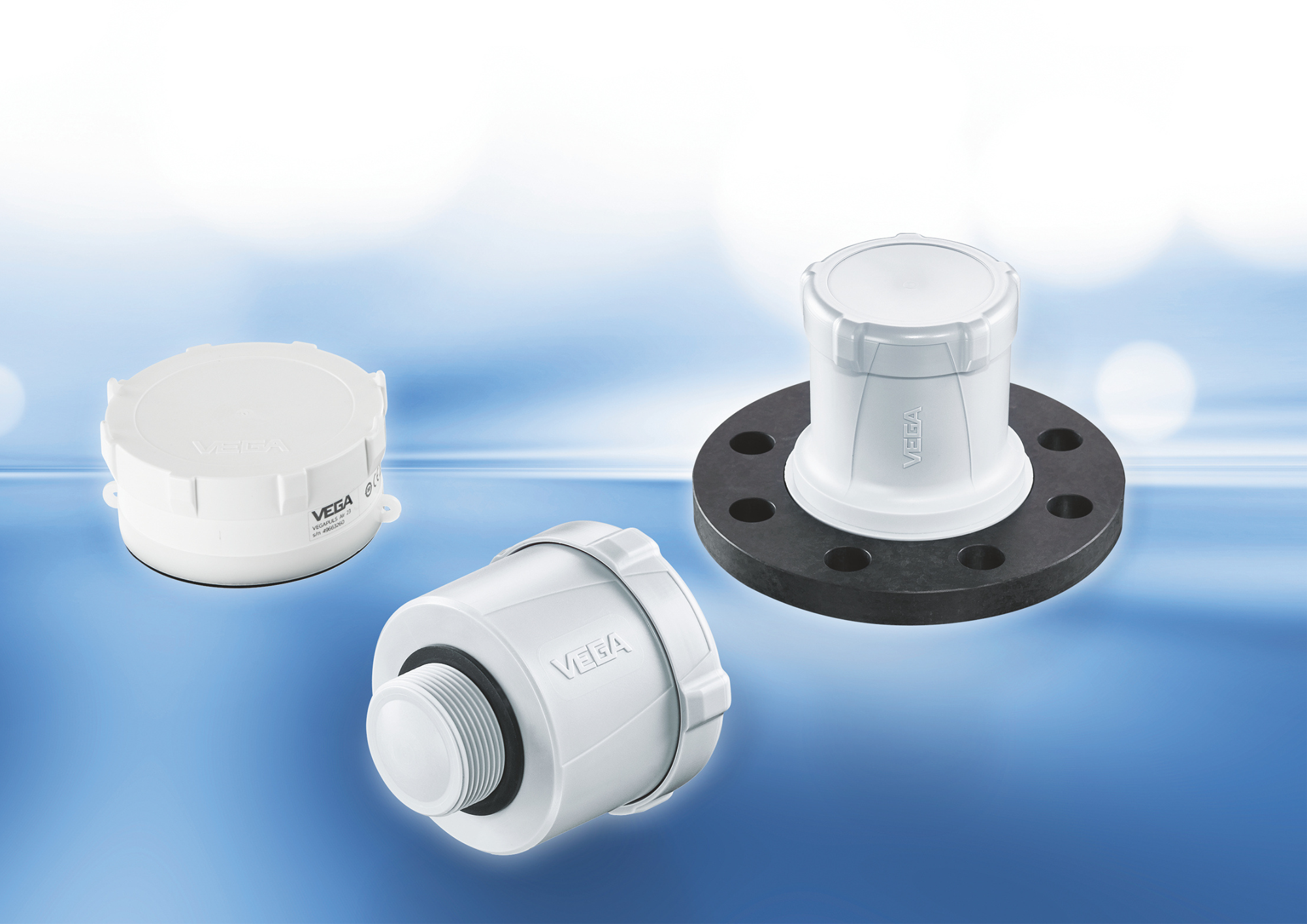
VEGAPULS-Air series

Clemens Hengstler, product manager for Digital Solutions at VEGA, explains, “Large IoT projects often fail due to overly ambitious plans and the attempt to implement everything at once.”To remedy this, Hengstler suggests that a more prudent approach would be to proceed step by step. VEGA offers a scalable solution in which assets are first equipped with VEGAPULS Air sensors that will transmit the measured values to the VEGA Inventory System. The software would then determine optimal order quantities based on the data received and trigger an order in the ERP system. This keeps the implementation effort low and allows for a gradual analysis and adaptation of existing processes to create value through optimisation. Once these processes are functional and tested, they can be integrated into ERP systems such as SAP.
“There is great potential in utilising automation and IoT in processes where fill level plays a critical role. Customers can use fill-level sensors and the VEGA Inventory System to make logistics more efficient and demand-oriented. This leads to greater profitability and helps to reduce the CO2 footprint,” says Hengstler.Most companies experience challenges with inventory management and level measurement in tanks and silos, as they are not equipped with measuring technology because wired installation of sensors would be too expensive. With the VEGA self-sufficient radar sensors and the VEGA Inventory System in place, companies can now optimise processes and save on resources.