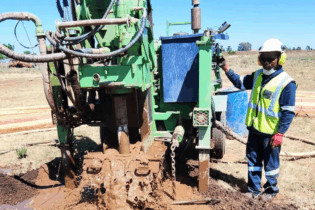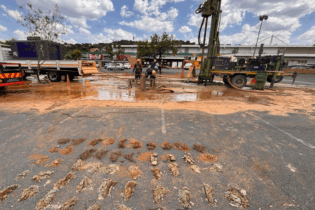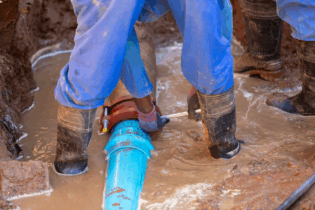
WellsForAll, a Ghanaian-led organization delivering sustainable clean drinking water to underserved rural communities across Africa, today announced a major milestone: The successful completion of 25 mechanized boreholes in 2025, supported by $150,000 in community-governed funding with the use of blockchain technology.
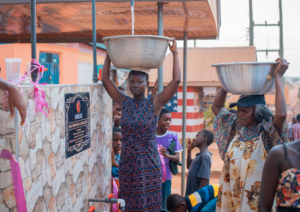
The funding enabled the construction, commissioning, and long-term support of boreholes designed to provide reliable access to clean water for thousands of people, addressing both immediate needs and long-term sustainability challenges in rural communities. Beyond infrastructure delivery, the initiative has already demonstrated measurable social impact. Communities served by WellsForAll recorded a 40 percent reduction in waterborne diseases, while school attendance for girls improved by up to 60 percent, reflecting the profound effect of nearby, safe water access on health, education, and daily life. A defining feature of WellsForAll’s model is its use of blockchain-enabled, community-governed funding through the Hive blockchain’s Decentralized Hive Fund (DHF). Through the DHF, Hive stakeholders collectively propose, vote on, and fund real-world projects, creating an auditable and transparent funding pipeline that ensures capital is aligned with measurable outcomes. Rather than positioning blockchain as a fundraising novelty, WellsForAll uses it as accountability infrastructure, ensuring visibility into how funds are allocated and how impact is delivered on the ground.“These 25 boreholes represent more than numbers – they represent healthier families, children staying in school, and communities with dignity,” said Samuel Owusu-Boadi, founder of WellsForAll.

Samuel Owusu-Boadi, founder of WellsForAll