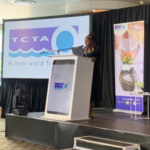
Precious Sibiya, chairperson of the TCTA board
“This is a point where we account to our shareholders, our funders, our partners and the citizens of the country for how we manage the resources placed in our care,” says Sibiya. “No filters, no embellishment, only a clear record of our stewardship.”
Operating in a period of reform
As a water scarce region, South Africa has made water security a top priority, this is echoed through all levels of governance including the President
Mandate and structural constraints
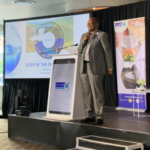
Percy Sechemane, Chief Executive Officer
“The Minister of Water and Sanitation says ‘deliver’, the Minister of Finance says ‘watch the balance sheet’, the board expects performance, and then we still need to go to the market and raise the money,” Sechemane explains.The forthcoming agency model is intended to resolve these constraints by creating a consolidated Schedule 2 entity with its own balance sheet, decision-making authority and long-term planning capability.
Financial discipline and audit outcomes
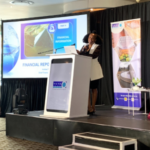
Andisa Zinja, Chief Financial Officer
The cost of constitutional water provision
A recurring theme in the CEO’s presentation was the tension between water’s constitutional status as a basic right and the commercial realities of infrastructure funding.“Water is enshrined in the Constitution, yet people still ask why it costs so much,” says Sechemane. “On one side, lenders look at profitability and repayment. On the other hand, communities expect affordability.”He emphasises that water infrastructure is inherently expensive, particularly in a country where water must be transferred over long distances, often through tunnels, dams and pumping systems. Climate change has further increased uncertainty and variability. “Production is increasingly unpredictable. Yet everyone expects water to flow when they open a tap. That contradiction defines our operating environment.”
Major infrastructure programmes
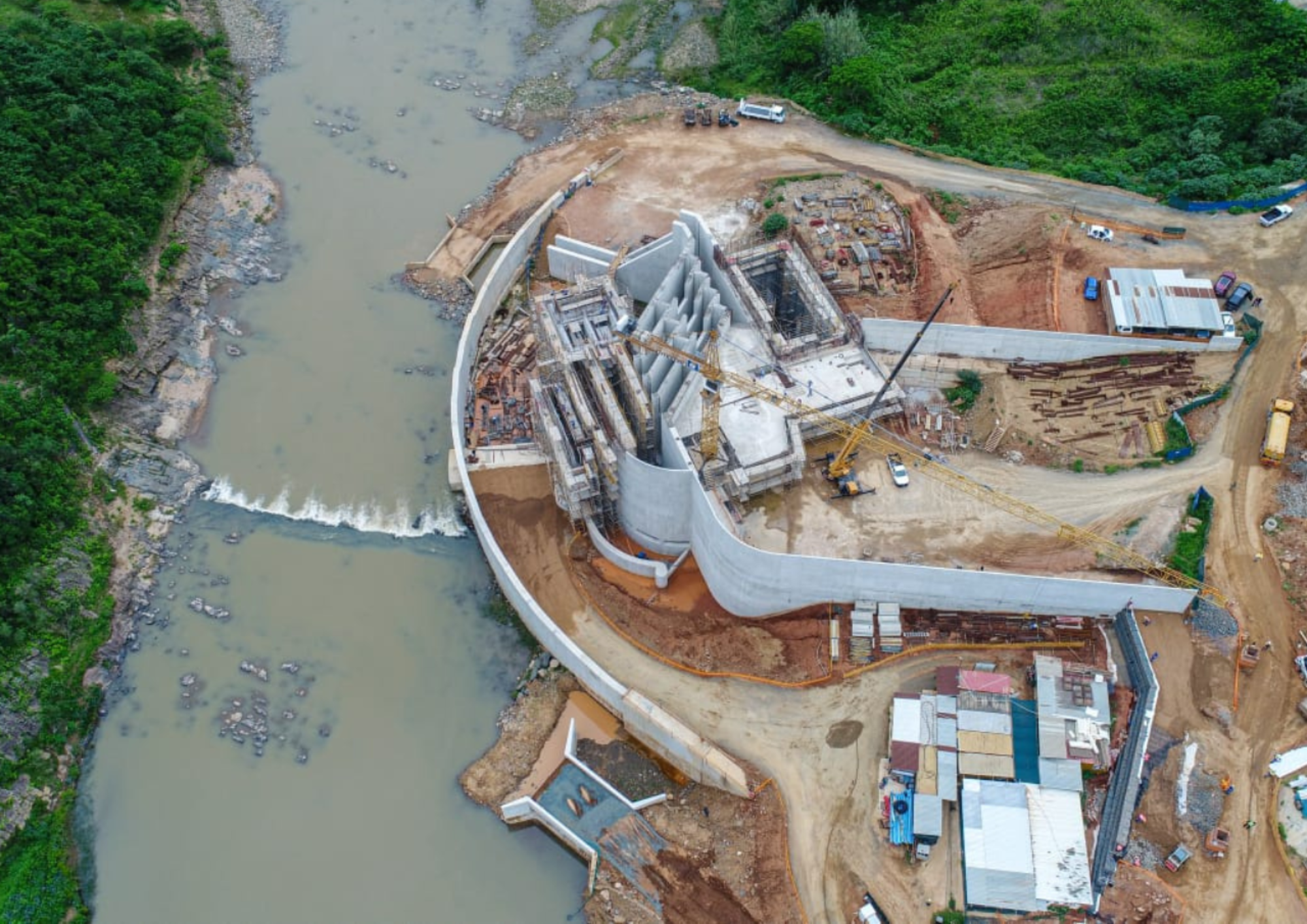
The uMkhomazi Water Project carries an estimated cost of R27.5 billion
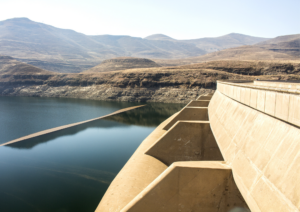
Lesotho Highlands Water Project – Phase 2
The Vaal River System programme remains TCTA’s largest and most strategically important responsibility. Phase 2 of the Lesotho Highlands Water Project will add approximately 480 million cubic metres of water per annum to the system, supplying Gauteng and several other provinces. “This system underpins 46 per cent of the economy and serves around 33 per cent of the population,” Sechemane says. Cost estimates for Phase 2 have increased to approximately R53 billion, reflecting scope expansion, inflation, environmental requirements and the complexity of high-altitude construction. TCTA has fulfilled all its financial obligations to the Lesotho Highlands Development Agency, which implements the project on the Lesotho side. “We raise the funding, but construction happens in another country with a different legal framework,” Sechemane said. “That balance is not simple.”uMkhomazi Water Project
In KwaZulu-Natal, the uMkhomazi Water Project aims to increase system yield from 394 to 608 million cubic metres per annum, supplying approximately six million people and supporting industrial growth. The project carries an estimated cost of R27.5 billion. To mitigate tariff impacts, a blended funding model was secured, comprising 25 per cent grant funding, 25 per cent interest-free loans and the remainder from off-budget borrowing. “To make this project affordable, the state had to come to the party,” Sechemane said.Mokolo-Crocodile Water Augmentation Project Phase 2A
The Waterberg region’s Mokolo-Crocodile project reached financial close in May 2024, with funding secured for a R19.7 billion investment. Construction has commenced following the National Treasury’s exemption allowing procurement to proceed alongside funding processes. The project supports power generation, mining, municipal supply and industrial development.Berg River–Voëlvlei Augmentation Scheme
In the Western Cape, the Berg River-Voëlvlei scheme will improve drought resilience by transferring surplus winter flows to Voëlvlei Dam. Detailed design work is underway, with construction expected from 2027.Operations, maintenance and environmental obligations

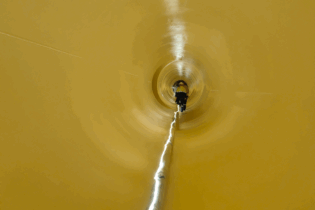
TCTA also manages three acid mine drainage treatment plants in Gauteng
“We knew how critical that intervention was,” Sibiya adds. “There could be no failure.”TCTA also manages three acid mine drainage treatment plants in Gauteng. Treatment volumes ranged between 80 and 90 per cent of target levels, with performance impacted by theft and power supply disruptions. Sechemane points to growing interest in upgrading treated mine water to potable standards as a future water security solution. He says, “We need to rethink whether treating water just to release it back into the system makes sense.” Environmental compliance, including biodiversity offsets, was highlighted as a growing contributor to project timelines and costs. “These are not optional processes,” Sechemane explains. “Until they are completed, projects cannot be closed.”
Advisory role and funding pipeline
Under ministerial directives, TCTA also provides advisory services on projects such as the uMzimvubu and Nwamitwa dam developments, focusing on funding models and commercial viability. Sechemane confirmed that TCTA plans to raise approximately R15 billion from the market in 2025/26 to support ongoing programmes, particularly the uMkhomazi scheme.Sechemane clarifies, “Unless funders are comfortable, the system doesn’t work; their confidence is critical.”
Preparing for the new agency
The transition to the National Water Resources Infrastructure Agency will involve engagements with lenders, staff, labour unions, the National Treasury and the Government of Lesotho. A transaction adviser will oversee organisational design, asset migration and contractual continuity. Reassuring the financial sector, he adds, “We won’t move until funders are satisfied,” Sechemane said. “Your money has to be safe.” Throughout the briefing, TCTA leadership repeatedly returned to the broader national stakes.“We cannot allow water to go the way electricity did,” Sechemane warns. “Water security is now sitting much higher on the state’s agenda and rightly so.”Despite institutional uncertainty, TCTA maintains that it is entering the transition phase from a position of operational stability, financial discipline and delivery credibility.