South Africa’s waste problems can seem overwhelming. While efforts to recycle en masse are being pursued and significant investments in mechanical recycling are being made, simple solutions are still effective and can’t be overlooked.
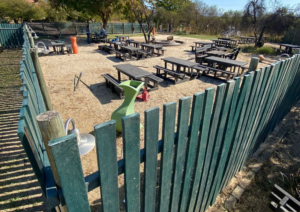
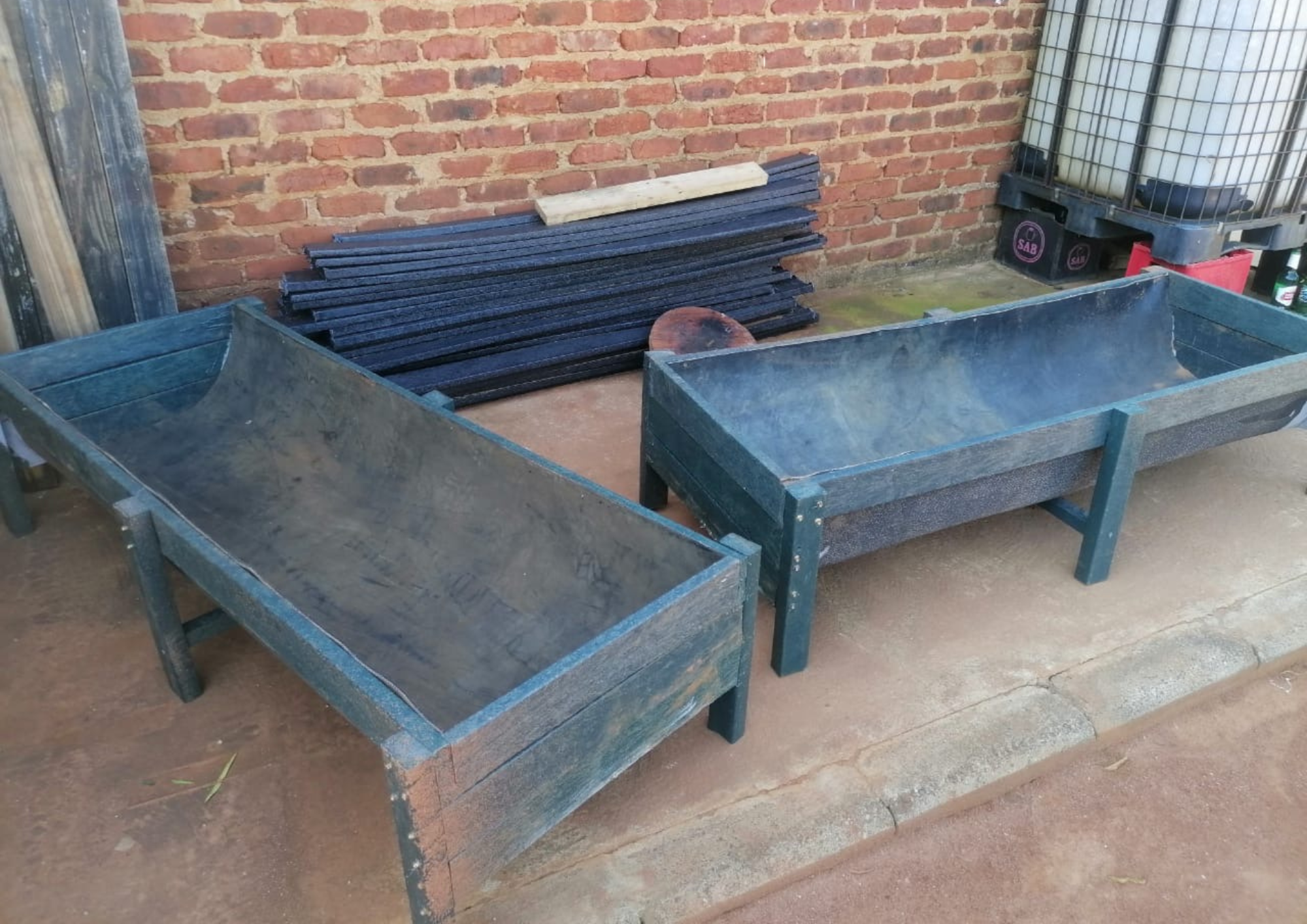
Orefile Mmope, owner of IC Agri-Plastics, says, “Living in Rustenburg, I saw a need. Farmers are looking to save money, and there is also a lot of waste in the area. I thought that if we could offer feeds made with recycled and reclaimed material, I could offer the farmers a product that suits their needs and addresses waste in the community.” IC Agri-Plastics started out making tables from recycled plastic bought from Extrupet. The company then built a boma for a hotel using recycled plastic and then went on to produce troughs for farmers.Reuse
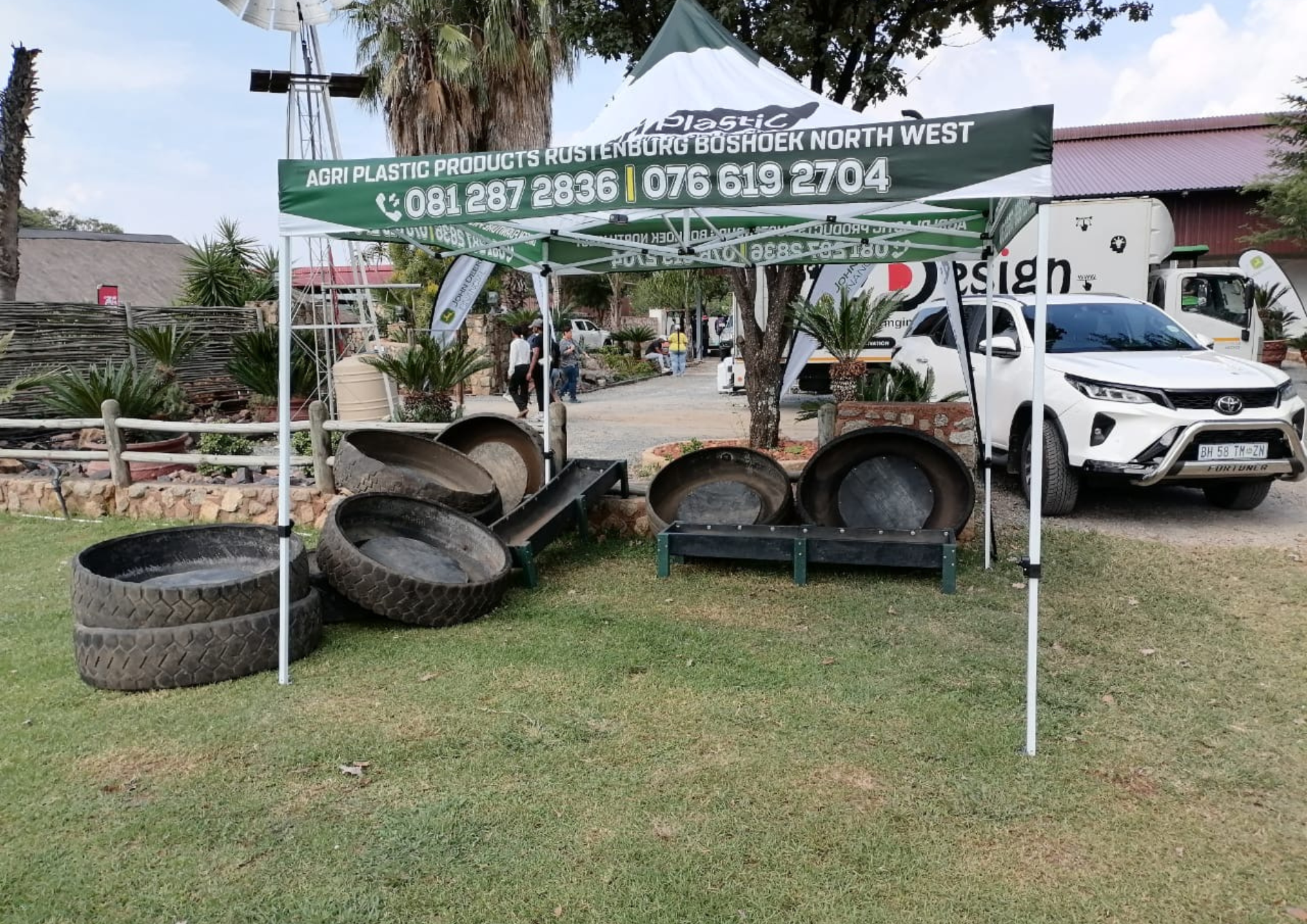 While South Africa is focusing on reducing waste creation, and the recycling industry is growing, focusing on reuse is also a viable alternative to landfilling. “We use old tyres and repurpose them into animal feeders. It’s quite simple, but it’s fit for purpose,” says Mmope.
Along with the tyre feeders, Agri-Plastics also make feeding troughs from recycled plastics. “There are a lot of farmers in the area, and I didn’t want to start something without speaking to them. I met with and heard their concerns and found that a considerable amount of money was going towards products that could be made cheaper, locally, and sustainably,” says Mmope. The troughs that Agri-Plastics are designed to withstand the harsh conditions on a farm, and recycled plastic is more durable than wooden troughs.
Collaboration
 “While we are currently buying recycled plastic from Extrupet, we are working on getting waste from the community in a sustainable manner. We recognised the need to collaborate early on, as there are many nodes along the chain. We work with Letlotlo Waste, a Rustenburg-based company that supplies waste as a raw material. Agri-Plastics and Letlotlo also partner for community focused campaigns such as raising awareness around sustainability and working in schools to educate the youth. Focusing on community and local solutions, Mmope adds, “We want to start buying from local buy-back centres.”
Mmope says that Rustenburg as a community has shaped the business, and working with the community and community-led organisations has earned him trust within this growing sector.
“While we are currently buying recycled plastic from Extrupet, we are working on getting waste from the community in a sustainable manner. We recognised the need to collaborate early on, as there are many nodes along the chain. We work with Letlotlo Waste, a Rustenburg-based company that supplies waste as a raw material. Agri-Plastics and Letlotlo also partner for community focused campaigns such as raising awareness around sustainability and working in schools to educate the youth. Focusing on community and local solutions, Mmope adds, “We want to start buying from local buy-back centres.”
Mmope says that Rustenburg as a community has shaped the business, and working with the community and community-led organisations has earned him trust within this growing sector.
Mmope adds, “We have grown to having three full-time employees, and pay for additional labour where we need it. This has allowed Agri-Plastics to contribute to the local economy and prove that sustainability is a viable option, even outside major cities.”