South Africa’s water crisis worsens as aging infrastructure, ignored warnings, and deferred maintenance leave communities and industries at risk.

Jan Venter, CEO of SAPPMA
Warnings That Went Unheeded
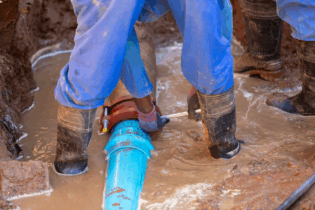
For more than a decade, SAPPMA has consistently raised the alarm about the urgent need to invest in water infrastructure, particularly in pipeline maintenance, replacement and long-term planning. Time and again, these warnings were met with delay, deprioritisation or silence. “Municipalities routinely failed to spend their allocated infrastructure budgets, especially funds earmarked for pipeline upgrades and maintenance. As a result, networks continued to age well beyond their design life, leaks worsened and water losses mounted. Today more than 40 % of the available drinking water is lost in many parts of our country,” Venter says. The consequences of this inaction extend beyond service delivery failures. South Africa’s pipe manufacturing industry has been left fighting for survival. With infrastructure projects stalled or cancelled and capital budgets unspent, demand collapsed. Over the past few years, several manufacturers have been forced to downscale or close their doors entirely, taking skilled jobs, local capacity and institutional knowledge with them.“This hollowing out of local manufacturing capacity is particularly short-sighted at a time when the country desperately needs reliable, locally produced infrastructure solutions,” the industry body states.
No Time for Shortcuts
As government and municipalities scramble to respond to the current crisis, it is critical that urgency does not translate into poor decision-making. Shortcuts, such as using substandard materials, untested suppliers or non-compliant products, will only lock in the next failure. Stresses Venter: “Water infrastructure is not a short-term fix. Pipelines installed today must last for the next 50 to 100 years. They must be designed, specified and installed correctly, using products that comply with South African National Standards and are suited to local conditions”. This is where SAPPMA plays a vital role. As the custodian of quality, compliance and best practice in the plastic pipe industry, SAPPMA ensures that its members manufacture pipes that are fit for purpose, durable and designed for long-term performance. In a country facing increasing climate pressure, population growth and water scarcity, anything less is unacceptable.A Call for Collaboration
SAPPMA expresses the hope that the current crisis should serve as a turning point.“Fixing South Africa’s water infrastructure will not be achieved through blame-shifting or reactive interventions alone. It requires meaningful collaboration between national government, municipalities, engineers, manufacturers and industry bodies,” Venter says.SAPPMA stands ready to work with decision-makers and municipal officials to help assess infrastructure needs, guide appropriate material selection and support sustainable, long-term solutions. Concludes Venter: “The expertise exists. The manufacturing capability exists. What is needed now is political will, accountability and a commitment to spend infrastructure budgets where they matter most. South Africa cannot afford to ignore the warning signs any longer. The cost of inaction is already being paid by residents without water, by communities pushed to protest, and by industries pushed to the brink. The choice is clear: invest wisely now, or face a future of recurring crises that will be far more expensive to fix”. For more information, visit www.sappma.co.za