
Professor Linda Godfrey, principal scientist at the CSIR
Why change is needed
Godfrey says, “The circular economy emerged as a response to the current economic system which takes resources for granted and uses them in an unsustainable manner. The global research is quite clear that the demand for finite natural resources is rising amidst the depletion of said resources. we have seen four main drivers of a circular economy transition, emerge globally: resource scarcity, environmental (climate mitigation, halting biodiversity loss and reducing water stress), economic recovery, and socio-economic development.” According to the International Resource Panel (2019), resource extraction and processing is responsible for 50% of climate impacts, 90% of water stress, and 90% of biodiversity loss due to land use. This is the context that underpins the urgency for the circular economy. If we are to address the big planetary crises facing us, with must rethink our resource use. The continued demand for resources led to the European Commission identifying 14 Critical Raw Materials (CRM) in 2011. These are considered a constraint to European industry and value chains and in 2023 the list was updated to include 34 CRMs. South Africa has also published its list of CRMs in a 2025 document titled, “Critical Minerals and Metals Strategy which also includes mitigation strategies. Godfrey adds, “We are likely to see the first depletion of key resources in our lifetime. The warnings signs are clear.” Growing resource constraints are now affecting manufacturing around the globe., In 2025, we have seen the impact of China’s squeeze on rare earth exports, causing major disruptions across automotive and electronics supply chains, causing businesses to either change their operations or shut down. The threat of climate change is also a major driver of the circular economy. The World Economic Forum suggests that climate change is currently the second biggest threat to the world’s economic system but will become the biggest threat in the coming 10 years. Along with climate change, its various effects such as permanent changes to the earth, biodiversity loss and natural resource loss emerge as greater threats than the current biggest threat, mis, and dis-information.Godfrey says, “What we see happening now is the result of years of adhering to an unsustainable economic practice that sees access to inexpensive material, energy, and labour as infinite and necessary.
A case study for the circular economy
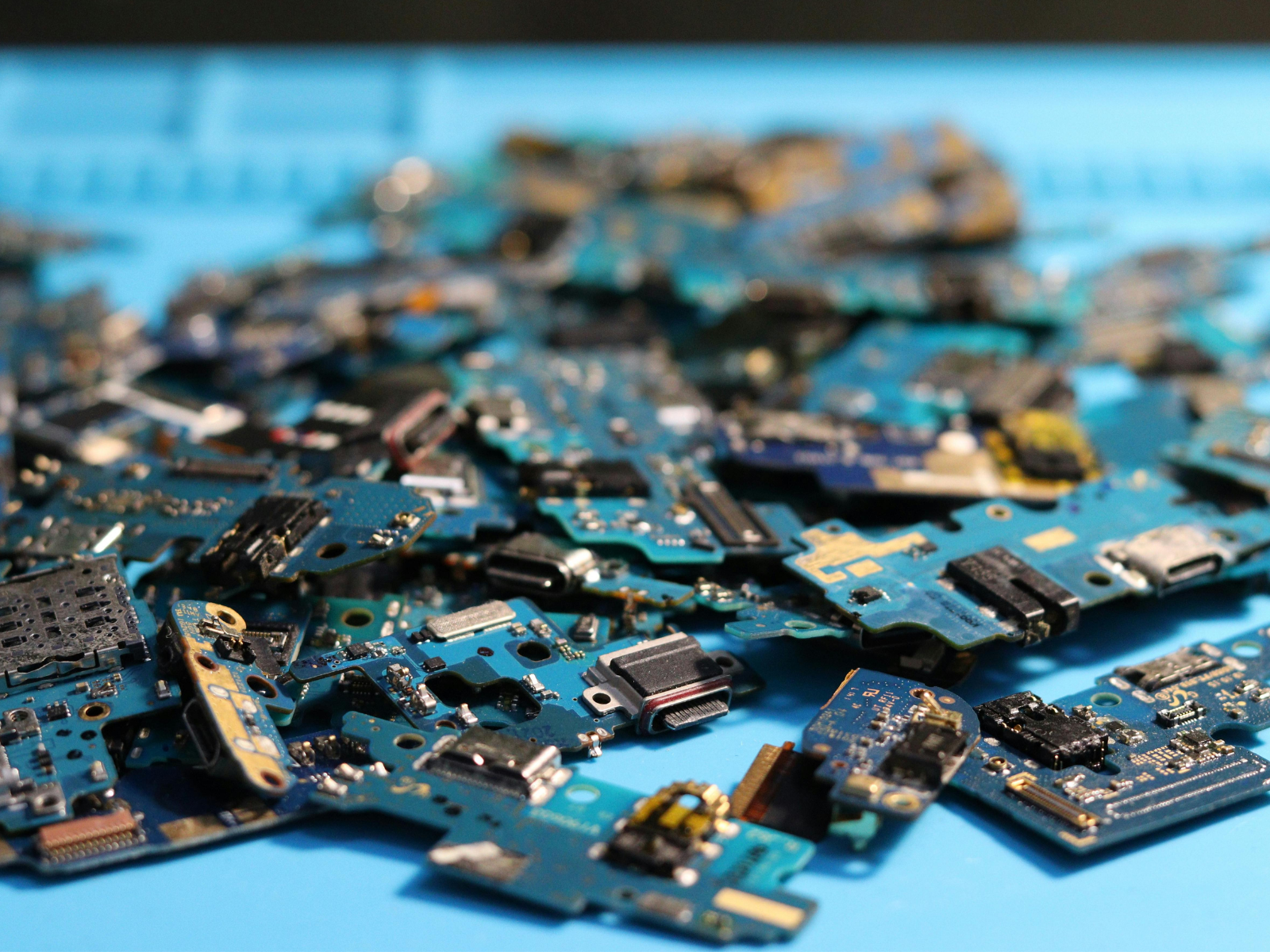 Godfrey points to our current attitudes, both personally and commercially, to consumer electronic products (CEPs) as an example of the problems associated with the linear economy and a path towards circularity,
“The current approach to CEPs follows a highly linear process, where devices are typically used once and then discarded. Only a modest fraction of end-of-use products are collected for recycling, and an even smaller portion of materials, mainly high-value metals, is recovered. This system is further strained by accelerating demand for new products, driven by shorter product lifecycles, rapid technological change, and limited repair options. As a result, many CEPs are replaced long before they become technologically obsolete, despite still retaining significant functional value at the end of their first use.”
In opposition to the “throw away” system, the circular economy emphasises Value Retention Processes (VRPs) which preserve value, prolong use, and delay disposal. Godfrey notes, “interestingly, value retention of products in the global south is more frequently observed, typically driven by higher levels of poverty and unemployment, and a more active informal sector. The informal economy practices a consumer-to-consumer model that repairs and directly reuses CEPs. “This reuse and repair of products such as laptops, smartphones, and televisions offer a significant opportunity for growth,” adds Godfrey. The current reuse model found in the informal economy has its own issues particularly that it does not provide the greatest socio-economic, environmental benefit, or product performance. Godfrey highlights a study done by the Waste and Society SARChI Chair hosted by the University of Western Cape waste and society. This study interviewed 832 repairers and refurbishes in 11 cities and towns, in all 8 provinces and found:- 74% of VRPs occurred within the informal sector, and 26% in the formal sector
- 65% of those interviewed dismantled products
- 99% repaired products
- 45% said they refurbished the products.
Extended producer responsibility
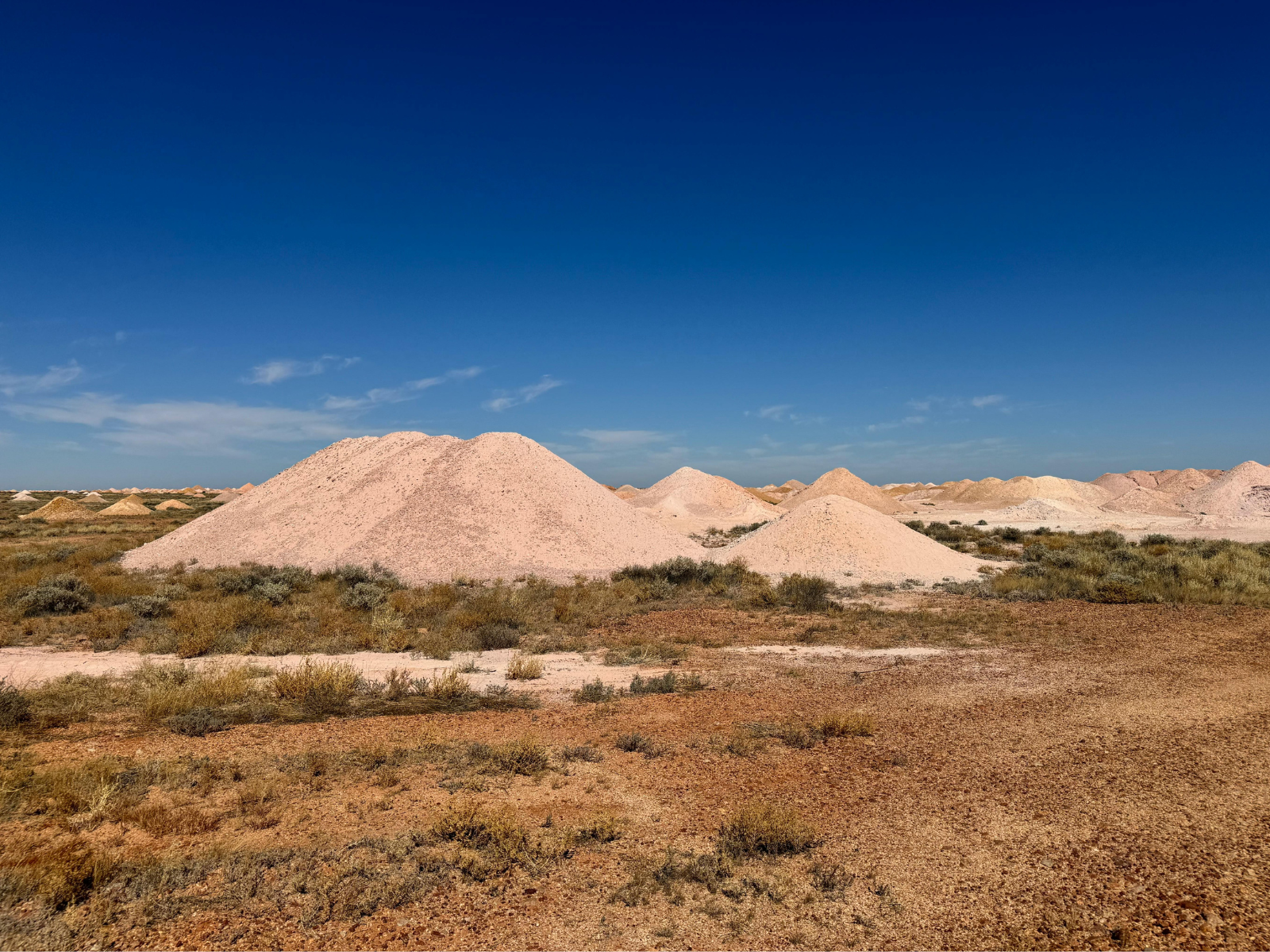
The coming years will see resource depletion if no action is takrn, which necessitates new approaches to the economy