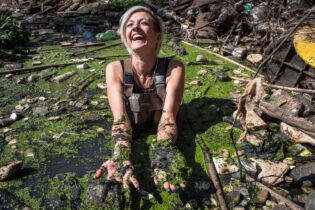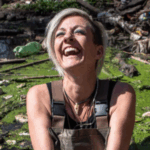
Tarryn Johnston, founder and director of the Hennops Revival and Deep Water Movement
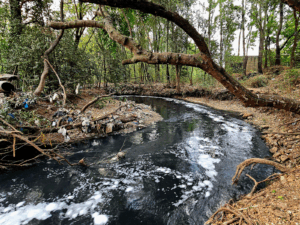
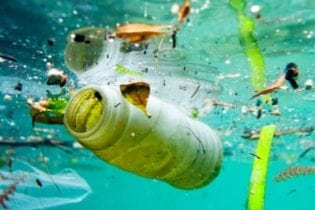
River pollution represents a public health crisis. The polluted water is not only an immediate harm to informal settlements that rely on it, but also a threat to natural ecosystems, and the water infrastructure that was not designed to handle the volumes of waste within the water.
Tarryn Johnston, founder and director of the
Hennops Revival and
Deep Water Movement, has made it a mission to create awareness about river water pollution, as well as provide a safe platform for individuals, educational institutions, and private sector volunteers South Africa’s rivers. Hennops Revival organises clean-ups that bring people together for the common goal of environmental care.
Deep Water Movement is the larger-scope sister company, Johnston says, “After years of organising river ups, and getting to know more about the world of water, I realised we are in ‘deep water’ and Hennops, which is so area-specific, could not tackle all the problems I have learned about and faced. Deep Water Movement is the response to South Africa’s larger water problems.” In 2024, Johnston organised the Crisis Intervention Convention, which brought together disparate parts of the water, waste, and energy sectors sector to discuss what the problems and solutions really are.
Part of Johnston’s self-prescribed mandate is to find unique solutions for the waste they collect from the river. Early last year, she had developed a paint that is waterproof and fireproof, from this waste and is currently still testing it and accrediting the product.
“The NGO structure relies on donations, and while that is great and we have had immense generosity, funding remains a struggle. The goal is to get this paint to market as a for-profit initiative that could help the funding gaps we experience in the NGO part of our operations.”
There is also a focus on the social aspect of waste, Johnston says, “We are working on upskilling, reskilling programmes as well as other waste as resource projects like interlocking bricks.”
Speaking broadly, Johnston puts her years of experience on the ground into the root of the problems, “while everyone is blaming informal settlements, which do form part of the issue, no one is focusing on the broken waste management systems that allow private sector dumping and municipal failings. Transparency across the entire value chain will put an end to some of the illegal dumping, and while it is not popular, we need to sort out our landfills and waste services.”
The ongoing effort of clean-ups
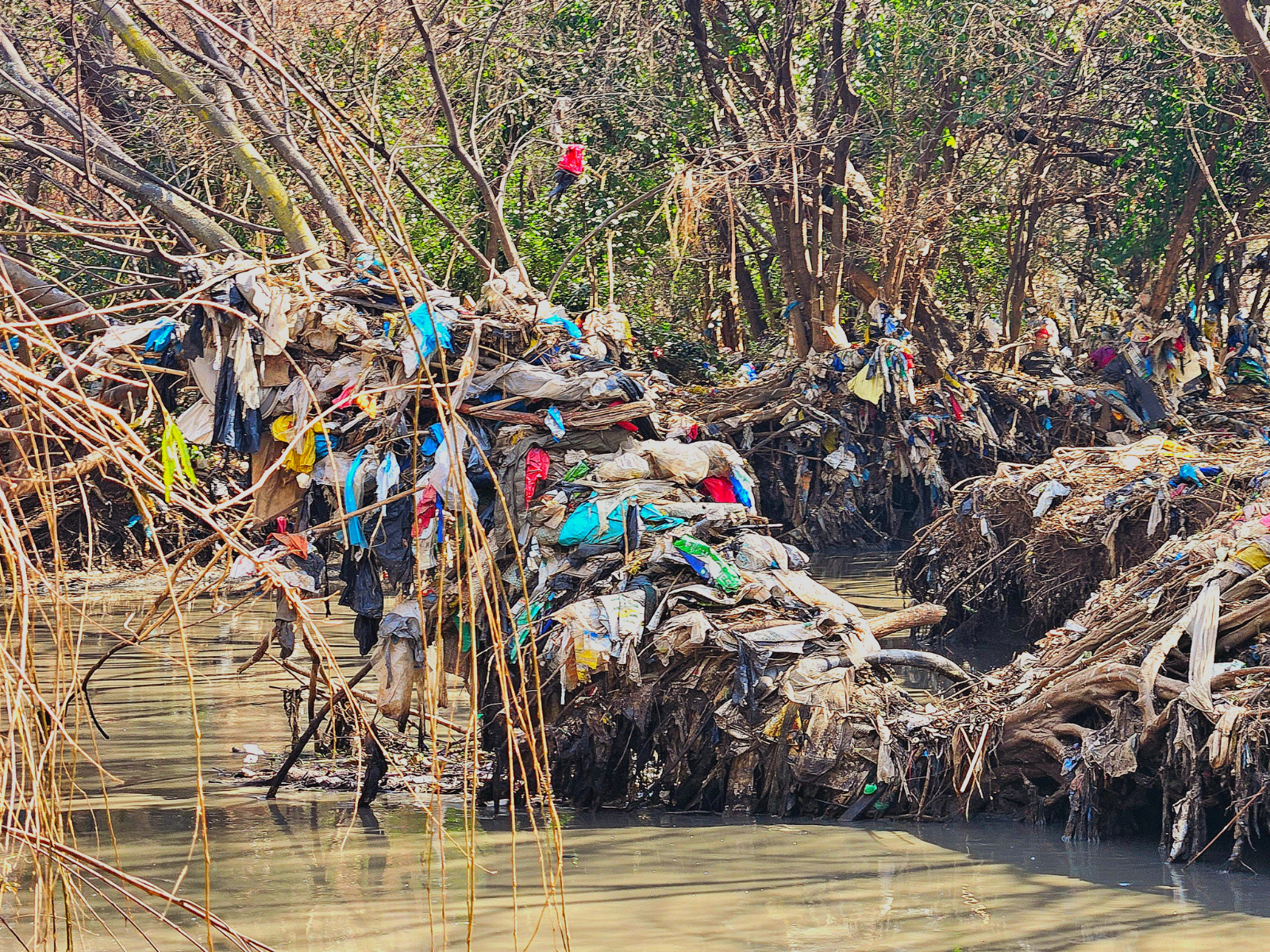
While there are plans to ‘fix’ the problems going on within South Africa, Johnston does expound on the need for clean-ups: “The task does seem never-ending, but right now, before we have tangible solutions and progress, there is a need to keep the clean-ups going.”

Warren Rocchi, volunteer and admin assisstant
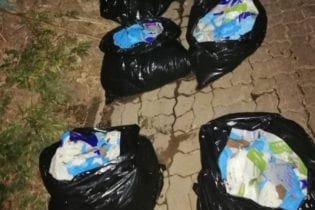
The Mandela Day clean-up, a larger one considering government efforts to direct the public toward charitable causes, was a success both in terms of clean-ups and in trying out new strategies. Warren Rocchi, who works with Johnston, says, “Instead of an ‘all systems go’ approach, we tested cleaning up in waves with specific targets. We worked with arborists, who would go out with the team and mark invasive plant species, then another wave would remove the plants, and other waves focused on the clean-up aspect.” Rocchi states that this cleanup removed 2077 bags of waste, 10 invasive trees, and 150 invasive shrubs.
Rocchi started as a volunteer, and when he noted that Johnston was inundated with admin, he took over some of the responsibility and aids the volunteer aspect of the operation. He works a full-time job and does this for free. He adds, “Right now, most of these bags are still being sent to landfill, which is still a step up from being in the river, but not ideal. We should be embarrassed by the world we are handing over to the next generation.”
Taking the efforts and lessons of Hennops, Johnston, and Rocchi came up with the “clean up in a box,” which people can apply for these boxes for their clean-ups, and the box comes with all the necessary equipment. Rocchi adds, “clean-ups are harder than people realise, not just the labour, but the prep, and these boxes offer the right tools that might be overlooked and aim to spread to community spirit of Hennops Revival.” These boxes also offer an opportunity for collect additional water pollution and quality data from areas across the country,
Johnston adds, “We are currently testing out a citizen science test kit for monitoring South Africa’s water from boreholes, taps, rivers, dams, lakes, estuaries, and the ocean. This kit is being developed so that the results are accurate enough to be used in court. We also offer to make these results understandable to the everyday person, because action comes from comprehension.”
Beyond cleaning
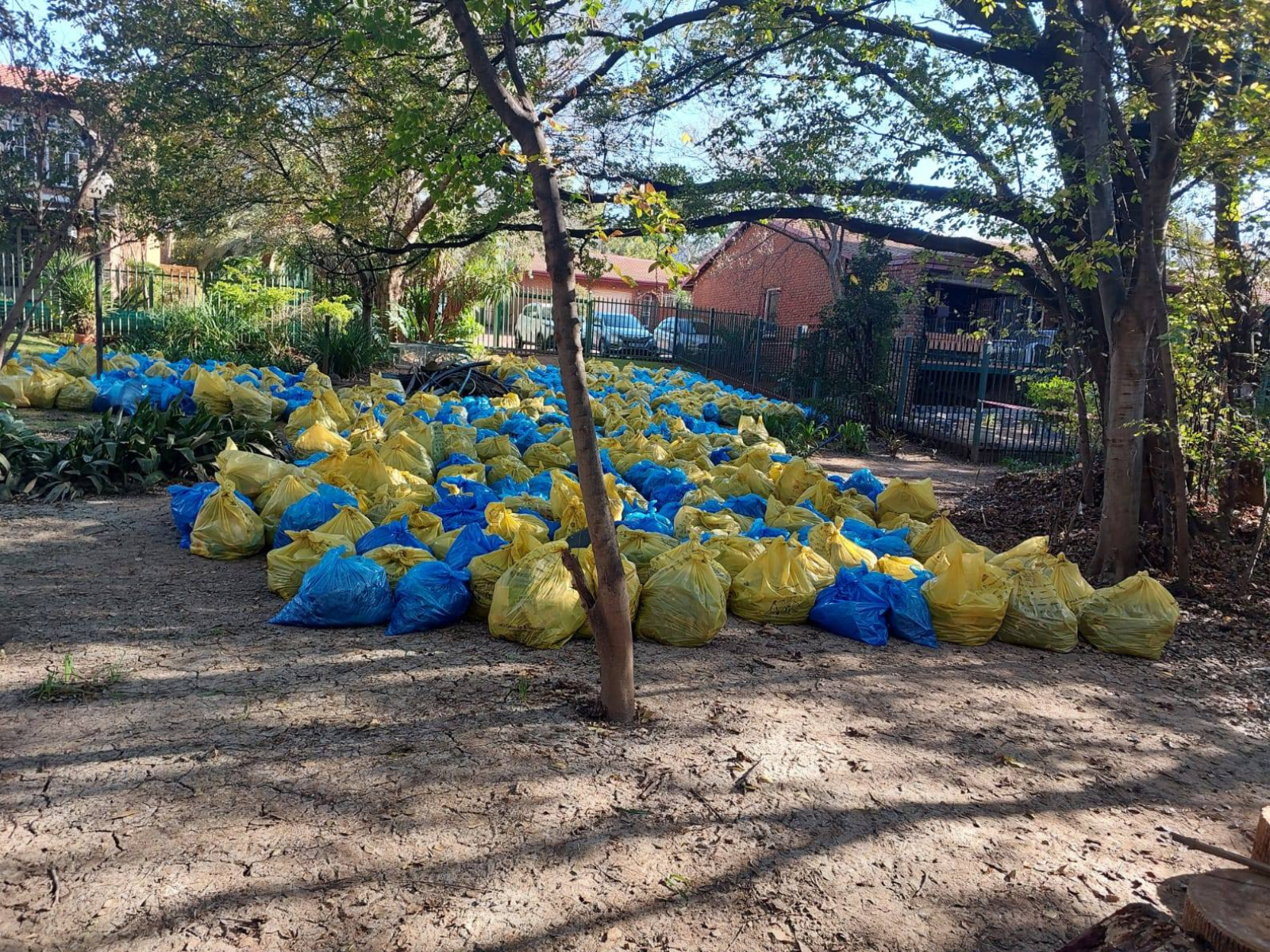
A river clean-up yields hundreds of bags of waste
The ongoing importance of clean-ups as an interim intervention is important, but Johnston is still aiming for a complete change. Adding emphasis to the urgency, she states: “According to the 2024 Annual Landfill Audit, which indicates that just 13% of audited Landfills meet the minimum basic requirements, and the rest simply don’t. With the key function of landfills being fundamentally broken, we must ask ‘now what?’
Moving beyond the clean-up, Hennops Revival, Deep Water Movement and Higherway Academy have partnered to host the 4th annual Africa Waste to Energy Symposium.
Johnston asks a pertinent question, backed by years of data and business records: “We have already removed over 5 million kilograms of waste from the Hennops River alone.
Will we continue to bury it, or will we use it for dignity and transformation?”