South Africa is running out of space, time and options to manage its growing sludge volumes. Yet what is treated as waste is a valuable resource. With rising regulatory pressure and new decentralised technologies, sludge can be transformed into products that support the circular economy, improve sustainability and unlock local opportunities.
Sludge is a byproduct within wastewater treatment plants when treating human waste. The sludge generated continues to be stockpiled, while faecal sludge from Ventilated Improved Pit (VIP) toilets poses persistent pollution and public health concerns. It is estimated that South Africa’s large treatment plants produce about 638 750 dry tons per year. Furthermore, it is estimated that sludge from smaller plants and VIPs can range between 378 000 and 567 000 dry tons per year.
South Africa cannot afford to overlook these challenges any longer. What is currently seen as waste is, in fact, an untapped resource that can deliver significant environmental and economic value. This is where decentralised sludge beneficiation innovations become essential in reshaping the future faecal sludge management and growing local economic opportunities.
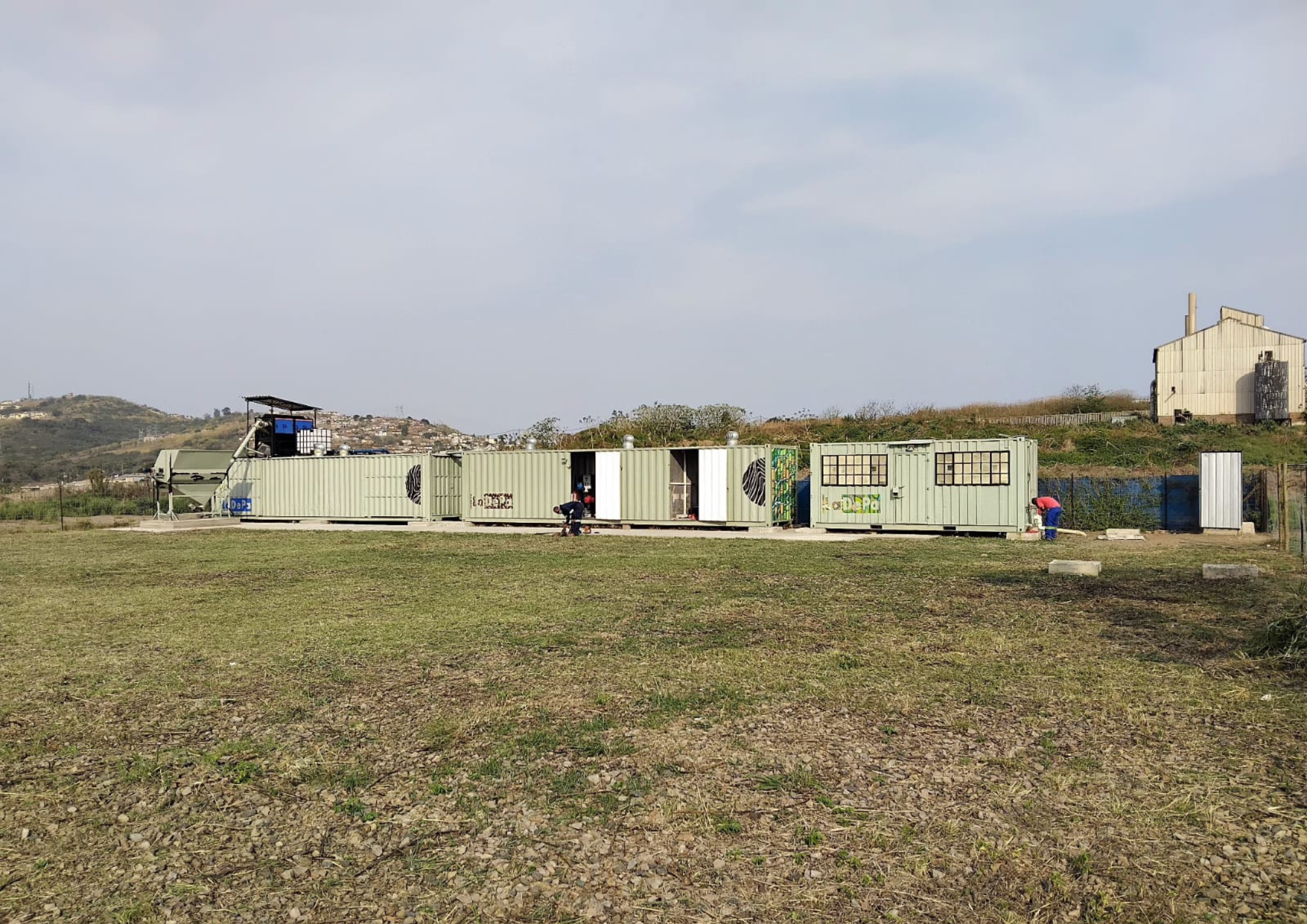
The WRC and eThekwini Municipality entered into a partnership to demonstrate a sludge beneficiation technology, namely LaDePa at the KwaMashu
The sludge economy opportunity
Sludge can be treated and converted to beneficial products such as compost but it requires careful management of temperature to render the final product safe from pathogens.
Current wastewater treatment plants currently have anaerobic digesters which can stabilise sludge and produce biogas for use. However, the Water Research Commission (WRC) is also exploring emerging technologies based on sludge typologies such as primary sludge, waste activated sludge, digested sludge, and faecal sludge. Such technologies are proving that sludge is not merely a liability but a potential resource which could produce products such as soil conditioners, fertilisers, biochar, biogas, activated carbon and new materials to be used in agriculture, water, energy and construction industries. Such products if generated at community level can be used by communities for energy, and agriculture alleviating energy and food insecurity. These innovations minimise environmental pollution and support sustainable waste management principles, which considers disposal as the last resort.
Regulations driving sustainable approaches
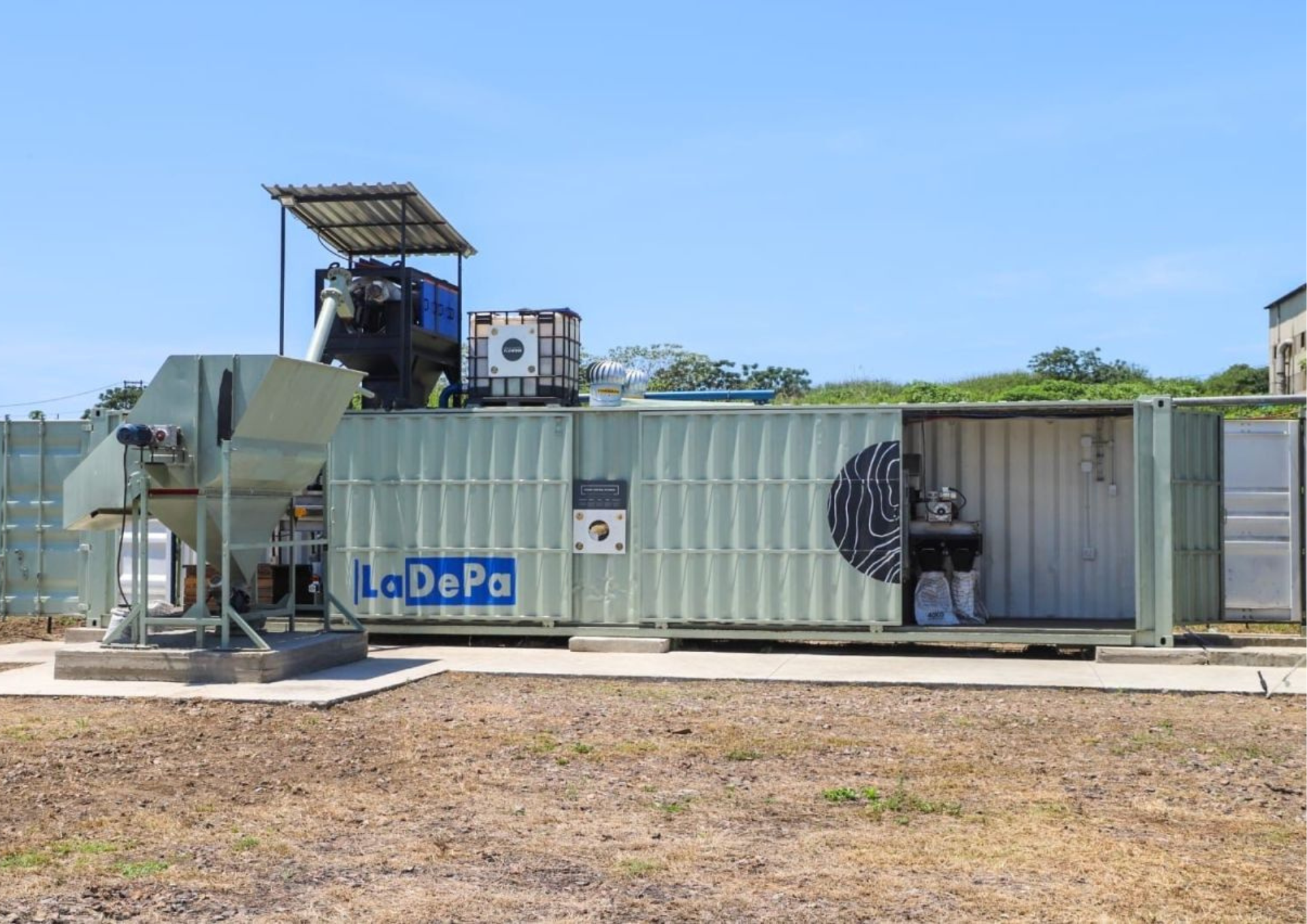
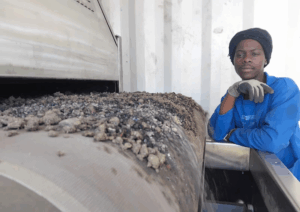
The LaDePa plant was commissioned in September 2025 and is processing both faecal sludge and wastewater treatment works sludge at scale
In 2019, the Department of Forestry, Fisheries and Environment (DFFE) declared a national ban on liquid wastes to landfills, which is pushing municipalities to seek alternative treatment and disposal methods and encouraging beneficial use and transitioning towards the circular economy. Thus, DFFE supports the beneficial use of wastewater sludge and to encourage this, the DFFE can grant an exclusion from the legal definition of waste for specific beneficial uses, provided certain conditions are met.
Technologies can help modernise the approaches to sludge treatment while generating revenue from the products it produces, which seek to close the nutrient and carbon loops while reducing pollution. These approaches also create new opportunities linked to sustainable energy generation, material recovery and job creation.
The Department of Water and Sanitation has published a National Faecal Sludge Management (FSM) Strategy (2023), which aims to ensure safe, regulated and sustainable faecal sludge management across all on-site sanitation systems in South Africa.
The strategy emphasises:
- Safe collection, transport, treatment and end-use of faecal sludge
- Adoption of appropriate and affordable technologies
- Resource recovery and circular economy principles
- Reduction of environmental and public health risks
- Building municipal capacity for FSM operations
- Developing regulatory pathways for end-products such as soil conditioners and fertilisers.
A sludge demonstration project with national significance
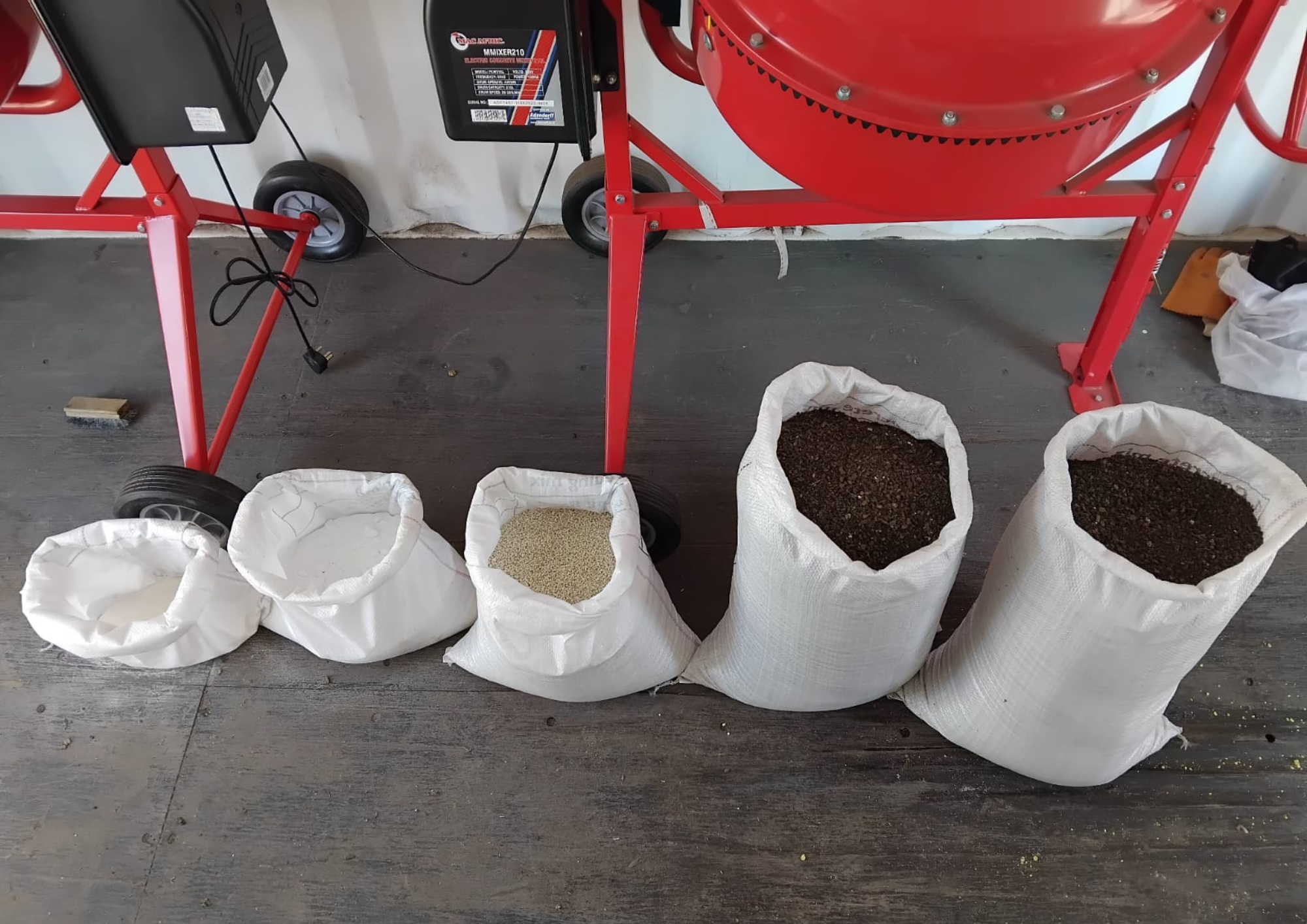
LaDePa stands for Latrine Dehydration and Pasteurization, a technology that converts sludge into a soil restoration material and if blended with nutrients, can be used as a fertiliser
The WRC and eThekwini Municipality entered into a partnership to demonstrate a sludge beneficiation technology, namely LaDePa at the KwaMashu WWTW. LaDePa stands for Latrine Dehydration and Pasteurization, a technology that converts sludge into a soil restoration material and if blended with nutrients, can be used as a fertiliser. Pasteurisation heats the sludge to kill the pathogens. This technology was developed by local partners who understand South Africa’s context, designing systems with capacity ranges of 5 to 30 tons per day and supports the transition to circular economy.
The objective of the large-scale demonstration of LaDePa is to upscale a sludge valorisation technology that addresses both pit latrine sludge and wastewater treatment sludge, assessing operation and maintenance and production regimes and evaluating final product quality. The inclusion of market analysis is especially important. By understanding the regulatory environment, market size, pricing and revenue potential of valorised products, municipalities and private partners can adopt sustainable business models that reduce long-term operating costs and unlock local entrepreneurship opportunities.
The LaDePa plant was commissioned in September 2025 and is processing both faecal sludge and wastewater treatment works sludge at scale. This demonstration project strongly aligns with the Department of Water and Sanitation’s National FSM Strategy. Given South Africa’s growing regulatory, environmental and infrastructure pressures, such solutions are no longer optional, but are essential.
The large-scale sludge beneficiation demonstration project is more than a technical pilot, it is a national opportunity to transition towards sustainable, circular and economically feasible sludge management. For sludge valorisation to scale, the market demands and pricing must be clearly understood and the public sector institutional models that will enable entrepreneurs to enter and generate products must be fully unpacked for the markets to grow. These insights will help municipalities move beyond the traditional view of sludge as a burden to a regulated, circular and sustainable management approach.
By Phillip Majeke (commercialisation manager) and Valerie Naidoo (executive manager) from the Water Research Commission

Phillip Majeke, Commercialisation Manager with Water Research Commission

Valerie Naidoo, Executive Manager with Water Research Commission