“This is the bleakest moment in the construction industry’s history,” said Murray & Roberts CEO Henry Laas — at the very moment that the lights went out in the forgettable beige room at the Competition Tribunal this week, as if underscoring his point.
Speaking at the Tribunal hearings relating to fraud, collusion and racketeering in the industry, Laas quoted former president Nelson Mandela in his plea: “If there are dreams about a beautiful South Africa, there are also roads that lead to their goal. Two of these could be named goodness and forgiveness.” But there was not much forgiveness going around during the hearings as the tribunal judges made construction bosses such as Laas, WBHO CEO Louwtjie Nel and Raubex’s Rudolf Fourie sweat during questioning. Willie Meyburgh CEO of Stefanutti Stocks — the company that first ran to suspended National Prosecuting Authority (NPA) prosecutor Glynnis Breytenbach to confess its sins as well as those of the rest of the industry — sent his finance director, Dermot Quinn, to face the music. The company, which is South Africa’s fifth-largest construction company by market capitalisation, has to date not fired any of the 19 directors who took part in fraudulent practices. A young deputy CEO from Basil Read, Manuel Gouveia, also confessed that the company still employed an engineer previously implicated in bid-rigging.
The construction bosses were joined by a small army of lawyers from South Africa’s leading firms such as Bowman Gilfillan and Webber Wentzel, the only people in the room who had a reason to smile all the way to the bank.
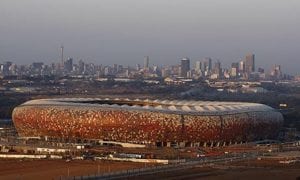
Aveng executive Macrae Glaeser explained how construction companies would disguise loser’s fees — paid to the company that did not put in a competitive bid — as “hired equipment” in the books. Executives from Liviero said such entries were often also made under “plant hire”. Fourie said the 2010 Soccer World Cup was actually a “bad thing” that left the construction industry unsustainable. On the side-lines of the hearings, Fourie explained that the construction industry had to grow at a very fast pace to try to cope with the infrastructure build that was needed for the World Cup. “This is why we felt the need to allocate projects; there were some serious capacity problems at the time. This left the industry unsustainable when all the building came to an end,” he said. The construction industry has had a tough time since its heyday, and seems headed for even darker days as the NPA and Hawks prepare to intensify investigations as the tribunal process concludes.The tribunal is expected to deliver its ruling this week. *This article was first published in Sunday Times: Business Times