Clean and green environment (CGE) technologies have taken centre stage as a recent report reveals the most urgent environmental issue that needs to be addressed is water scarcity.
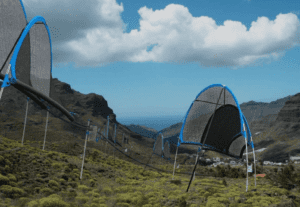
With rising water scarcity, energy depletion, and global warming threatening the Earth’s ability to nurture life, a concerted move toward sustainability, especially with regard to water-efficient technologies, is vital for future survival. A study by Frost & Sullivan, titled Top Technologies in Clean & Green Environment – 2015, identifies and explores the 10 most impactful CGE technologies of 2015. These include atmospheric water generation, waste-to-energy, waterless technologies, water-energy efficient technologies, solid waste upcycling, indoor air purification, reverse osmosis, air filtration, membrane distillation, and capacitive deionisation. Desalination remains the primary focus of water suppliers. However, prolonged and widespread droughts have compelled them to place deeper emphasis on water production technologies. In response to water scarcity, atmospheric water generation, which does not need readily available water sources, has begun to gain traction even in non-military sectors. Meanwhile, waste-to-energy and solid waste upcycling continue to dominate the solid waste management sector. Upcycling has emerged a feasible method to manage solid waste and natural resources, water, and energy.