By Matthew Kofi Ocran: Professor of Economics, University of the Western Cape
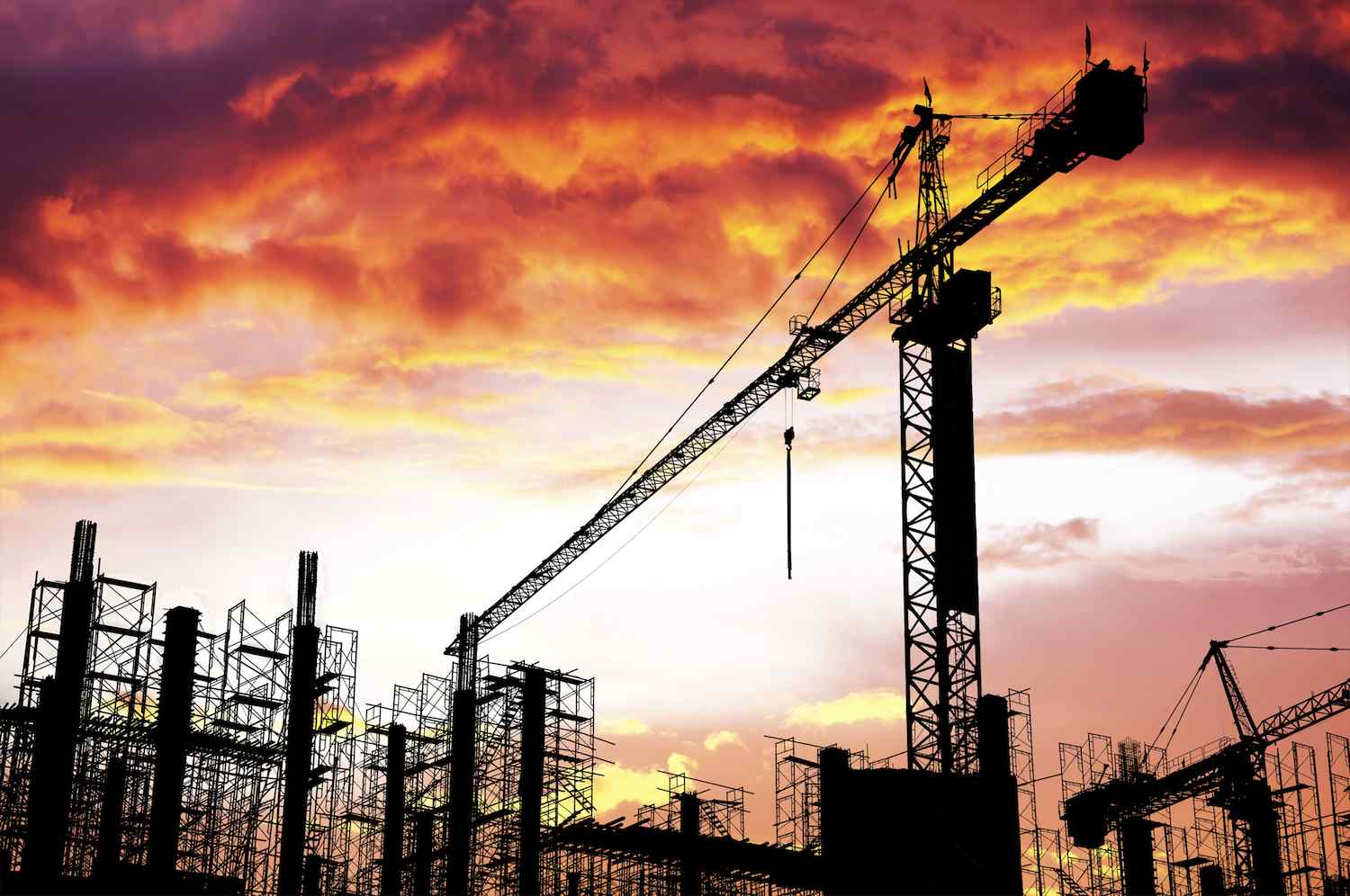
Improving infrastructure is not only critical for economic growth in Africa but essential for ensuring the improved wellbeing of its people.
What we know
Sourcing funds for huge infrastructure development in Africa has always been fraught with difficulties. One major challenge is that the multilateral development finance institutions, which are dominated by the rich western countries, often impose stringent policy conditions to loans. It also appears that the funding required to close the infrastructure gaps is simply not available on the balance sheets of the World Bank and the African Development Bank.
Another issue is that the major lenders have historically been more active in financing social infrastructure such as health and education. Their approach to development in Africa has by and large been related to “poverty alleviation”.
The critical role of economic infrastructure in spurring economic growth has not been accorded serious attention. While social infrastructure is important for economic development, economic infrastructure is more urgent. Wealth creation and capital accumulation are facilitated more by investments in economic infrastructure. The truth is that the old approach of countries relying heavily on multilateral and regional development finance institutions to fund infrastructure is unworkable. It is also incapable of closing the huge financing gap. In fact, neither the old nor the new institutions have the risk appetite for the kind of investments needed. If countries continue to rely on these organisations and institutions the pace for closing the infrastructure gap will be very slow.