


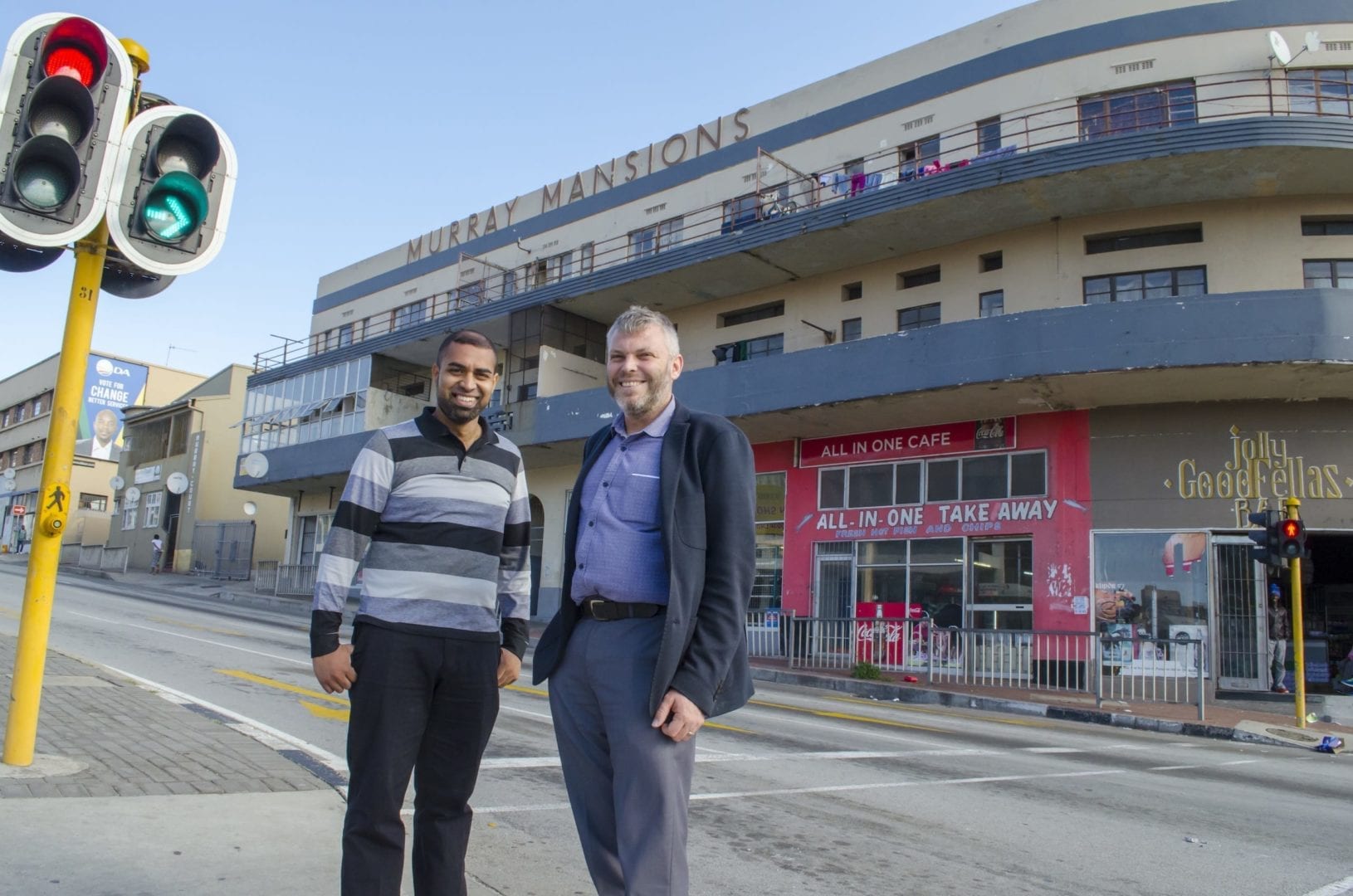
Murray Mansions, a redeveloped heritage building
Using the past to grow the future
Although it may seem contradictory, he believes the answer lies in using the past to facilitate future prosperity, which is especially relevant in the context of a developing state. “We need to start thinking about heritage as an economic resource as opposed to an economic burden,” says Wintermeyer. With many social ills such as unemployment, disease and lack of education currently topping the national and provincial government agendas, what to do about a deteriorating old building is naturally bottom of the priority list, says Wintermeyer. “The fact that the Provincial Heritage Resources Authority (PHRA) is one of the most underfunded units of the most underfunded provincial department – sport, recreation, arts and culture – bears testimony to this.” But, he says, government should not lose sight of the fact that heritage can create investment opportunities and become a catalyst for economic development.
Wintermeyer says early twentieth century and post-war buildings tend to be have the added benefits of being solidly built with generous room sizes.
“An older block of flats usually has fewer and bigger units. So we turn a block of 10 units into 20 and suddenly the business plan is looking good. And it’s relatively quick because zoning and other issues are already in place.” In addition, he says, agencies like Trust for Urban Housing Finance (TUHF) provide bridging finance for entrepreneurs and developers focusing on inner city redevelopment, where many of the older buildings are located. “For them it’s a business case and the numbers work. Inner city sites are safest, get the most returns and are good business.”


