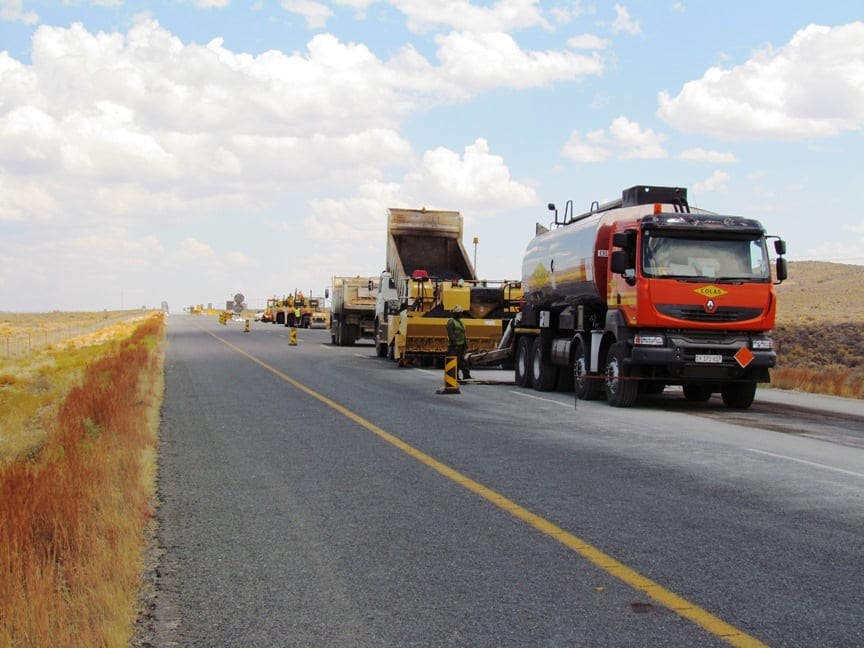
Construction vehicles are some of the most important vehicles in a municipality’s fleet.
- You only pay for the usage of the vehicle:
- When leasing a vehicle you pay a lease rate for the usage of the vehicle, an administrative fee and costs for other optional services that a leasing company provides.
- The vehicle usage is calculated from its depreciation during the term of the lease. This means that one does not ever pay the full purchase price of the vehicle.
- If you’re looking for predictable cash flows, then leasing is a suitable option. Avoid diverting working capital away from the business or creating more debt. Leasing releases working capital otherwise frozen in fixed assets.
- Open-end TRAC leases have payments that are somewhat predictable and depends on whether the interest rate is fixed or floating. However, closed-end or hybrid leases might be even better, with equal payments for the entire lease term, and the residual value is guaranteed by the lessor.
- Why invest in a depreciating asset?
- Cycle vehicles at the optimal time.
- There’s a possibility of off-balance sheet reporting.
- The lease does not have to appear on your company’s balance sheet.
- It reduces your company’s visible debt.
- The company looks more attractive to investors and lenders. It all boils down to liquidity, profitability and trends.
- Better total cost of ownership is achievable.
- Lower your administrative burden.
Other important finances to consider:
There are several reasons for leasing and owning fleet vehicles that include:- Cash flow: If the company is looking for predictable, even cash flows, leasing is more practical. Some open-end leases have even payments in annual increases, however closed-end leases prove to be better with equal payments for the entire lease term. Ownership has very different funds flows, however if cash flow is not an issue, and the net present value is stronger, buying works.
- Balance sheet: When leases qualify as operating leases, lease payments can be treated as an expense on the company income statement and deducted with other expenses (such as rent, utilities, and salaries). Owned fleets require balance sheet entries — an asset offset by a corresponding liability. If the fleet is of substantial size, the company may prefer to lease, which will keep vehicles off the balance sheet and eliminate any impact on financial ratios, which are important to banks and other creditors. If the fleet is smaller, ownership can be considered as such ratios won’t be materially impacted.
- Depreciating asset: Vehicles depreciate in value over time as the more they are used, the lower their value at any point in time. Some companies’ financial philosophies call for leasing depreciating assets, and owning those that appreciate.
- Hassle-free: Leasing can be a hands-off transaction as the lessor handles ordering, delivery, resale etc. under a single master agreement. There are however some large national fleet dealers who can provide similar services, as well as purchase or disposal programs offered by fleet management companies.