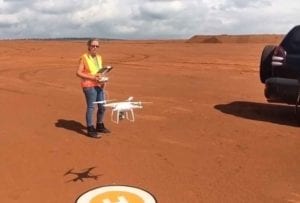
Aurecon is aiming to be the first consulting engineering company to become a registered drone operator in South Africa. The infrastructure advisory and engineering consultancy company intends to use their squadron of drones as a value-adding tool on client projects, believing it will significantly enhance the company’s service offering.
Richard Matchett, Aurecon Digital Lead RSA says that what initially started as a fun idea, arousing a great deal of enthusiasm, quickly turned into a very serious and sober undertaking by the company’s engineers. “To become a registered drone operator in South Africa, we are required to adhere to the same operational guidelines and legislation as manned aviation. The initiative requires a high level of responsibility from Aurecon. The business systems and governance systems that our Drone Operations Management Team is putting in place are very comprehensive,” he says.Shaping design solutions
During the inception phase of a project, Aurecon’s design teams can get a comprehensive view of a site that they are going to be working on. The high quality aerial photography from the drones captures more visual information than would have been possible during site visits in the past. This information can then be viewed at the office by an audience of designers, technical experts and engineers at their convenience. Matchett explains that clients get a much richer view of a project very early on thanks to the 3D models that can be created from drone imagery. “Instead of having a team of engineers working on a design concept or solution in isolation, the visual and contextual information enables us to bring clients on board for the journey with our design team to shape a better solution for their project. Clients and their internal stakeholders are able to become involved in the project development on a much deeper level in its early stages,” he says. Enhancing collaboration between the engineers and the client also enables the project team to reach consensus on design much earlier on in a project, which leads to fewer iterations of the design, less wasted time being spent on the development of dead-end design proposals, and more comprehensive feedback from the client.