It is time to find truth and balance in the myriad calls for plastics to be replaced with alternatives or degradable versions. If we don’t, we risk setting policies, formulating regulations, enacting legislation and investing in technologies that will do more harm than good.
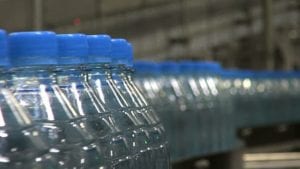
This is the view of South African National Bottled Water Association Executive Director, Charlotte Metcalf, in response to the wave of anti-plastic sentiment rippling around the globe. Most of South Africa’s bottled waters are bottled in PET bottles. Metcalf doesn’t dispute the fact that plastic in all its forms is one of the major pollutants of our water bodies and landmasses. Nor does she argue against the fact that ways must be found to curtail that pollution. But, she does maintain that outright bans, or the adoption of unproven and untested alternatives, are grossly overrated as solutions to plastic pollution. “Worse is that these are often knee-jerk reactions to the comments made by those who should know better, who should take responsibility for educating and informing the world’s citizens – the media, opinionmakers, thought leaders,” Metcalf said.Dodgy data
As an example, she pointed to a campaign launched recently by the South African arm of a well-respected international non-governmental organisation. The campaign’s cornerstone is that only 16% of plastics in South Africa are recycled. But, for 2017, Plastics|SA reported that 43.7% of all plastic in South Africa is recycled, while PETCO’s post-consumer recycling rate for PET was 65%.
“That’s math that just doesn’t add up,” she said. “Adding insult to injury is that, when asked, the NGO refused to disclose the source of that 16%. Plastics|SA and PETCO’s figures are, however, audited and available for scrutiny.”
Leaving the issue of misquoted statistics aside, how do the alternatives stack up?