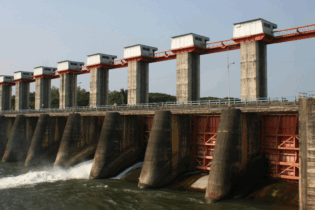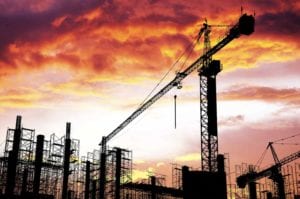
The current low levels of infrastructure on the continent pose one of the biggest challenges to Africa’s industrialisation and development agenda, which has a negative impact on Africa’s competitiveness and participation in the global markets.
This is the view of Dr Amani Abou-Zeid the African Union Commissioner for Infrastructure and Energy. Speaking at the 2018 PIDA Week, Abou-Zeid noted that while there have been remarkable achievements on the continent, as far as infrastructure development is concerned, the scale of the challenge in infrastructure development calls for more accelerated implementation and innovation. According to the World Bank, the poor state of infrastructure in Sub-Saharan Africa in respect of its electricity, water, roads and ICT, reduces national economic growth by two percent annually and reduces productivity by as much as 40 percent.The financing gap
“Meeting Africa’s infrastructure needs and developing cost-effective infrastructure services requires significant investments,” the Commissioner said, adding the continent should turn its challenges in infrastructure development into an opportunity. The financing gap in Africa for infrastructure development is estimated at between US$130 -170 billion per year.
“Despite encouraging investments on infrastructure, both at the domestic and international levels, which averages about US$75 billion per year, there is a need for significant increase in infrastructure investments on the continent,” Dr Abou-Zeid added.