COD is a critical waste treatment measurement in everything from municipal systems to food manufacturing waste streams. It determines wastewater treatment effectiveness and diagnoses problems in treatment.
By Ralf Christoph, general manager, Hanna Instruments South Africa
COD is the amount of oxygen needed to oxidise the organic matter in water. COD testing therefore can be used to easily quantify the amount of organics in water.
COD and BOD
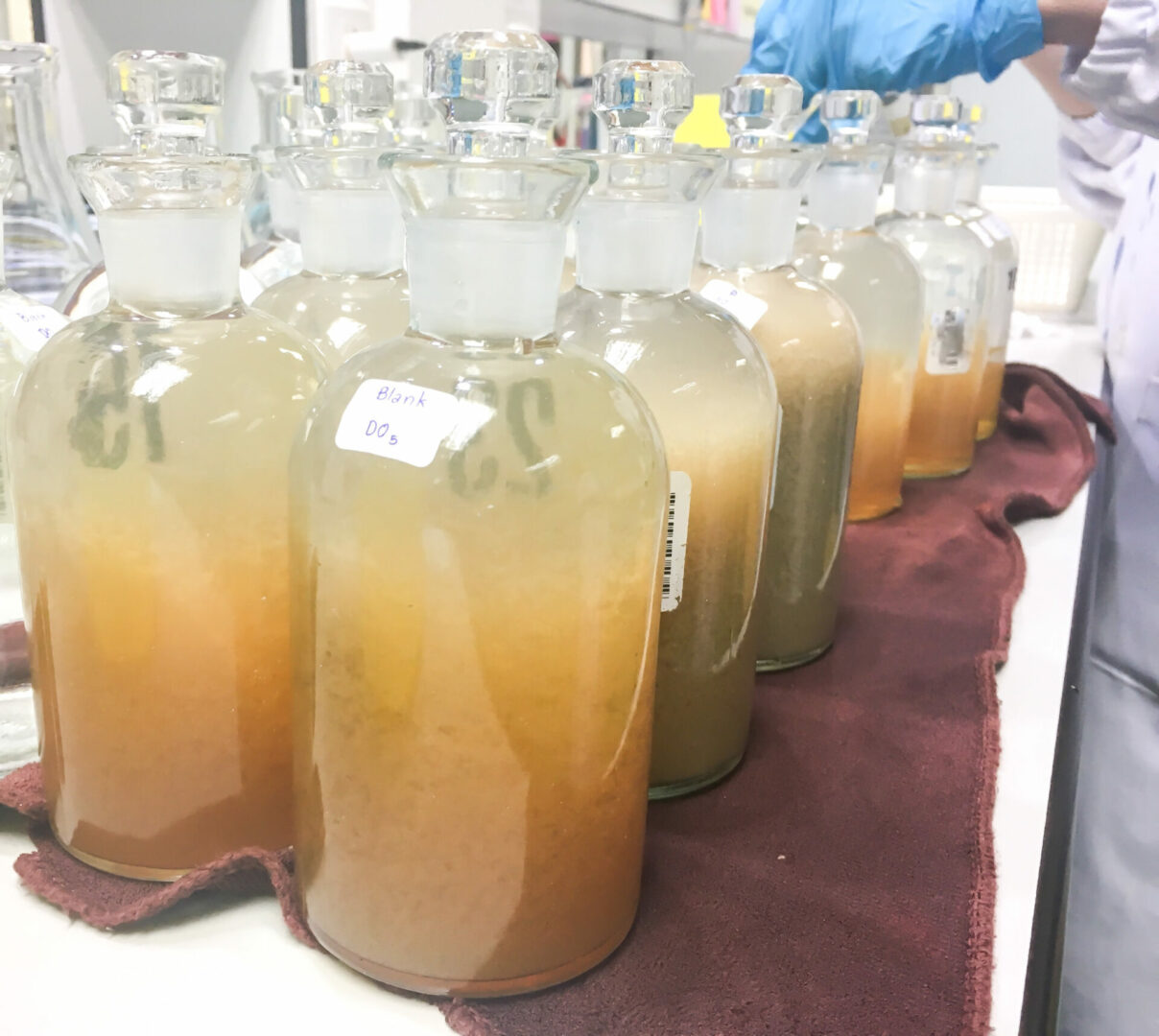
COD contrasts with biochemical oxygen demand (BOD), which relies on the use of microorganisms to break down the organic material in the sample by aerobic respiration over the course of a set incubation period (typically five days).
BOD and COD correlate with one another in virtually all samples, but BOD is always lower than COD as the biochemical breakdown of organics is often not as complete as the chemical method.
Since a BOD test takes five days to complete, and a COD test takes only a few hours to complete, the COD test is preferred. If BOD were always used, treated wastewater would need to be held, and a problem with the treatment process would not be detected until five days later.
Importance of COD testing
BOD and COD are critical in wastewater for determining the amount of waste in the water. Waste that is high in organic matter requires treatment to reduce the amount of organic waste before discharging into receiving waters.
If water treatment facilities do not reduce organic content of wastewater before it reaches natural waters, microbes in the receiving water will consume the organic matter. As a result, these microbes will also consume the oxygen in the receiving water as part of the breakdown of organic waste. This oxygen depletion along with nutrient rich conditions is called eutrophication, a condition of natural water that can lead to the death of animal life.
Wastewater facilities reduce COD and BOD by using these same microbes under controlled conditions. These facilities aerate chambers injected with specialized bacteria that can break down the organic matter in an environment that does not harm natural waters. A reduction in BOD is used in these facilities as a benchmark for treatment effectiveness.
How to measure COD
COD measures organic matter by using a chemical oxidant. It is critical that a strong enough oxidant is used to react with virtually all organic material in the sample. Historically, potassium permanganate filled this role, but it was found to be inconsistent in its ability to oxidize all the organic matter in a wide variety of waste samples.
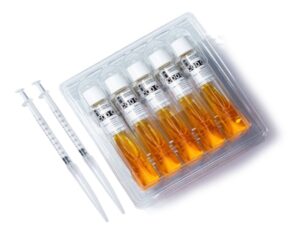
Currently, most COD tests use Potassium Dichromate as the oxidant. Potassium Dichromate is a Hexavalent Chromium salt that is bright orange in colour. Between 95-100% of organic material can be oxidized by Dichromate. Once Dichromate oxidises a substance, it is converted to a trivalent form of Chromium, which is a dull green colour.
Digestion is performed on the samples with a set amount of the oxidant, sulfuric acid, and heat (150°C). Metal salts are usually included to suppress any interferences and to catalyse the digestion. This takes two hours to perform.
During the digestion, it is necessary to have excess oxidant; this ensures complete oxidation of the sample. Therefore, it is important to determine the quantity of excess oxidant. The two most common methods for this are:
Corrosion – the gradual deterioration of materials caused by environmental exposure – poses a major challenge in maintaining water distribution systems. To tackle this issue, WISA hosted a seminar focused on understanding corrosion and exploring a...
Reclite SA’s decision to position itself first and foremost as a manufacturer, rather than a recycler, has reshaped how the company understands waste, value and the circular economy. “We have developed this way of working to be sustainable for...
Water is the lifeblood of any major city, but ensuring a stable supply has become an escalating challenge for South Africa’s urban centres. Aging infrastructure, rapid population growth, and the intensifying impacts of climate change –...