Water can transmit heat, sound, and electricity and the Keller’s CTD multiparameter probe measures all three parameters.
The acronym ‘CTD’ stands for conductivity, temperature and depth and is determined by the following sensor elements:
Conductivity sensor (Conductivity)
Temperature sensor PT1000 (Temperature)
Pressure sensor (Depth)
Since these parameters are directly dependent on each other, Keller incorporates three sensors into one device to provide compensated and thus highly accurate measured values.
Conductivity
The more dissolved ions (chlorides, sulphates, or carbonates) there are in a substance, the higher its electrical conductivity. Thanks to the high number of dissolved ions, sea or salt water, has a conductivity many times higher than conventional drinking or fresh water.
Carefully distilled water contains very few to zero dissolved ions, which prevents the transportation of the electrical current in the water. Pure water has an extremely low electrical conductivity because of the lack of impurities within it.
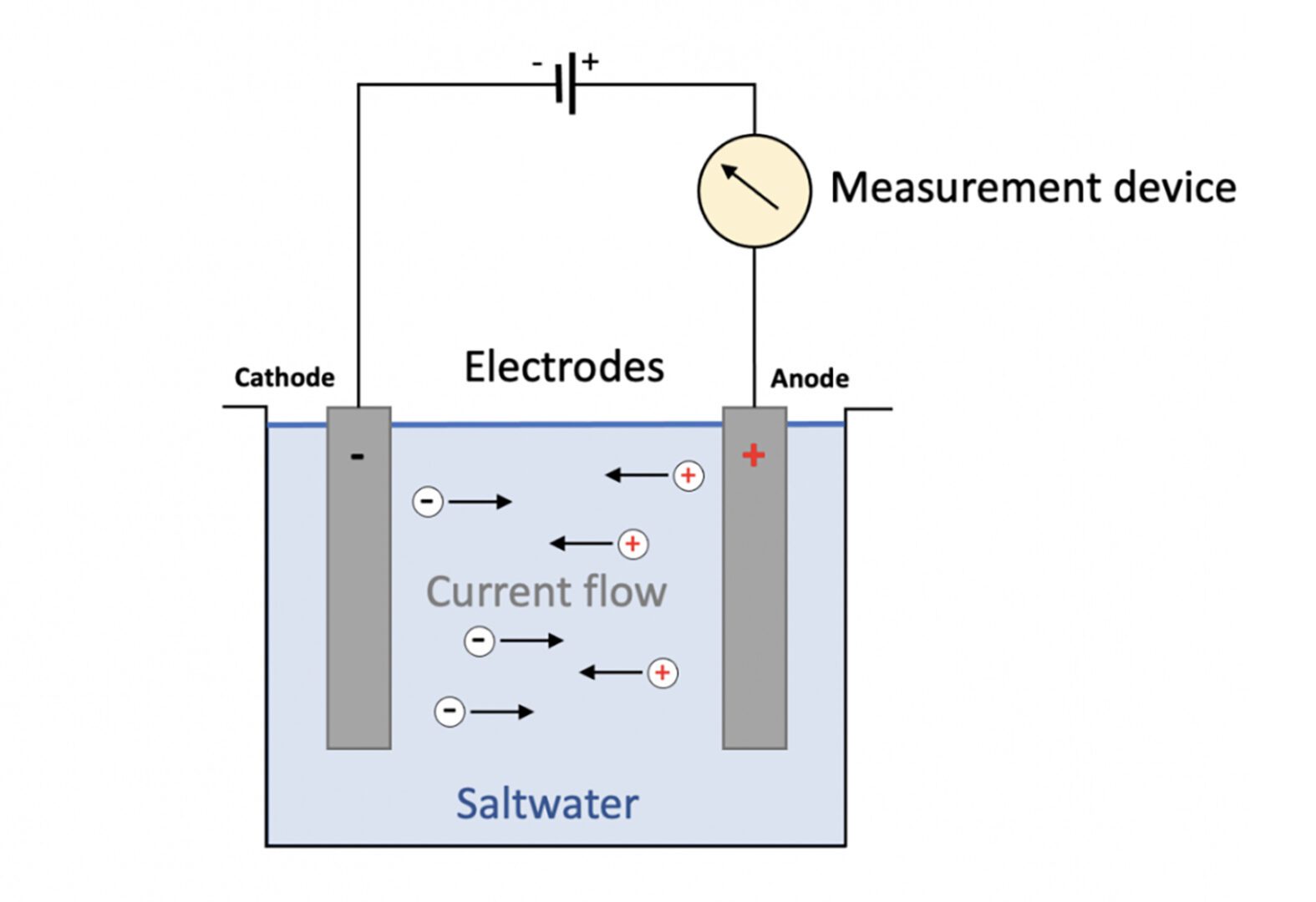
Conductivity is determined by six titanium electrodes. The electrical current flow between the electrodes immersed in a medium is measured. The greater the current flow, the higher the conductivity. Conductivity sensors for water bodies measure from a few micro-siemens per cm (µS/cm) to about 200 milli-siemens per cm (mS/cm).
Some example values:
Distilled water 0,05 µS/cm to 1 µS/cm
Drinking water 300 µS/cm to 800 µS/cm
Seawater approximately 50 mS/cm
Temperature
Temperature changes in a substance also mean a changes in conductivity. At higher temperatures, the number of dissolved ions and their mobility increases significantly and the conductivity therefore also increases.
The temperature can be read out as an independent measuring value, but Keller uses it to compensate for the other parameters. The PT1000 temperature sensor is located directly next to the titanium electrodes, so the temperature and conductivity are measured at the same point.
Depth
Depth can be used to help calculate flow volumes and thereby convert pollutant concentration values into environmental loads.
The water depth is determined by the difference between the surface and the immersion depth. In measurement technology, one refers to the so-called water column. For example, a water column of 10 metres corresponds to a pressure difference of approximately 1 bar. Factors influencing depth measurement in water include barometric pressure, density, and temperature. It is important to consider that the pH of water can vary with depth in the water column.
The application dictates which of two different measuring methods is used:
Absolute pressure (related to vacuum)
Relative pressure (related to ambient pressure)
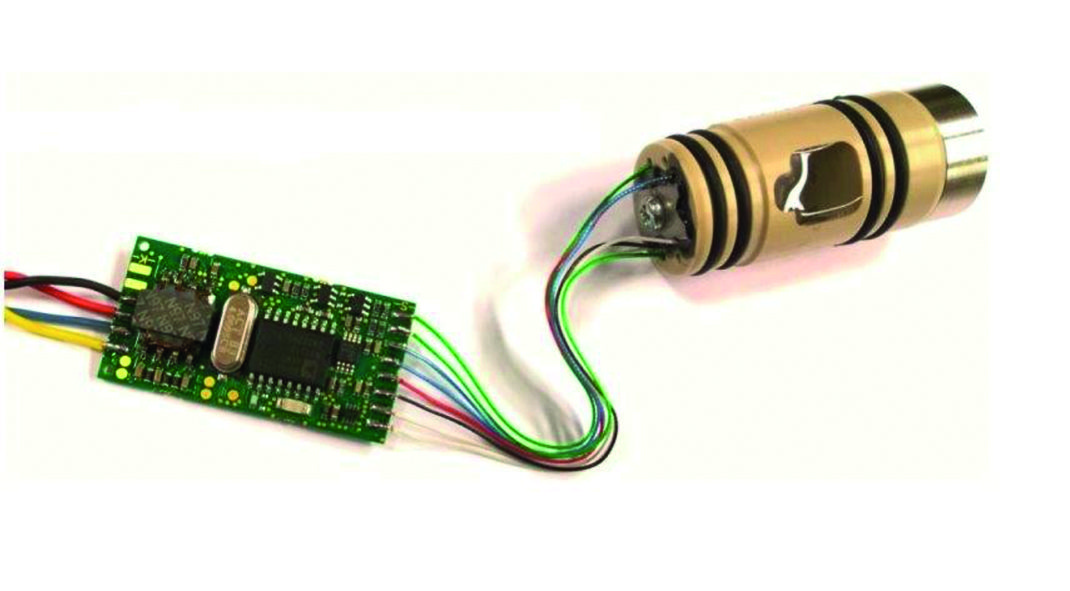
Keller’s multiparameter probe series 36XiW-CTD and the multiparameter loggers’ series DCX-22-CTD / DCX-22AA-CTD combine all the above-mentioned measurements in one device.
Instrotech is the local supplier of Keller, and the market leader producing isolated pressure transducers and transmitters. It has a CTD multiparameter probe and multiparameter loggerthat measures and monitors the quality and quantity of drinking water.
WaterCAN has welcomed the landmark Mpumalanga High Court ruling that fined the Emalahleni Local Municipality R650 million for years of allowing untreated sewage to flow into rivers and dams – but says this must be the start of a nationwide...
At the recent Permit Advisory Forum (PAF) in February, the City of Cape Town presented the latest operational performance and environmental monitoring results for the marine outfalls at Camps Bay, Green Point and Hout Bay. The findings show that...
The City of Johannesburg is taking decisive action to stabilise the water supply network and reduce consumption through a comprehensive, multifaceted Water Demand Management programme. This approach involves coordinated efforts between the City,...