Ahead of the imminent release of the Nordex Group’s 2022 Sustainability Report, it has been announced that the company is now participating as one of the eighteen partners, in a sustainability project, fundedby the European Union, to drive the recycling of high-value rotor blade materials from wind turbine blades.
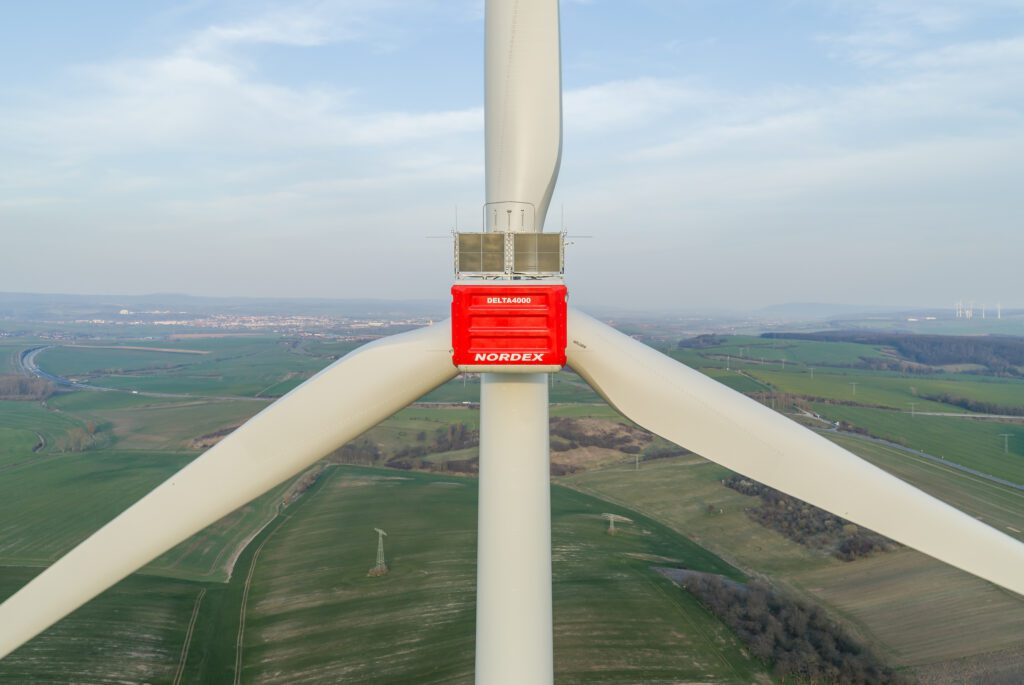
Currently, 85% – 95% of a Nordex wind turbine is already recyclable. For many of the materials used, there are established recycling processes for environmentally-friendly disposal – especially for steel and concrete, which make up the largest share of a wind turbine in the tower and foundation.
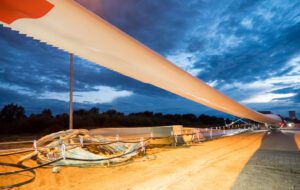
Turbine rotor blades consist of a combination of different materials such as wood, various metals, adhesives, paints, and composites. The composites are glass-fiber-reinforced plastics, as well as carbon-fiber-reinforced plastics.
At the end of their life, rotor blades are more challenging to recycle due to the heterogeneity of the material and the strong adhesion between the fibers and polymers. Recycling processes for these materials are not yet fully established, and reuse of recycled materials is not widespread.
As reported, over the past few years, the Nordex Group has already reduced the carbon footprint of its wind turbines.
“In line with our group’s Sustainability Strategy 2025, ambitious goals have been set, including offering the market a fully recyclable blade within the next decade, with the target set for 2032,” explained Nordex Energy South Africa’s Managing Director, Compton Saunders.
In order to reach this goal, Nordex have conducted and participated in a number of Research and Development projects, one of which is the European-funded ‘Wind turbine blades End of Life through Open HUBs for circular materials in sustainable business models’, or EoLO-HUBS for short.
The general objective of the EoLO-HUBS project is to demonstrate and validate a set of innovative composite material recycling technologies which will provide answers to the three main areas involved in end-of-life wind farm recycling:
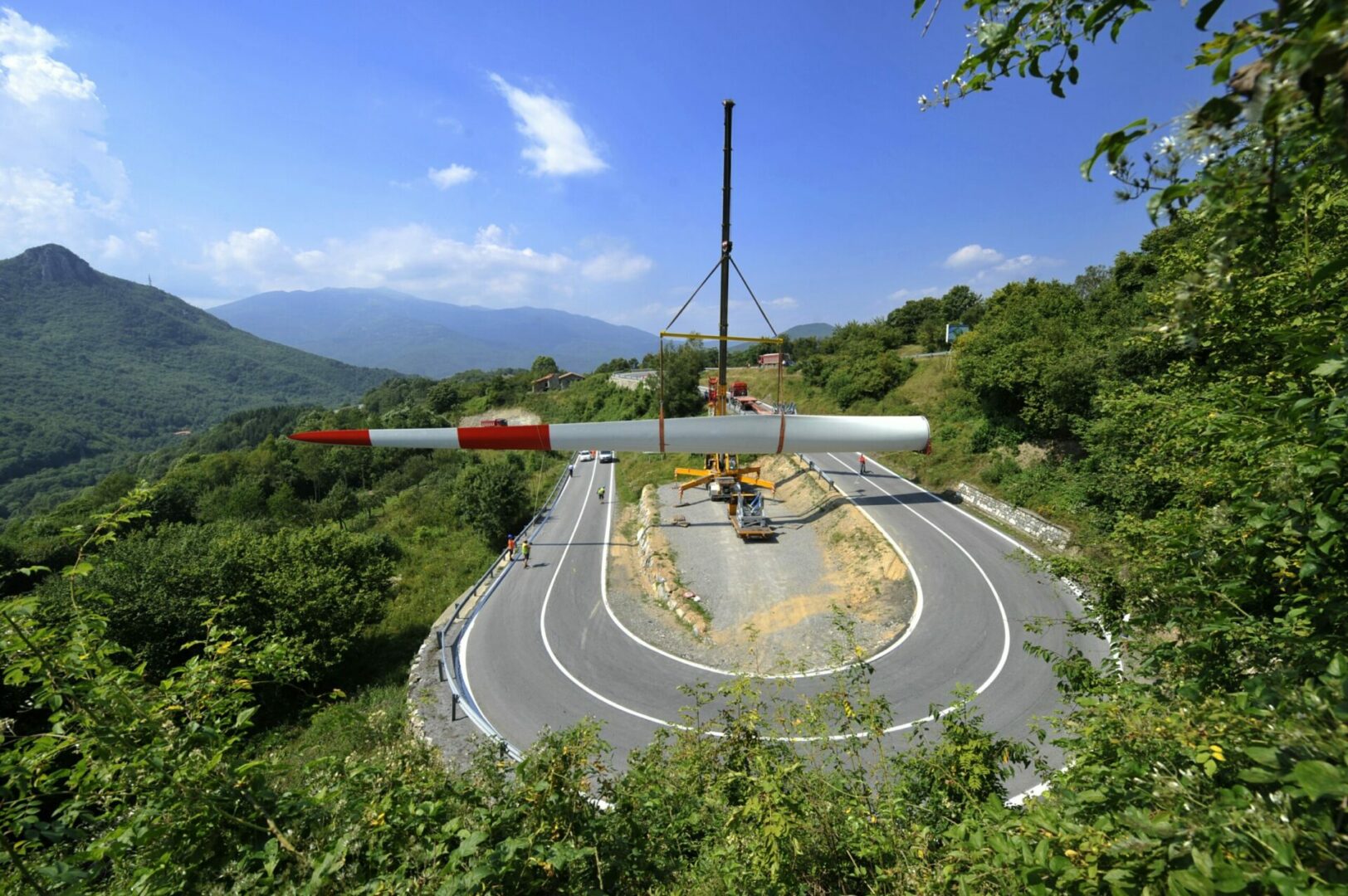
De-comissioning and pre-treatment of wind turbine blades; Sustainable fibre reclamation processes addressing two alternative routes: low carbon pyrolysis and green chemistry solvolysis ; Upgrading processes for the recovered fibres addressing mainly glass fibres as well as carbon fibres.
The 14th edition of Big 5 Construct South Africa will take place across three days at Gallagher Convention Centre in Johannesburg from 9 to 11 June 2026, with the CPD-certified, free-to-attend Big 5 Talks spanning seven themes this year. The...
Ford Motor Company of Southern Africa (Manufacturing) (Pty) Ltd has announced the appointment of long-standing global manufacturing expert Angela Weathers as Plant Manager of its Silverton Manufacturing Plant, effective August 2026. Weathers joins...
The Green Connection and Natural Justice have welcomed the decision by the Supreme Court of Appeal (SCA) to defer a decision whether to grant leave to appeal and direct that a further leave to appeal application by Shell and the State be heard...