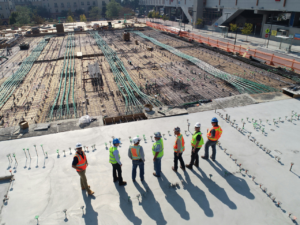
Delays in infrastructure projects harm economies. CESA CEO Chris Campbell explores causes, impacts, and solutions for timely project delivery.
Delays in infrastructure projects are a persistent challenge, particularly in developing economies. These delays, whether stemming from government inefficiencies, funding constraints, or mismanagement, have far-reaching consequences for socioeconomic development. To address this, root causes of delays, their impact on stakeholders, and actionable solutions should be investigated to mitigate them.
Understanding delays in the construction industry
Deviations from planned schedules, whether during the design or construction phase of project, are often caused by a combination of factors, including insufficient planning, inadequate budgeting, and bureaucratic inefficiencies. One of the most significant contributors to delays is the government’s inability to release payments on time. This issue is particularly detrimental to essential services such as schools, hospitals, roads, energy projects and water infrastructure. When funds are delayed or reallocated mid-project, contractors are forced to halt work or operate at a loss. This creates a vicious cycle where projects remain incomplete, costs escalate due to inefficiencies, and service delivery is compromised. These delays have wide-reaching consequences that extend far beyond just project timelines, as it creates a ripple effect across various stakeholders, influencing everything from business sustainability to the quality of completed infrastructure. On the other hand, there are often contractors who do not meet performance standards. In this case, there is also a need for stronger consequences to set the tone for the industry, such as not being allowed to bid for future projects.The tendering system should further outline clear non-negotiables and establish what the consequences of poor performance will be, as implementing these harsh consequences could force companies to improve their performance
Contractors and Consulting Engineers
 Contractors and consulting engineers, especially smaller firms who rely on timely payments to sustain their operations, face significant financial strain when payments are delayed for months or, in some cases, even years. Unlike larger organisations with more robust cash flow systems, smaller firms often lack the financial cushion to weather such delays. This vulnerability can lead to business closures and hinder the growth of skilled professionals within the industry, ultimately limiting overall industry development.
As payment delays accumulate, reputable firms may be less inclined to participate in projects that carry a high risk of non-payment. This reluctance pushes governments and organisations to seek out less-established or lower-quality service providers to step in, thus jeopardising the final output. These compromised projects often result in subpar infrastructure that may not meet safety standards or function effectively, undermining the project’s value and durability.
Contractors and consulting engineers, especially smaller firms who rely on timely payments to sustain their operations, face significant financial strain when payments are delayed for months or, in some cases, even years. Unlike larger organisations with more robust cash flow systems, smaller firms often lack the financial cushion to weather such delays. This vulnerability can lead to business closures and hinder the growth of skilled professionals within the industry, ultimately limiting overall industry development.
As payment delays accumulate, reputable firms may be less inclined to participate in projects that carry a high risk of non-payment. This reluctance pushes governments and organisations to seek out less-established or lower-quality service providers to step in, thus jeopardising the final output. These compromised projects often result in subpar infrastructure that may not meet safety standards or function effectively, undermining the project’s value and durability.
Socioeconomic Development
The ripple effect extends to the communities that rely on infrastructure projects for essential services. When projects are delayed or executed poorly, vital public works, such as roads, hospitals, schools, and utilities, remain incomplete or substandard. These delays and deficiencies negatively impact the socioeconomic development of these communities, further exacerbating inequalities and stalling progress.To mitigate the negative impacts of payment delays and improve the efficiency of project execution, a multifaceted approach is needed. Governments must adopt strategies that promote better planning, streamline processes, and ensure accountability at all levels.
Enhance Government Planning and Management
One of the primary solutions lies in improving government planning and management capabilities. Departments should invest in technical expertise and adopt robust planning mechanisms that ensure projects are budgeted and scheduled realistically. Establishing proper timelines and realistic cost estimations can help prevent project delays from the outset. Furthermore, capacity-building initiatives are critical to improving the skills of government employees responsible for project oversight and management. Another crucial area is streamlining payment processes to ensure timely disbursement of funds. Governments should establish standardised procedures for payment claims, eliminating unnecessary delays in fund transfers. One potential solution is the creation of escrow accounts or suspense accounts, which could help reduce bureaucratic bottlenecks and ensure that funds are released as per contract terms, thus preventing payment delays from escalating. Lastly, enforcing accountability through regular audits is key to addressing inefficiencies in project execution. Audits conducted by independent entities, such as the Auditor-General’s office, should be used to identify inefficiencies, uncover mismanagement, and implement necessary consequences. These audits can promote transparency and ensure that government departments are held accountable for their roles in project delivery, fostering a culture of responsibility and improving the overall quality of public projects.Balancing Risk with Representation

Chris Campbell, CEO of Consulting Engineers South Africa