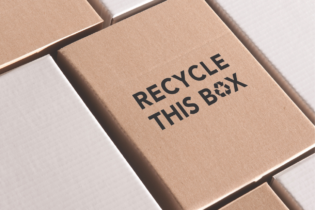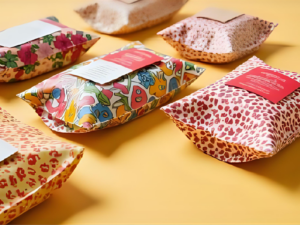
Fibre-based packaging offers a healthier, more sustainable alternative – and it’s good for the economy too.
As Plastic Free July inspires people across the globe to rethink their everyday choices, one easy yet impactful swap is switching to fibre-based packaging. Whether it’s your morning coffee cup or your grocery bags, fibre-based alternatives are a practical, planet-friendly solution that reduces waste without compromising convenience. “Swapping out plastic for fibre-based packaging is one of the simplest ways individuals can make a difference,” says Edith Leetua, CEO of Fibre Circle, the producer responsibility organisation (PRO) for paper and paper packaging.“These small shifts, especially when widely adopted, have the power to reduce waste and drive demand for more sustainable materials.”Fibre-based packaging is made from recycled content like paper and cardboard, or natural fibres, and takes two-thirds less energy to produce than plastic, making it better for the environment.
Better for the planet
Fibre-based packaging breaks down naturally within months, whereas plastics could take decades if not centuries. For example, a plastic-lined paper carton could break down within five years, however, plastic bags never decompose. Instead, they photodegrade when exposed to sunlight causing it to become brittle and start to crack. This is how microplastics develop.Better for your health
The impact of microplastics on human health is becoming harder to ignore. Scientists estimate that adults ingest a credit card’s worth of microplastics each week, tiny particles found in the water we drink, the food we eat and the air we breathe. Early studies link this exposure to health conditions like cancer, heart disease and reproductive problems.
“We can’t completely escape microplastics, but we can make smarter choices,” explains Leeuta. “Choosing fibre-based alternatives for packaging is a simple yet powerful step in protecting our health and environment”.