Pikitup tackles Johannesburg’s waste with weekly collection, education, law enforcement, and community rehab to fight illegal dumping and promote sustainability.
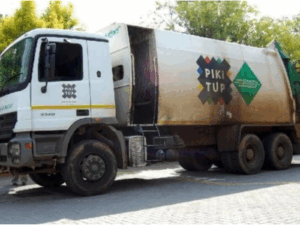
Managing waste is the cornerstone of any functioning city. For Johannesburg, South Africa’s most populous city with 4 million residents, this task is done by Pikitup.
Established in 2001, Pikitup and the City of Johannesburg entered into a Service Delivery Agreement that mandates Pikitup to provide waste management and refuse removal services to the residents of Johannesburg. The entity is also responsible for resource security, environmental sustainability, and good governance in the CoJ. The resources of the company are directed towards the key strategies and priorities envisaged by the National Waste Management Strategy (NWMS) to reduce, reuse, and recycle waste streams. Municipal waste management involves not just the act of collection, but actively fighting against illegal dumping, something that is a challenge in the city of Johannesburg. This, along with changing the environmental landscape, requires more sustainable practices alongside day-to-day operations.Combating illegal dumping
Muzi Mkhwanazi, communications manager for Pikitup
1. Collection
The entity reports that the number one way to prevent illegal dumping is to actively provide refuse removal. “It is key that we provide waste collection services to our residents once a week, both in informal and formal areas. Informal areas are important as they often lack the infrastructure for waste management, and informal settlements represent the chance to really see the benefits of this service.” This service is well planned, and backlogs threaten the entire system, Mkhwanazi says, “We have robust backlog systems in place that prevent and solve them if they do arise.” Part of the collection is communication, and Pikitup states that they send communication out in the event of service interruptions or delays to inform the community of plans to service affected areas. Outside of their mandated collection service, they have implemented dumping clearance where they actively clean up illegal dumping sites and then provide people within the area with refuse bags, as well as ensure the area remains waste free for up to 7 days.“Prevention is always better than cure, and we have 40 garden sites where community members drop waste. We also offer clean building rubble disposal for free at all Pikitup landfill sites.”
2. Education and awareness
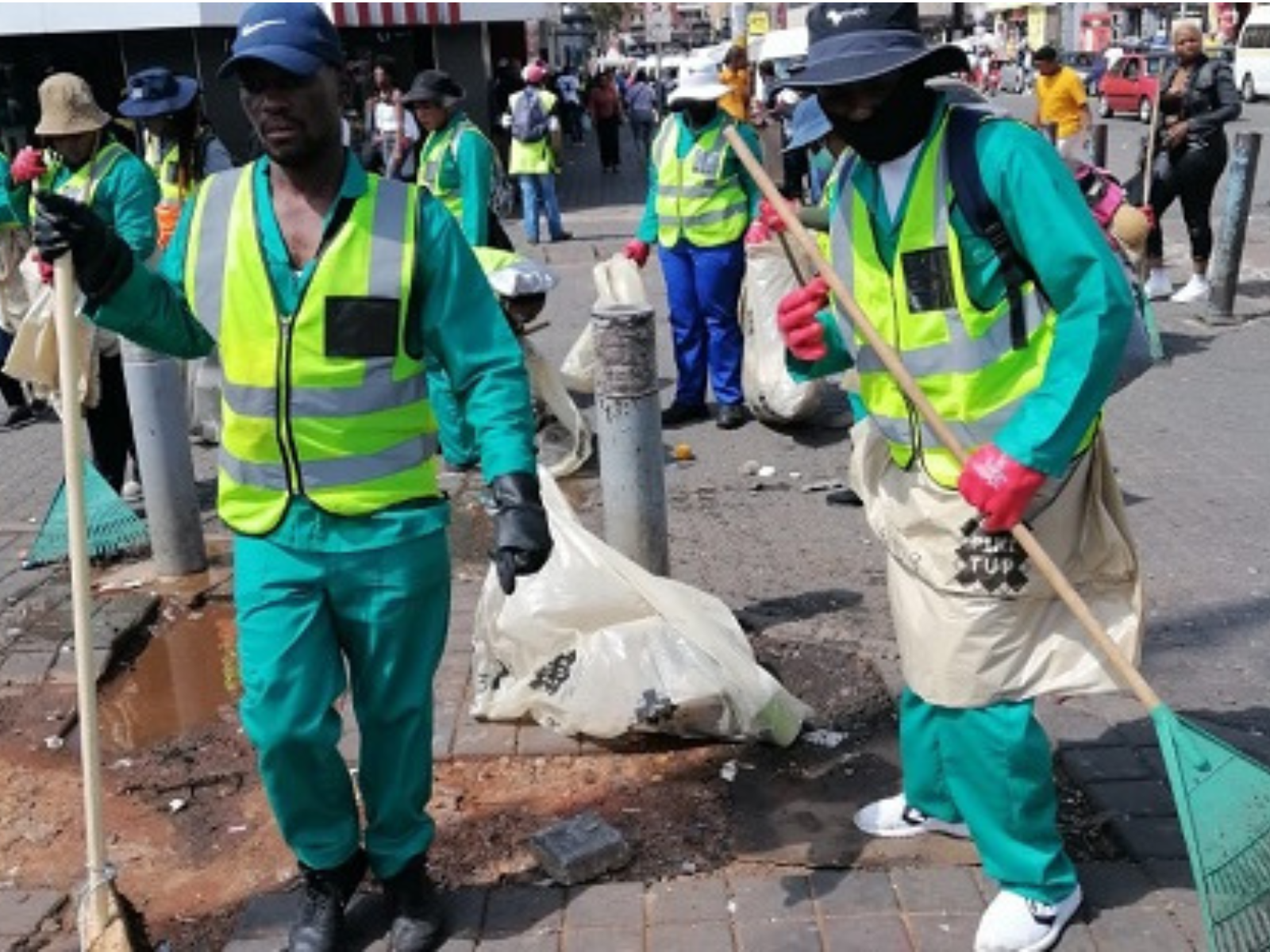 Human behavior dictates the effectiveness of every public project, and actively shaping human behavior is pivotal to the success of Pikitup’s efforts in fighting illegal dumping.
“Our education and awareness strategy takes on a two-pronged approach which is to:
Human behavior dictates the effectiveness of every public project, and actively shaping human behavior is pivotal to the success of Pikitup’s efforts in fighting illegal dumping.
“Our education and awareness strategy takes on a two-pronged approach which is to:
- Create awareness through education.
- Mobilise the community by building an understanding of good waste management practices which includes the reduction of littering and illegal dumping.

Their campaigns cover the prevention of illegal dumping, dos and don’ts relating to illegal dumping in public spaces, pavements, and curb sides. Alongside these targeted campaigns they also engage in ‘blitz campaigns’ at schools, churches, organised cleanups, and door-to-door.
These focus on promoting and educating on waste by-laws, and Mkhwanazi says, “Engaging with the community, especially school children, is the best way to see action and change human behaviour patterns.”3. Law enforcement
Changing human behavior and other long-term approaches are vital, but the reality is that arresting and charging people is just as important in the short term. Pikitup is piloting a 60-person Illegal Dumping Officer squad that works with the Johannesburg Metropolitan Police Department (JMPD) to prevent dumping and enforce the law. Mkhwanazi states, “These officers are permanently deployed in strategic regions. Illegal Dumping Officers work as a conduit between Pikitup and JMPD and act as ambassadors for environmental contraventions. The role of Illegal Dumping Officers is to carry out regular daily patrols and monitor illegal dumping spots, especially by driving and walking around the spots at regular intervals as stipulated in the targeted service areas.”4. Partnerships
Mkhwanazi says, “Illegal dumping is not a one-person issue, nor is it a one organisation issue. We do our best to engage with communities, and we also do our best to engage with other entities, the more people helping, the more successful our efforts will be.” Partnerships are essential for Pikitup’s efforts, and outside of their partnering with JMPD they also partner with community policing forums, residents’ associations, neighbourhood watchers, private security companies and other spheres of government. Partnerships enable the educational campaigns that Pikitup embarks on, as well as create a united front against illegal dumping.5. Rehabilitation
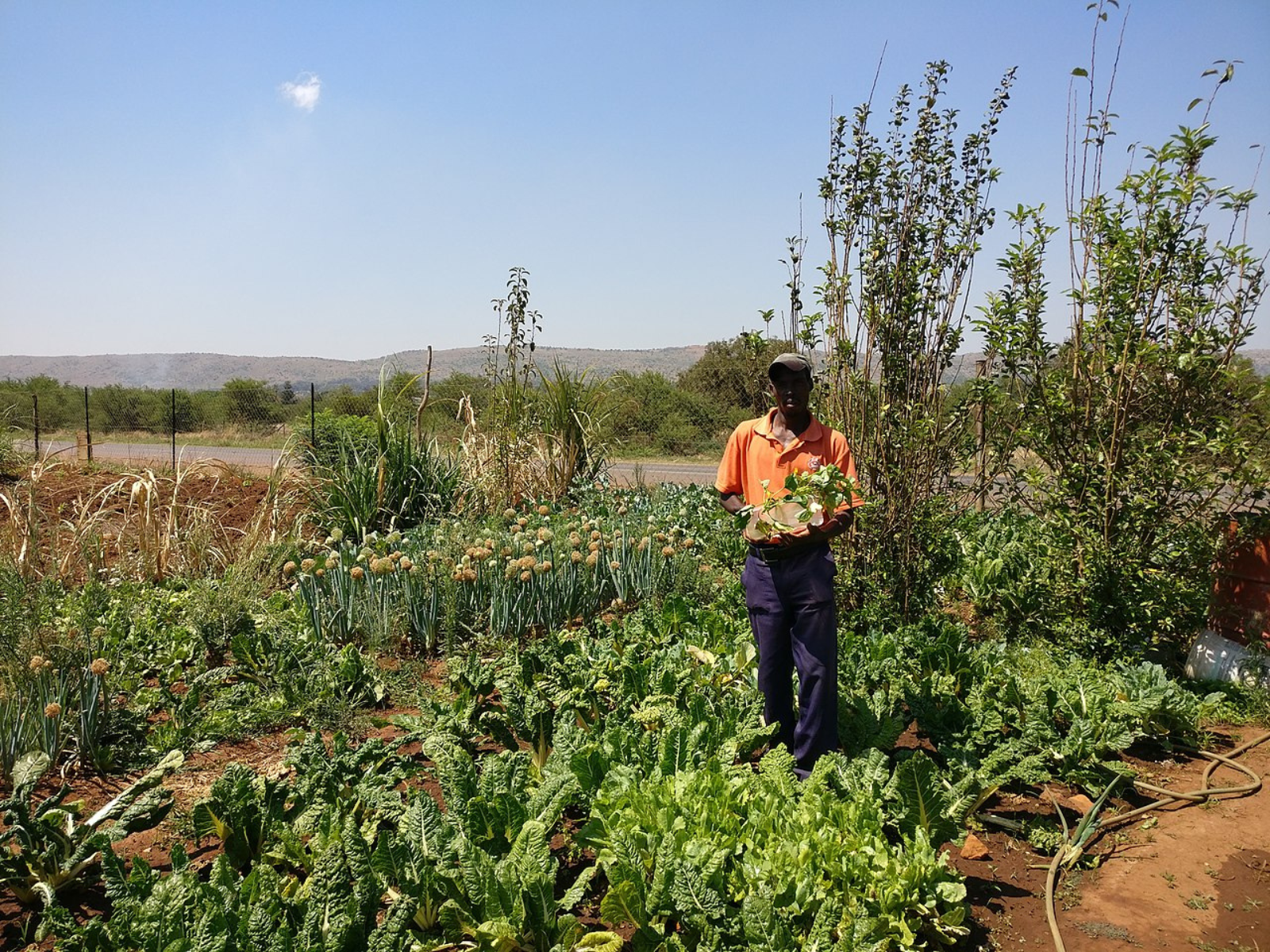
Community vegetable gardens are an effective way to use spaces that were once dumping grounds
KleenaJoburg100 spots campaign
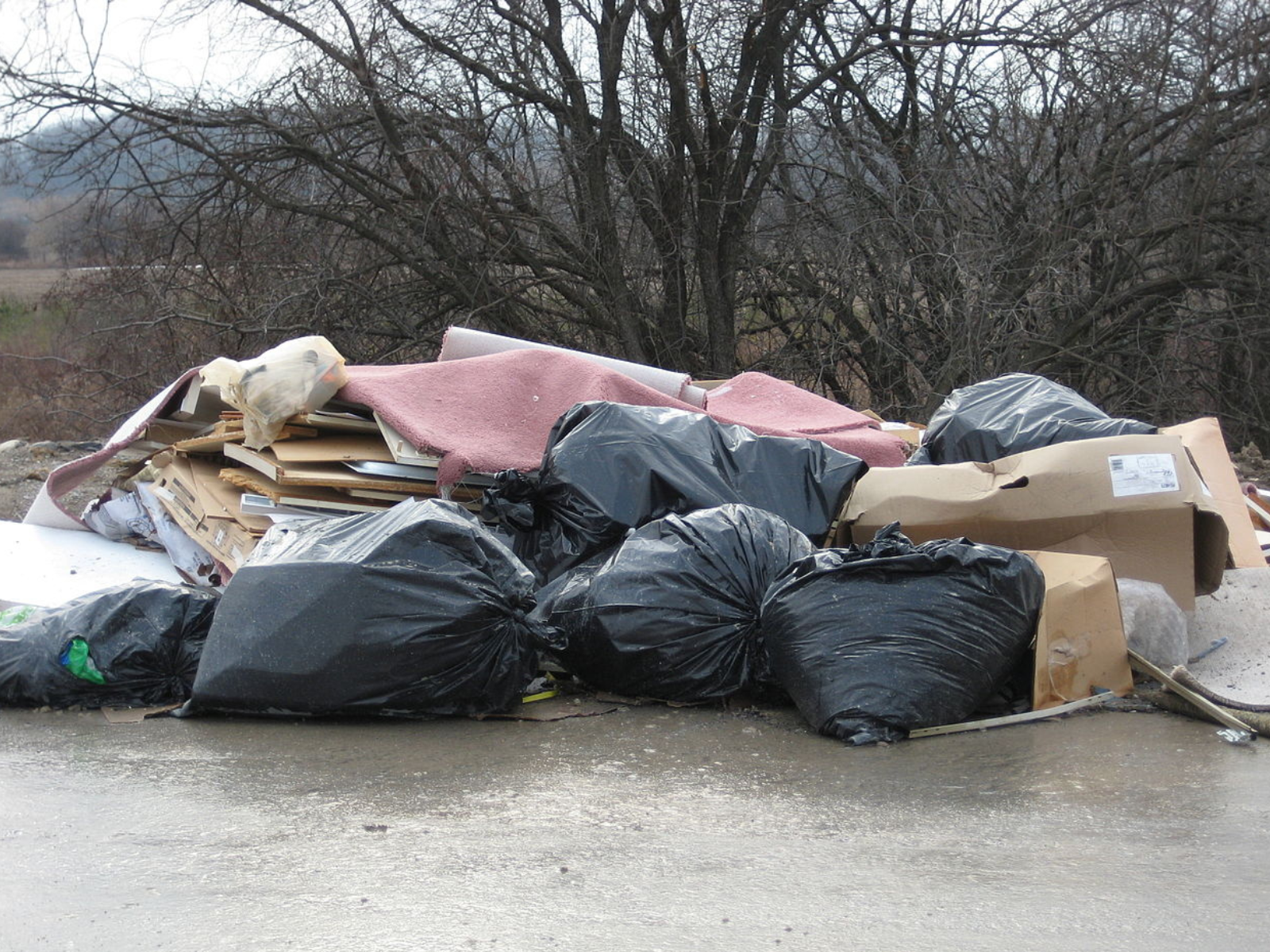 A new addition to Pikitup’s campaigns, the KleenaJoburg100 Spots Campaign launched in June 2025, where the entity aims to integrate its tactics into one cohesive strategy by focusing on:
- Rehabilitation of Illegal Dumping Sites: The campaign will focus on identifying, cleaning, and rehabilitating 100 illegal dumping sites across the municipality, enhancing the aesthetic appeal of public spaces, and reducing environmental hazards.
- Promotion of Sustainable Waste Management: Through education and awareness programs, the campaign will encourage residents and businesses to adopt responsible waste disposal practices, emphasising the importance of proper waste management in maintaining a healthy environment.
- Community Engagement and Participation: The campaign seeks to foster a sense of ownership and responsibility among community members, encouraging them to participate actively in the identification and cleaning of illegal dumping sites.
- Collaboration and Partnerships: By uniting various stakeholders, the campaign aims to leverage resources, expertise, and knowledge to achieve its objectives, demonstrating the power of collaboration in addressing complex urban challenges
Mkhwanazi expands by saying, “While it is our job to implement action plans, we rely heavily on others; waste management works best when many people are involved and understand the goals.”