
Wandile Shezi, a PhD Student at the University of Johannesburg
“Diversifying the energy mix and incorporating renewables is important, but in reality, South Africa is a developing country, and the scale of development required cannot be achieved through renewables alone.”This may sound like ‘going against the grain’ but in reality this is a common view shared by CEO of the South African National Energy Development Institute (SANEDI) Dr Titus Mathe who says: “Renewables are important, but we need to look at replacing baseload if we really want to get serious about our low-carbon goals.” The key to South Africa’s energy transition is the inclusion of ‘Just,’ this reframes this transition as one that actively understands the socio-economic landscape of South Africa. Coal is important to South Africa. “We cannot ignore that South Africa was built by coal. Jobs, towns, legacies are all tied to coal,” adds Shezi. The misconception that renewables can simply replace coal is compounded by this socio-economic factor. The move to a more sustainable energy network must be accompanied by secure jobs, and upskilling. “Entire communities are built around coal, whether its mining, or power production, and taking that away without backup is a recipe for failure, especially considering that renewables do not replace baseload,” says Shezi.
“Renewables are supplemental, or additive, right now with our current technology it simply can’t compete,” adds Shezi.
Komati power station, a lesson learned
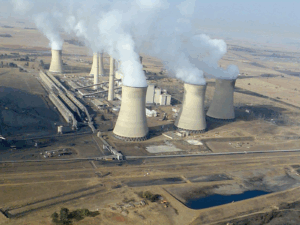
Komati power station served as a pillar for the community that surrounded it. This power plant was commissioned in 1961, and was planned for decommission in 2017, but only actually decommissioned in 2022. The decommissioning came about through a $497 million loan from the World Bank. This loan was to be used for the realisation of JET. However, in the years since the decommissioning, reports, and interviews from grassroots movements, such as the Khutala Environmental Care Group, alongside trade unions within the energy sector, say that Komati has endured a severe economic downturn. While many direct Eskom employees could be moved to different stations, Komati acting general manager Thevan Pillay claimed that the station was supporting 3000 to 4000 people with jobs or contract work when it was operating. The station served as a hub for various towns around the site, and the decommissioning led to a sharp increase in unemployment.
At the time, Eskom chairperson Mpho Makwana described the development as a major step forward in South Africa’s Just Energy Transition to renewables. He emphasised that the funding would enable Eskom to train both its employees and members of surrounding communities, equipping them to remain actively involved in delivering clean energy for the country. The World Bank noted that the project had the potential to serve as a model for a just energy transition not only in South Africa, but globally.
“Pinning the hopes of renewables on a single project in South Africa was not in the country’s best interests, including making South Africa the poster child for renewable energy in Africa. While funding and international cooperation are essential, South Africa needs its own framework and processes outside of European standards to ensure its own future,” says Shezi.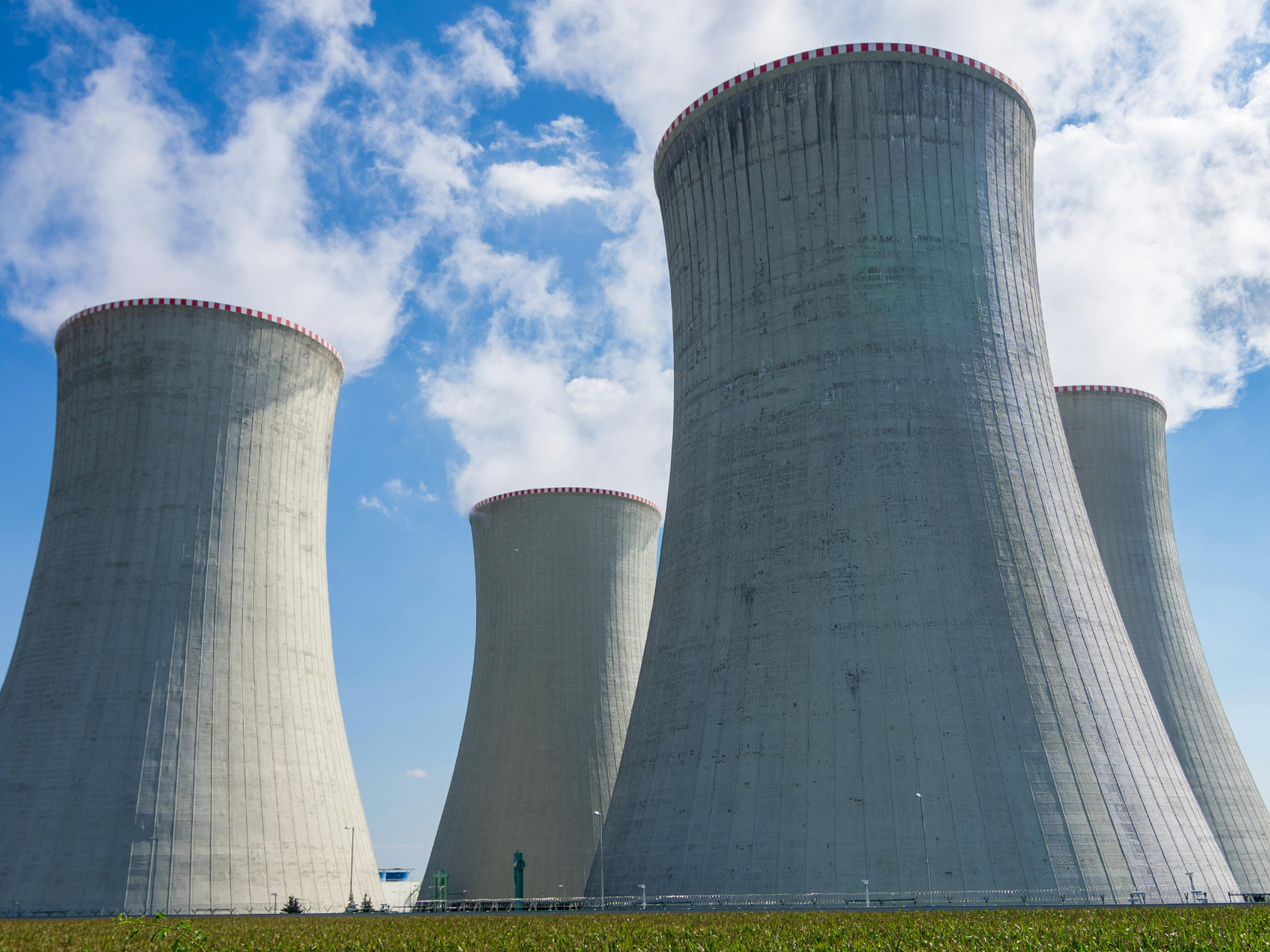
Nuclear is seen as a much greener alternative to coal, with the UN saying without Nuclear, carbon neutrality is out of reach
- Lack of cohesive planning from Eskom and government departments.
- Poor timing and sequencing in the closure of the Komati power plant.
- There was an absence of meaningful engagement with local communities, and workers in the decision-making process.
- The project had a narrow scope, leading to significant job losses with limited economic opportunities for communities around Komati.
“Our jobs ending traumatised us a lot as a community,” says Sizwe Shandu, a former boilermaker at Komati since 2008.On-the-ground situation:
- Only a few small green projects are underway.
- There have been widespread job losses.
- Minimal upskilling or training offered.
- Sharp decline in local economic activity.
What can South Africa do?
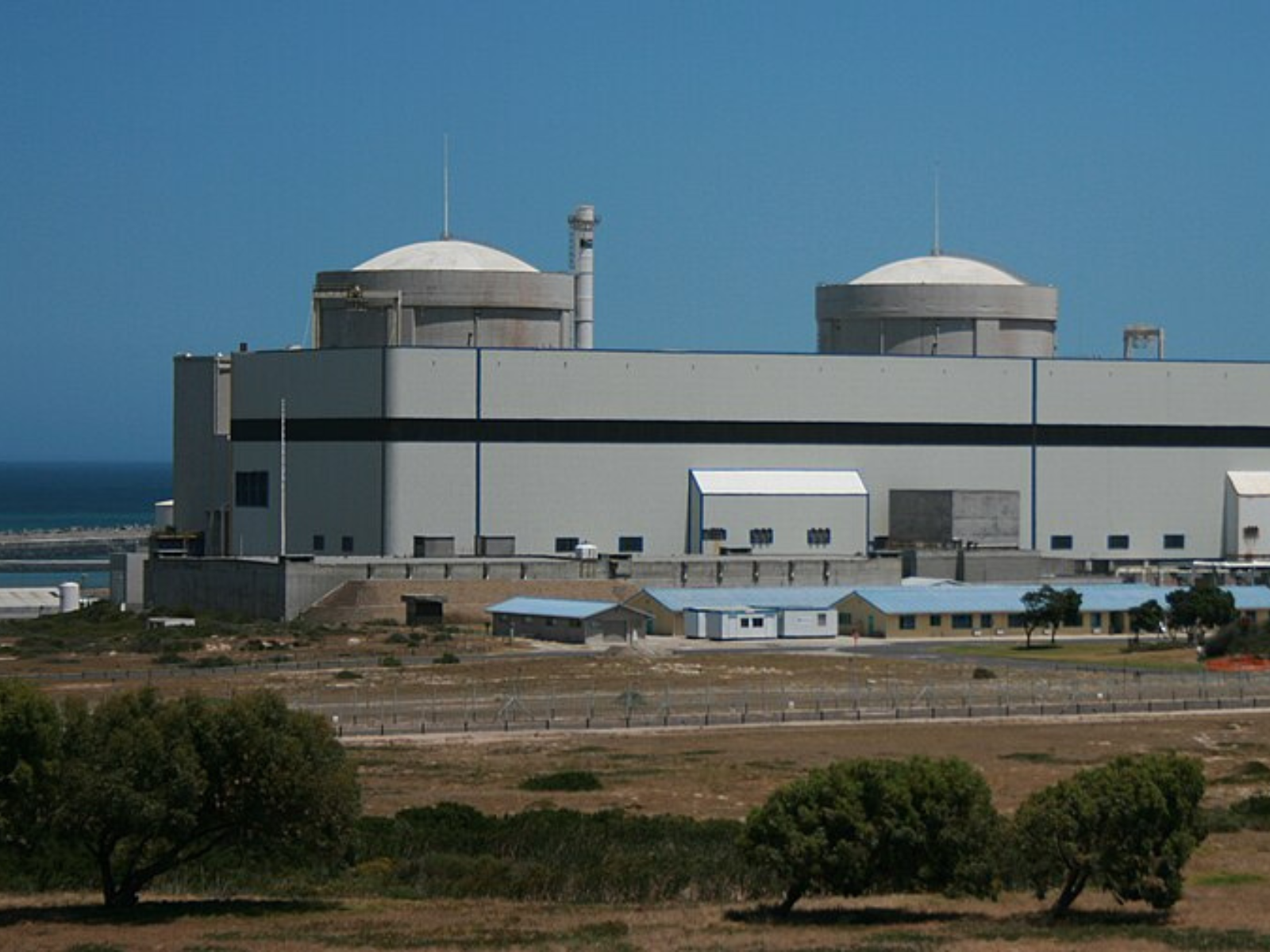
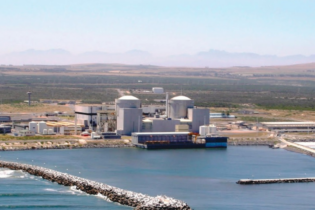
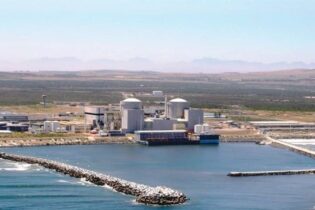
Koeberg nuclear power station has been operating in South Africa since 1961 and creates thousands of jobs every year
In a 2024 speech the UN’s atomic energy division stated, “Without nuclear, decarbonising by 2050 is impossible.”Shezi concludes with “The best time to start building nuclear power plants was 10 years ago, the next best time is right now.”