
Isabelle Hagner, Director of Public Health, MEA, at International SOS
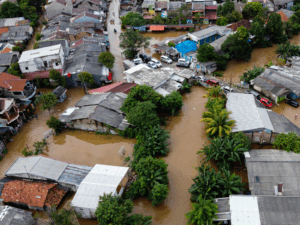
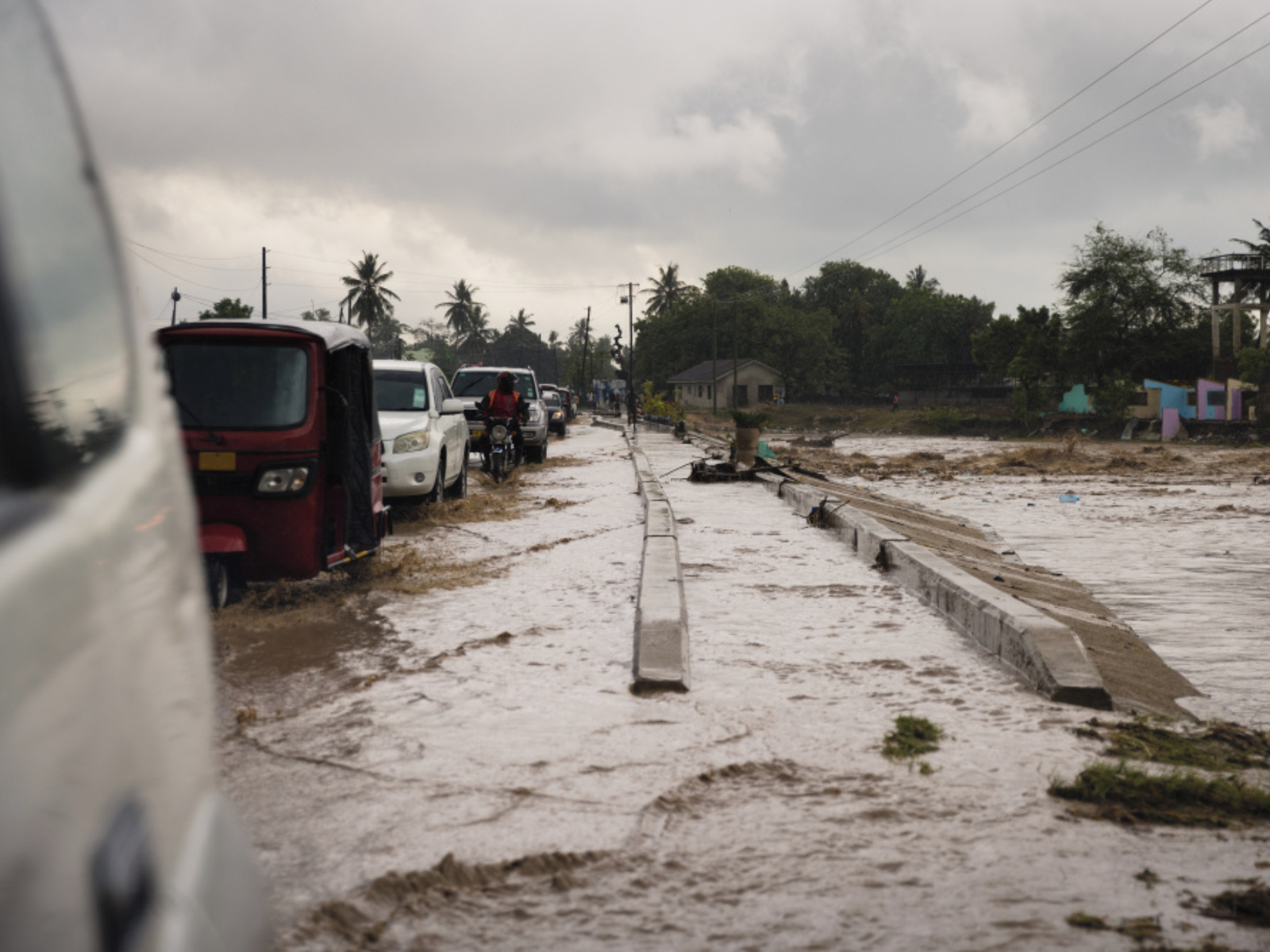
“At International SOS, we see the daily human and business toll of nature-caused disruption. In fact, our own data shows an 80% year-on-year increase in medical alerts linked to extreme weather. Yet despite rising concern, many organisations remain underprepared,” adds Hagner.As organisations confront the complexities brought on by natural hazards and beyond infrastructural damage, they will have to deal with the health implications. Floods, for example, can trigger diseases such as malaria and dengue fever. Furthermore, climate hazard events can also bring people closer to pathogens through forced migration and can contribute to the increases in outbreaks of food- and water-borne diseases such as cholera.
 “Communities inevitably bear the brunt of this risk which is why programmes that empower individuals with health education, regular screenings and the right tools to combat both infectious and non-communicable diseases are invaluable. By investing in resilience at both the workplace and community level, organisations can safeguard lives, sustain productivity, and strengthen long-term stability in the face of climate volatility,” adds Hagner.
This thinking will require an extensive adjustment period for organisations – one they cannot afford to delay. Anticipating, assessing, and adapting to these risks is key to ensuring the right support systems are in place for employees and operations to withstand extreme weather events. The ripple effects are powerful: healthier workplaces create healthier communities, reinforcing resilience at every level.
“The growing challenges around climate and health risks are not unique to Mozambique but are being felt globally. Our own data is also a stark reminder that the health impacts of natural hazards are escalating rapidly. Tackling these challenges cannot be done in isolation. It requires collaboration between organisations, governments, and communities to protect workforces, enhance community health, and advance progress toward critical sustainable development goals. By aligning workplace resilience with community resilience, we can safeguard employees, support healthier societies, and strengthen the foundations for a sustainable and resilient future,” concludes Hagner.
“Communities inevitably bear the brunt of this risk which is why programmes that empower individuals with health education, regular screenings and the right tools to combat both infectious and non-communicable diseases are invaluable. By investing in resilience at both the workplace and community level, organisations can safeguard lives, sustain productivity, and strengthen long-term stability in the face of climate volatility,” adds Hagner.
This thinking will require an extensive adjustment period for organisations – one they cannot afford to delay. Anticipating, assessing, and adapting to these risks is key to ensuring the right support systems are in place for employees and operations to withstand extreme weather events. The ripple effects are powerful: healthier workplaces create healthier communities, reinforcing resilience at every level.
“The growing challenges around climate and health risks are not unique to Mozambique but are being felt globally. Our own data is also a stark reminder that the health impacts of natural hazards are escalating rapidly. Tackling these challenges cannot be done in isolation. It requires collaboration between organisations, governments, and communities to protect workforces, enhance community health, and advance progress toward critical sustainable development goals. By aligning workplace resilience with community resilience, we can safeguard employees, support healthier societies, and strengthen the foundations for a sustainable and resilient future,” concludes Hagner.