Water is essential for all life and plays a critical role across various industries and their processes. In Southern Africa’s water and wastewater sector, effective disinfection is key to ensuring drinking water is safe for communities and treated wastewater complies with regulatory standards, protecting both public health and the environment.
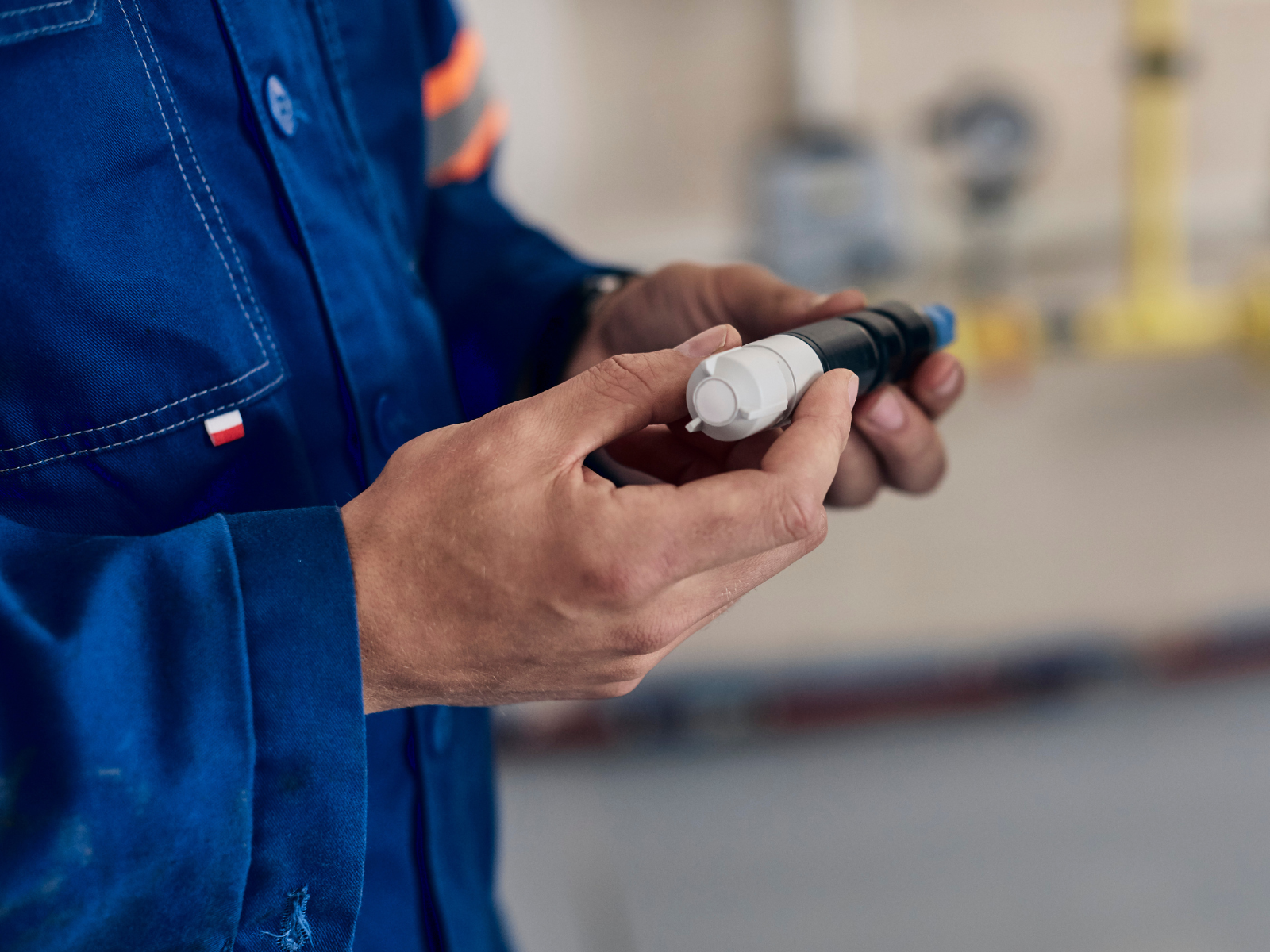
Effective disinfection methods translate to safe drinking water and wastewater compliant with regulatory standards. Monitoring disinfectant levels is vital to ensuring proper disinfection, and Endress+Hauser’s range of disinfection sensors is designed to monitor and control disinfectant levels in the treatment process.These sensors can detect and measure disinfectants like chlorine, total chlorine, free chlorine, ozone and bromine. As the disinfection process becomes increasingly important, the correct sensor is imperative.
Endress+Hauser’s range of sensors
- Endress+Hauser’s disinfection sensors are equipped with Memosens 2.0, enabling highly accurate digital data transmission. The raw measured values are converted into digital signals and transmitted. This eliminates issues previously associated with analogue signal transmissions, such as interference and signal loss.
- With the Memosens Technology, these sensors are also ‘plug-and-play’. The sensors are delivered pre-calibrated from the factory and can be easily connected and commissioned to ensure that the setup is performed seamlessly.
- Endress+Hauser disinfection sensors respond quickly, ensuring swift reactions to changes in processes and more efficient process control.
- These sensors also store data, including calibration information, simplifying maintenance and prolonging calibration intervals.
- Reagents are not required for operation, thus reducing the overall operating and maintenance costs.
- The disinfection sensors are designed to operate in harsh environments, including high humidity, extreme temperatures and under aggressive chemical conditions.
Applications in the water and wastewater industry
Efficient and accurate monitoring is vital

With an ever-increasing focus on sustainability, industrial water reuse has become a critical practice. Endress+Hauser disinfection sensors can be used in industrial water plants to monitor and control the quality of reused water. Ensuring accurate disinfectant measurements that meet the required standards supports sustainable water management practices. Industrial plants can optimise their water reuse processes, reduce chemical input, and ensure a safe water supply. This is particularly important in industries such as food and beverage plants, where the quality of water is critical to product safety and quality.
As the demand for high-quality water continues to grow, the need for effective disinfection processes cannot be ignored. Endress+Hauser’s disinfection sensors can be relied upon to provide accurate, cost-effective solutions for monitoring disinfection levels. Endress+Hauser is committed to ensuring excellence in measurement processes and disinfection practices, thus ensuring the water and wastewater industries are able to meet their disinfection needs and to ensure a sustainable and safe water supply for future generations to come.Endress+Hauser disinfection sensors
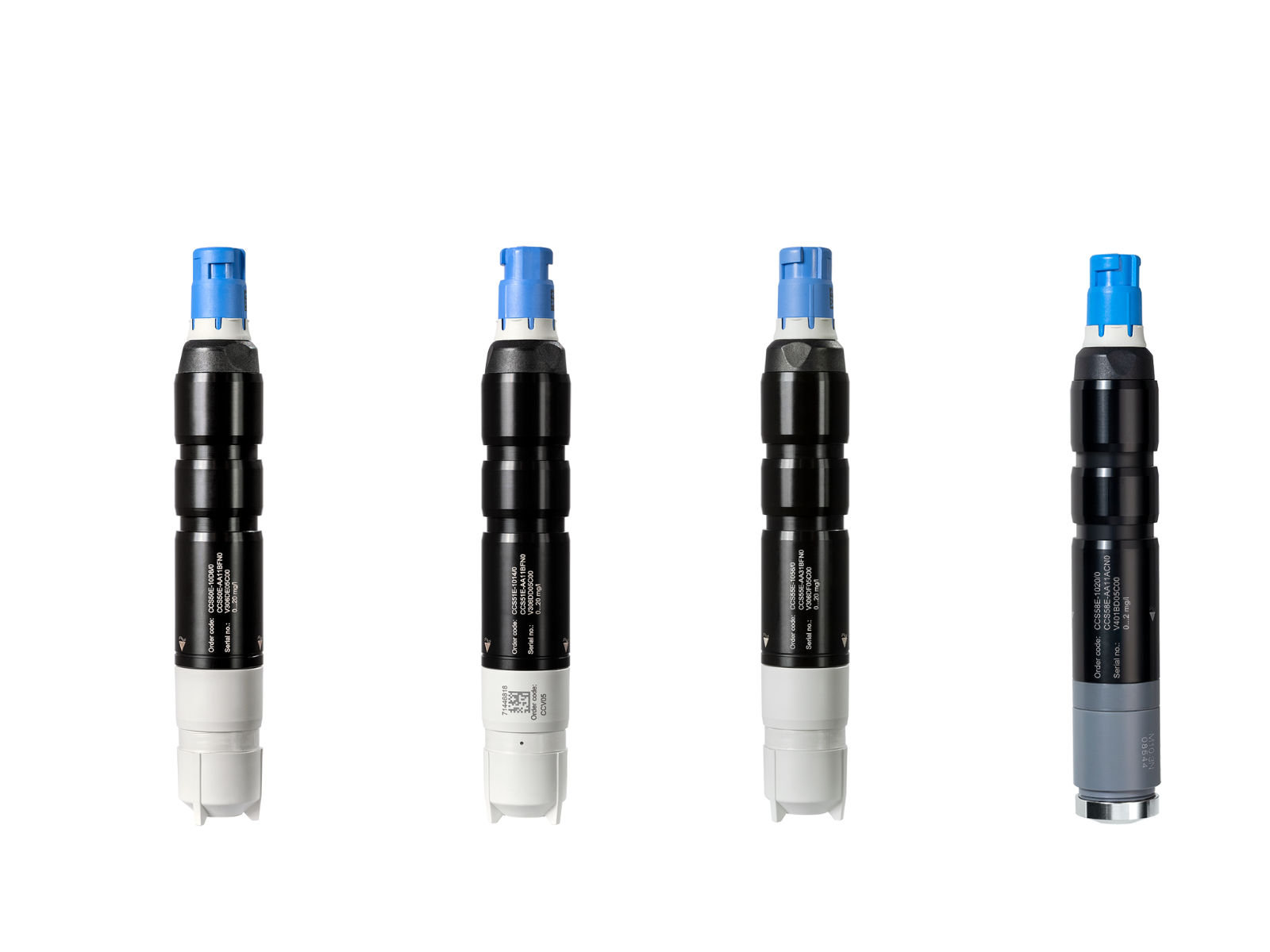
- Memosens CCS50E for Chlorine Dioxide – Commonly used in the drinking water network, process water, utilities and reverse osmosis plants
- Memosens CCS51E for Free Chlorine – Used in the drinking water network, process water, utilities and swimming pools
- Memosens CCS53E for Total Chlorine– Process water and wastewater treatment plants
- Memosens CCS55E for Free Bromine– Water desalination plants, swimming pools, thermal baths, process water, marine applications and fish farming
- Memosens CCS58E – Water treatment process, wastewater, process water and in pipes.
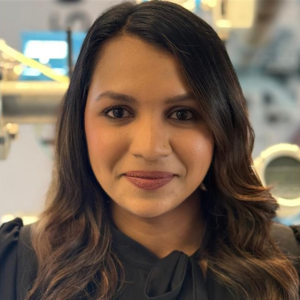
Terene Govender, junior water and wastewater industry developer, Endress+Hauser