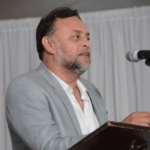
Nazier Marthinus, general manager of WasteMart
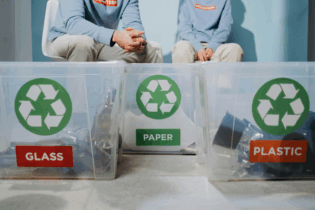
“Back then, compliance wasn’t even a word we worried about,” he adds. “Now, you need a licence in every city you operate in. The rules are stricter, but that is a good thing; it keeps people from taking shortcuts.”One of WasteMart’s significant contributions to municipal waste systems was the introduction of Cape Town’s first two bag recycling programme. The City of Cape Town put out the tender for a company to assist in this project, and on the strength of WasteMart’s methodology proposal Cape Town chose them to help roll the programme out. The initiative separated household waste into general refuse and recyclables for collection. “We wrote the proposal for the City and rolled it out ourselves,” says Marthinus.
“Residents used two bags: one for general waste and one for recyclables, which we collected separately. That is still how the city does it today.”Initially piloted in Parklands, Pinelands and Blaauwberg, the system reportedly diverted approximately 160 tonnes of recyclables per area from landfill each month. “It was a major shift in mindset,” he notes. “Even Johannesburg wanted to know how we did it.”
Investment in biogas and circular technologies
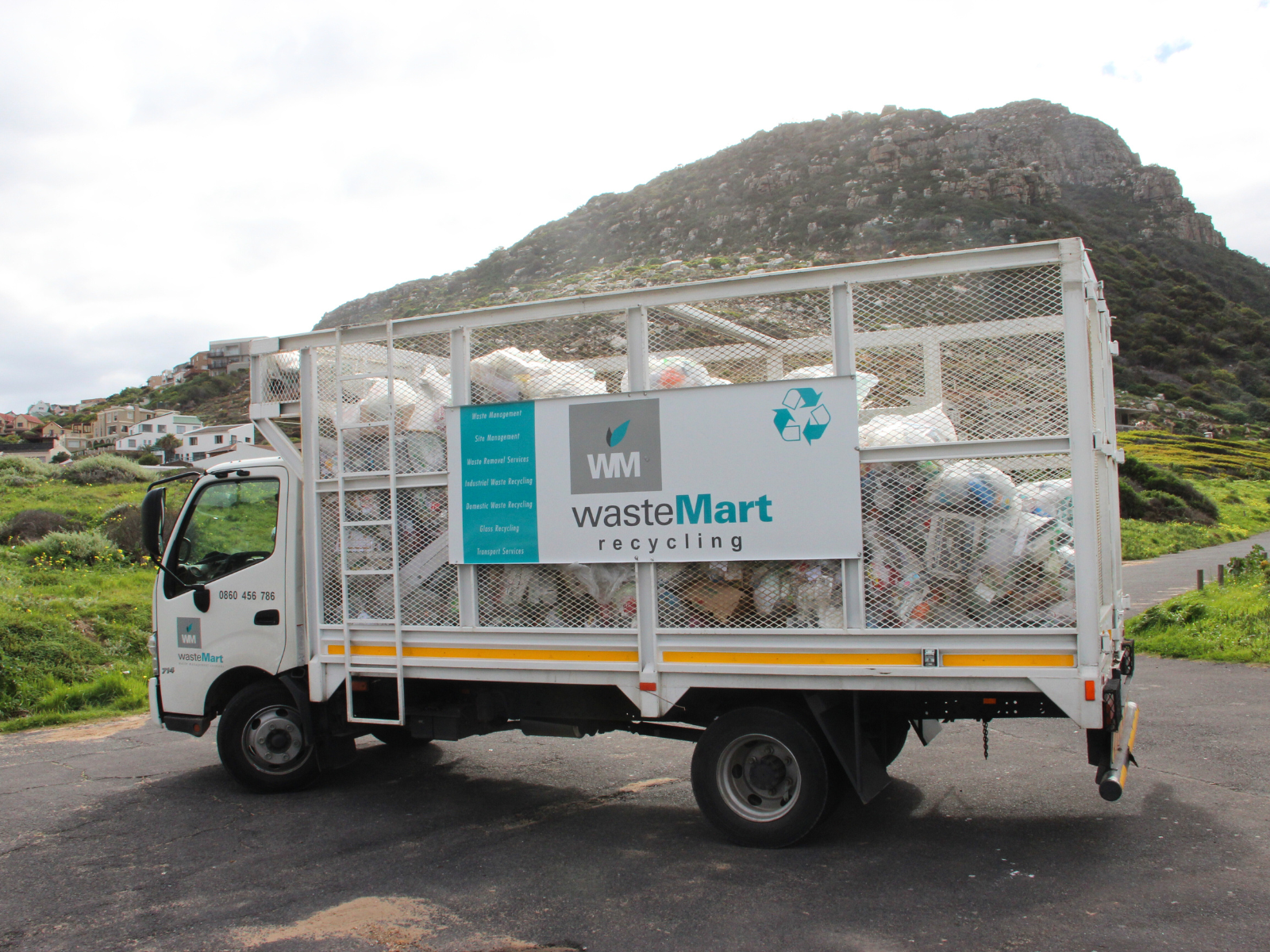
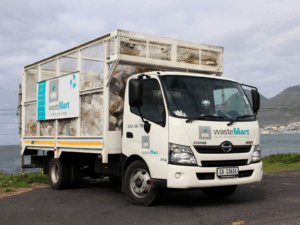
From humble beginnings WasteMart are now a cornerstone of waste management in the Western Cape
“We try to practice what we preach, from reducing our own electricity and water use to setting 12-month improvement plans. Clients notice when you are serious about it.” This operational consistency has supported long-term relationships with both municipal and private sector clients. “Doing the right thing and doing the hard work keeps clients with you,” he adds.
Technological innovation and efficiency
The company has adopted technological solutions to enhance efficiency in collection and logistics. “As far back as 1994, we had satellite tracking in our vehicles,” says Marthinus. “We worked with old SMS-based systems and antennas on computers. Now we have GPS, cameras in every vehicle, and route tracking. It has helped us make operations much more efficient.” These technologies enable real-time operational oversight and data-driven decision-making.“Technology has always been part of how we stay competitive,” he continues. “We plan to use it even more effectively once our biogas contractor is fully on site and vehicle conversions begin.”
Collaboration with the informal recycling sector
WasteMart is a leading collector of cullet, or recycled glass
EPR and regulatory alignment
Extended Producer Responsibility (EPR) regulations have introduced a more structured framework for accountability in the waste industry. Marthinus recognises these developments as a positive evolution, noting that the new policies encourage transparency and support industry-wide compliance. “EPR has given the industry more legs to run,” he observes. “It has made compliance more transparent and easier to navigate, especially with PROs supporting the process. The bans on liquids and organics make sense; they push everyone towards sustainable waste management.”Outlook and local development
While WasteMart has the capacity for expansion, its current focus remains on strengthening operations within the Western Cape. “We’d like to expand,” Marthinus says, “but I believe there is still so much opportunity here. Smaller municipalities and factories in outlying areas need sustainable waste solutions; that is where we are focusing for now.” He highlights the importance of source separation at the production level. “If factories separate waste properly from the start, everything improves,” he explains. “This reduced double handling, and the transportation costs which results in better pricing, more efficient recycling, less contamination, and the whole value chain benefits.” reduce double handling, reduce transports, more WasteMart’s trajectory reflects the ongoing professionalisation of South Africa’s waste management sector. From early recycling initiatives to investments in biogas and digital logistics, the company demonstrates how private operators can align commercial objectives with environmental performance.“It’s not easy balancing everything,” Marthinus concludes, “but if you keep doing the right thing, the right clients will find you. That is how we have survived for more than 30 years, and that is how we will keep growing.”