
Rudi Clark, regional manager of the Kwa-Zulu Natal branch of the Litterboom Project
Clark elaborates, “There are major efforts to find a sustainable and grand solution to litter, waste not properly discarded, but while that is happening, there must be a concerted effort to lessen the harm already done.”The Litterboom Project is an NPO comprising of people passionate about cleaning South Africa’s river and ocean systems, according to their website act as “a last line of defence.” For Clark, this means that while these larger solutions are being developed, the problem of litter doesn’t stop, “When we are looking for solutions to plastic waste, plastic waste doesn’t stop coming in. The actions to clean up what has already happened only aid the future plans to prevent the litter altogether.”
What is a Litterboom?
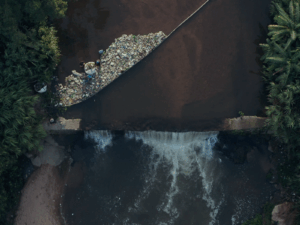
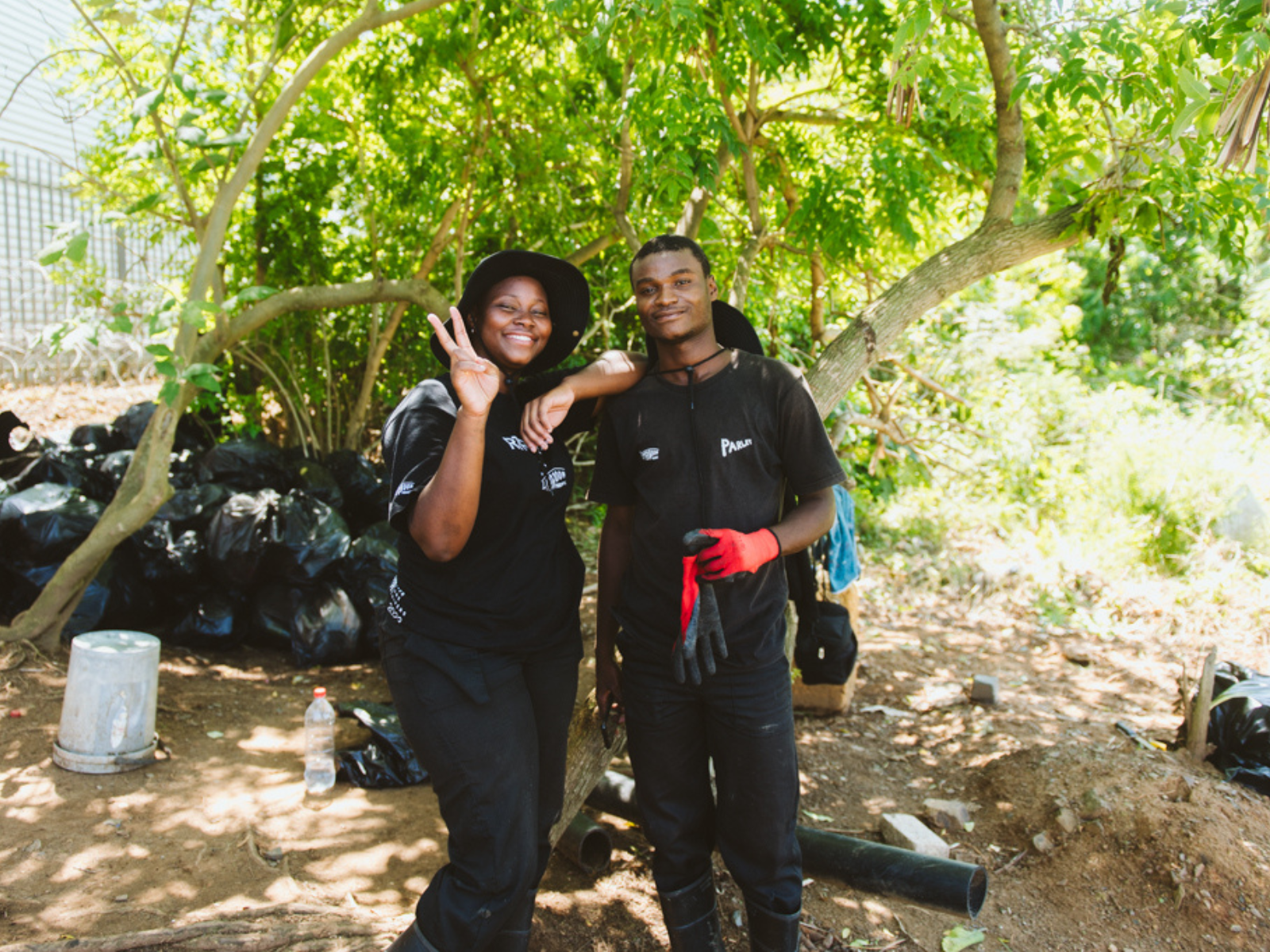
A litter boom is a long tube structure that sits atop a flowing river, connected to either side of the bank. This then allows the river to flow unobstructed, without disrupting marine life while catching floating waste. “The design fits the purpose of stopping larger, floating waste like plastic from flowing into the ocean. It does not extend below the surface or use nets because this would disturb marine life, but also because the excess weight of the waste being pushed up against the boom would require a lot more engineering and a more expensive setup,” adds Clark. Operating in Kwa-Zulu Natal (KZN) and the Western Cape, the Litterboom project aims at setting these booms up in strategic locations to reduce the amount of litter going into the ocean and provide an accessible way to remove litter from the river. Clark explains, “We identify the major rivers. In KZN, we focus on the rivers around the Durban CBD, for example, and we move upstream to locate a source of litter, usually an unplanned settlement. From here, the boom is set up, and we employ ‘River Wardens’ from that community whose job is to monitor the site and aid in data collection and reporting. We also move further upstream and boom tributaries.” A river warden is assigned an area, not just one boom, and Clark says that this boom and employment process becomes a bridge into that community. “Community engagement and working with the community are essential to the broader efforts of sustainability. Education and cooperation come with the infrastructure and engagement.”Understanding the roots of litter
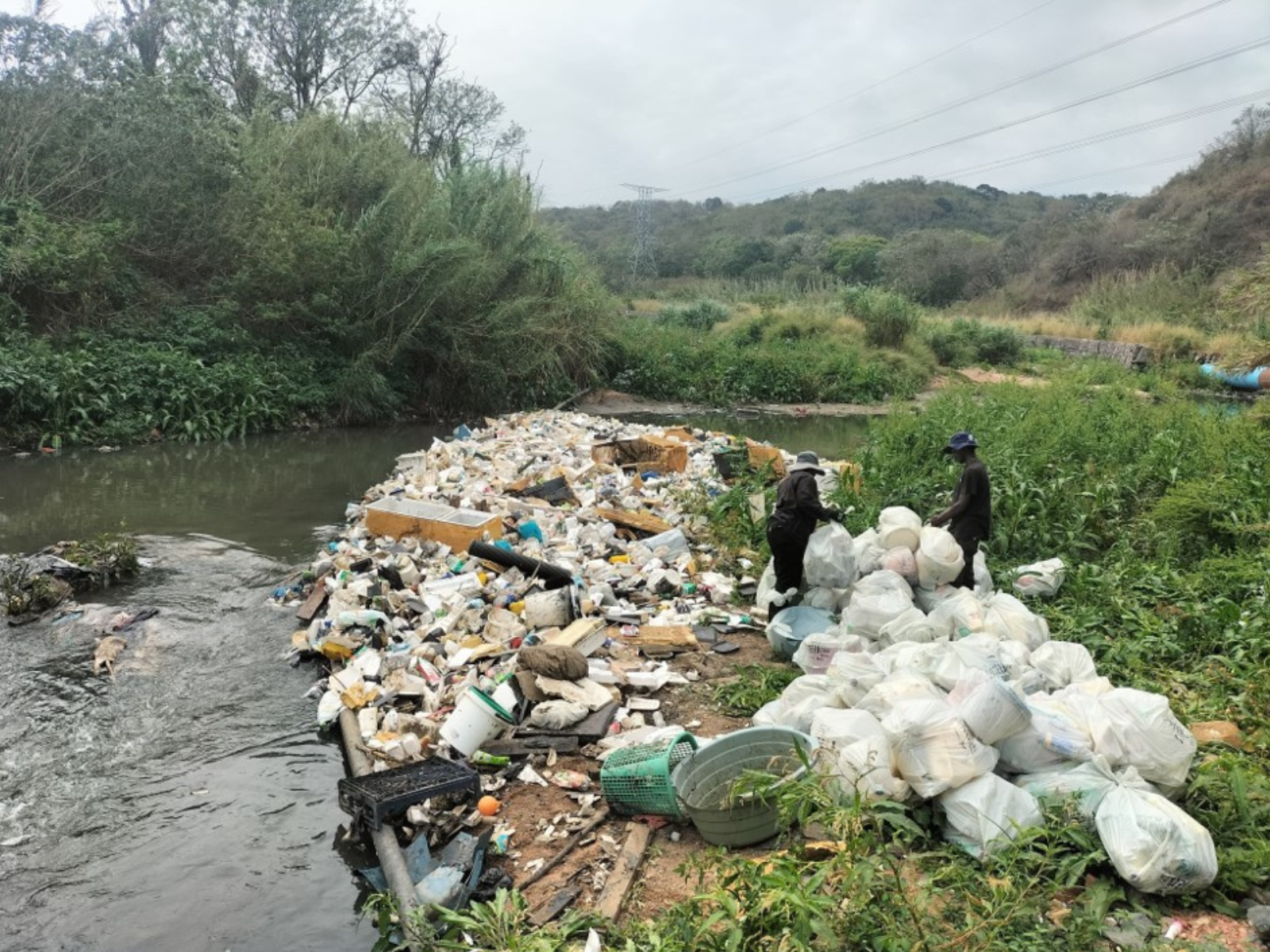
The surface action of the litterboom means that marine life is not disrupted

Tackling infrastructure and education together
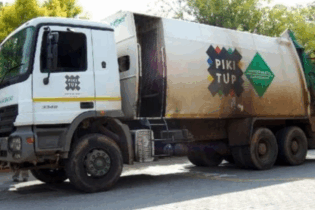
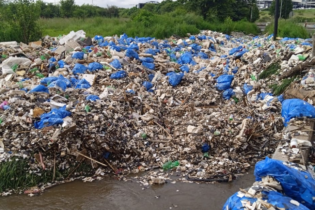
Clark believes that infrastructure must underpin any educational approach. “You can tell people to use a bin, but if there’s no bin, or if bins aren’t emptied, that education means nothing,” he says.“In some under-resourced areas, even if a bin exists, it’s not serviced, and waste piles up until it becomes an illegal dump site. Infrastructure is critical to create that sense of order, bins on the roadside, regular collections, trucks that remove waste. Add recycling to that, and it’s already a major improvement.”While some argue that communities should take the lead in centralising their own waste, Clark questions whether that’s realistic. “It’s a good idea in theory, but communities can’t be expected to self-organise waste management entirely. It needs collaboration between residents, municipalities and organisations like ours.”
Why a “last line of defence” still matters
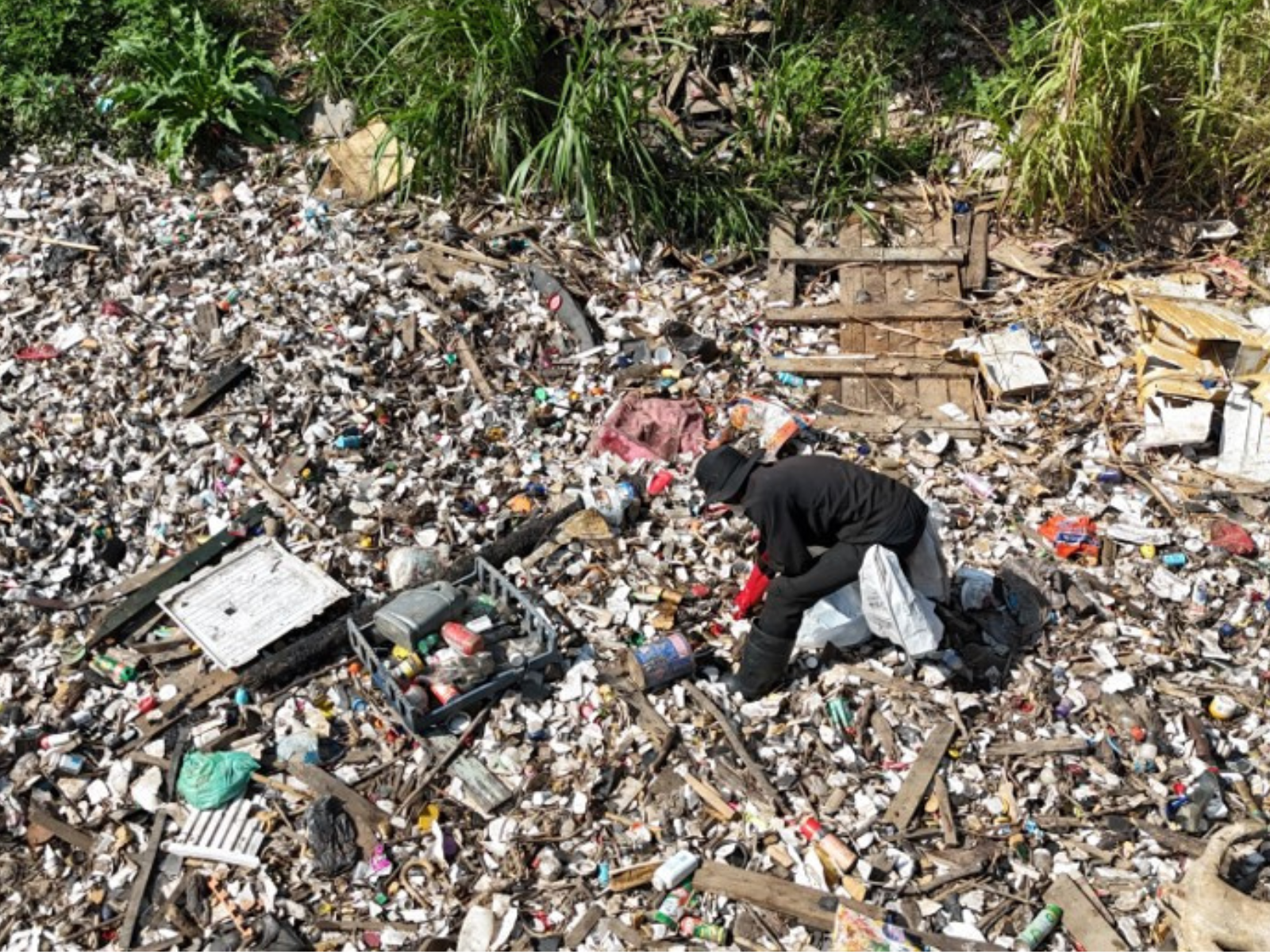
The waste collected by a litterboom, while the boom does not go below the surface, the waste collected is still substantial
What happens to the collected waste?
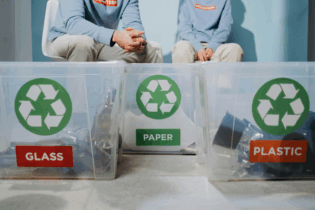
The waste intercepted by the booms is sorted and processed as far as possible. “We apply zero discretion to what we collect; it all comes out,” Clark says. “We then sort it on site. We send PET, HDPE and polypropylene for recycling, while the rest, often too contaminated, is prepared for landfill. In Cape Town and KZN, we work closely with municipalities to manage this.” Revenue from recyclables is reinvested into operations, keeping trucks running, paying drivers and maintaining sites. “It’s not profit-driven,” Clark notes. “It’s about sustaining the work.” The litter caught varies, but patterns have emerged from years of audits. “We see medium to large pieces, rigid plastics, polystyrene, nappies, flexible plastics,” Clark explains. “Smaller fragments tend to wash downstream or appear at beach clean-ups. Cans are rare because they’re usually recycled already, and glass sinks. But plastic remains the overwhelming problem.”Beyond clean-ups: Building community legacies
 Clark is candid about the project’s limitations. “Beach clean-ups and litterbooms aren’t the full solution,” he says, “but they’re catalysts. Once we’ve established a presence in a community, other things start happening, like setting up reclaimer networks, supporting recyclers, and running school education programmes. Those are the land-based solutions we want to build on.”
The goal, he adds, is not just cleaner rivers but more connected communities.
Clark is candid about the project’s limitations. “Beach clean-ups and litterbooms aren’t the full solution,” he says, “but they’re catalysts. Once we’ve established a presence in a community, other things start happening, like setting up reclaimer networks, supporting recyclers, and running school education programmes. Those are the land-based solutions we want to build on.”
The goal, he adds, is not just cleaner rivers but more connected communities.
“If we could leave behind a legacy, it would be that Litterboom helped clean up Durban’s and Cape Town’s rivers and beaches, but also that it created local jobs and raised environmental awareness.”For South Africa’s waste sector, the message is clear: while systemic reform remains essential, the immediate fight against litter continues daily, in every stream, tributary, and community that a litterboom quietly protects.