South Africa is facing an escalating illegal dumping crisis that poses severe threats to public health, environmental sustainability, and economic prosperity.
According to the United Nations Environment Programme (UNEP) International Environmental Technology Centre in partnership with South Africa’s Department of Environment, Forestry and Fisheries (DEFF) and the Council for Scientific and Industrial Research (CSIR), South Africa generates approximately 12.7 million tonnes of household waste per annum with approximately 3.67 million tonnes* of this waste are not collected and treated through formal waste collection systems, resulting in large amounts being illegally dumped.Scale of the crisis
The magnitude of South Africa’s illegal dumping problem is staggering. Annually, more than 180,000 tonnes of waste are removed from illegal dumping hotspots at a cost of R350 million** to taxpayers. Cleaning up illegally dumped waste costs twenty times more than regular waste collection, placing added strain on stretched municipal budgets.Environmental impact
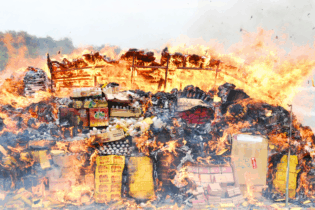
The impacts of illegal dumping are myriad; these include the devastating pollution of rivers, wetlands and dams; increased leachate levels which seep into groundwater, contaminating drinking water supplies for communities; and wreaking havoc on stormwater drains that become blocked. In addition, the burning of waste at illegal dumping sites releases toxic fumes and greenhouse gases, drastically affecting air quality, with methane emissions also negatively contributing to climate change.Economic impact
Outside of the estimated R350 million annual cleanup costs, illegal dumping imposes substantial hidden economic burdens such as increased healthcare costs to deal with pollution-related diseases, higher fees to repair damaged infrastructure, reduced tourism appeal in specific areas and decreased property values.
Who’s guilty?
While communities in underserviced areas are largely blamed for illegal dumping, the evidence paints a far more complex picture. The presence of thousands of plastic cups, Styrofoam containers and large polystyrene blocks in river systems indicates significant industrial and commercial culpability.
Mervin Olivier, Chairperson of the Eastern Cape Branch of Institute of Waste Management of Southern Africa (IWMSA)