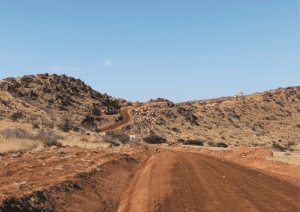
Concor is demonstrating its strong commitment to environmental stewardship at Mulilo De Aar 2 South Wind Energy Facility in the Northern Cape by going beyond compliance to actively protect biodiversity, manage resources responsibly and rehabilitate disturbed areas using indigenous vegetation.
Concor’s role in the construction of Mulilo De Aar 2 South Wind Energy Facility in the Northern Cape, one of the company’s first fully wrapped Balance of Plant (BoP) contracts, extends far beyond engineering and project delivery. With a firm commitment to environmental stewardship, the company is ensuring that its operations meet the highest standards of compliance while actively protecting biodiversity and managing sensitive ecosystems in the Northern Cape.
The company’s environmental approach is guided by strict adherence to the project’s Environmental Authorisation (EA), Environmental Management Programme (EMPr) and all other relevant permits and licences. Beyond regulatory compliance, Concor embeds best practice environmental management principles throughout the project. According to Zimasa Nodangala, Environmental Officer on the project, this approach forms part of Concor’s culture of accountability and responsibility.“Environmental protection is not a box-ticking exercise for us,” she explains. “We see it as part of how we build – responsibly, ethically and in partnership with the environment. Every activity on site is managed to minimise impact, whether it relates to dust control, water conservation or biodiversity protection.”
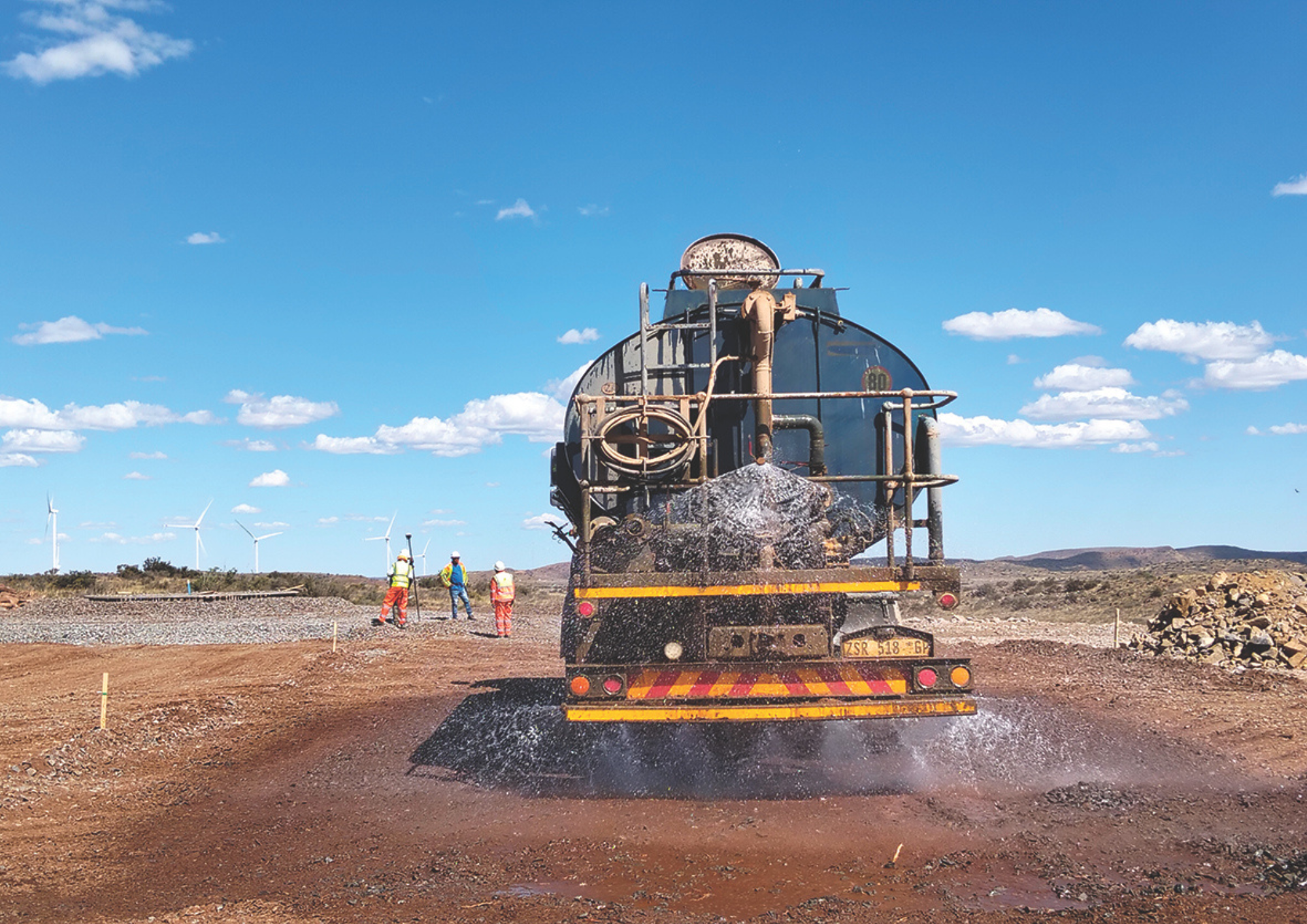
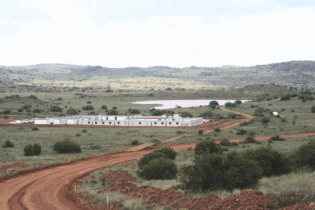
From dust control to water conservation, Concor ensures every site activity respects the surrounding ecosystem.
“Our goal is to avoid sedimentation and protect surrounding ecosystems,” Nodangala notes. “By managing runoff carefully, we reduce the risk of environmental damage during heavy rainfall.”
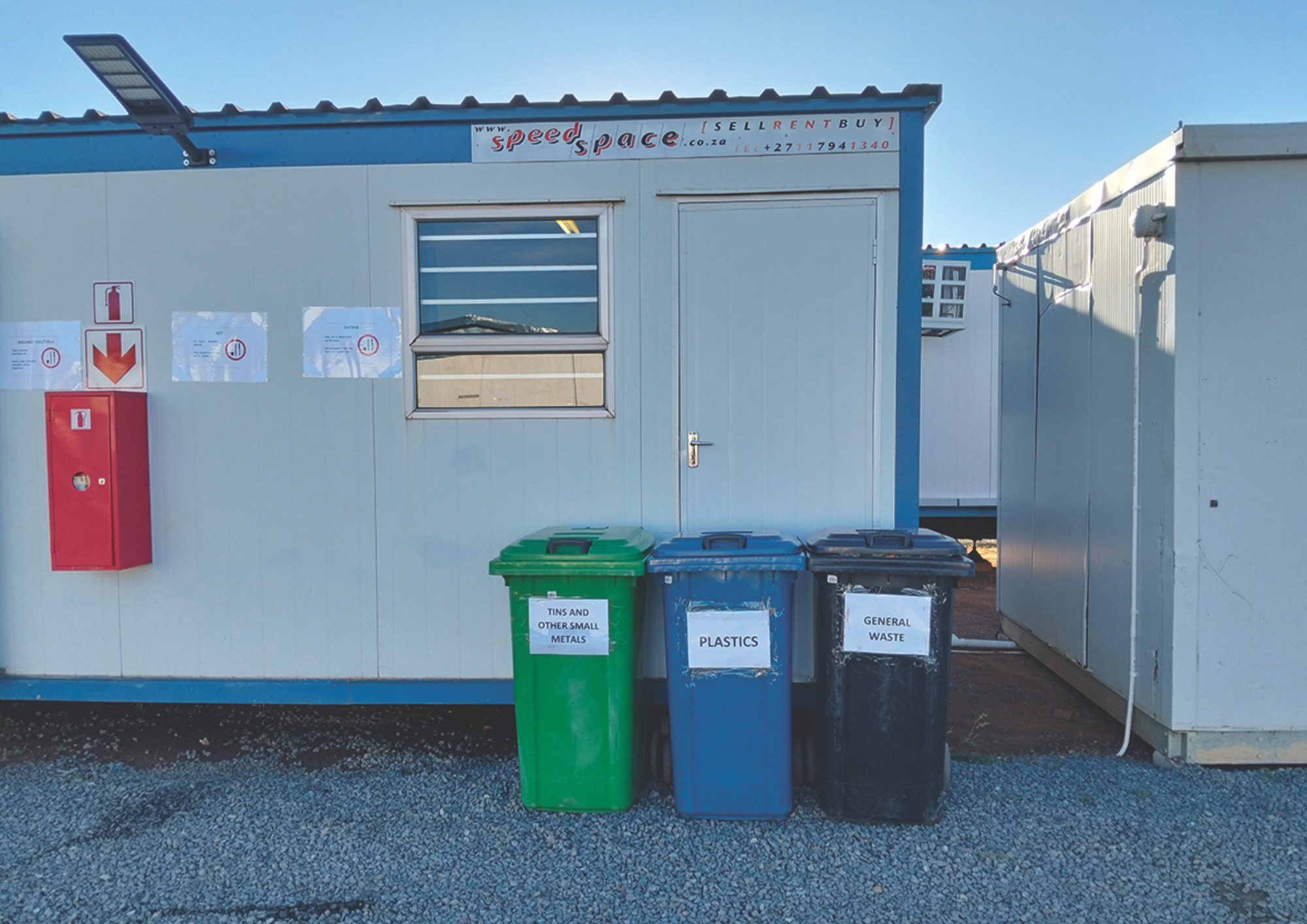
Good housekeeping and waste segregation underpin Concor’s approach to responsible construction.

The protection of biodiversity has been a major focus since the start of the project. “Before construction began, a registered specialist conducted a search-and-rescue operation under project-specific permits,” she explains. “Indigenous vegetation was relocated where necessary and biodiversity awareness training was rolled out to every employee, subcontractor and supplier.”
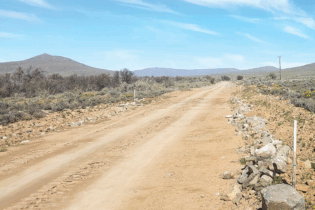
Construction activities are confined to authorised servitudes to prevent disturbance of previously relocated species and sensitive habitats. “We work very hard to ensure that no unauthorised clearing takes place outside the approved footprint,” Nodangala emphasises. “Rehabilitation is done concurrently with construction so that we can restore disturbed areas as quickly as possible using indigenous plants. This helps stabilise soils, prevent erosion and promote long term ecological resilience.” Cultural heritage management has also been important, with the team ensuring that rock kraals – heritage features of cultural significance – are properly demarcated and protected. “Access to some of these sites was challenging at first, but they are now all labelled and designated as no-go areas,” she says. “We have also appointed gate minders and worked closely with local landowners to ensure mutual respect and understanding.”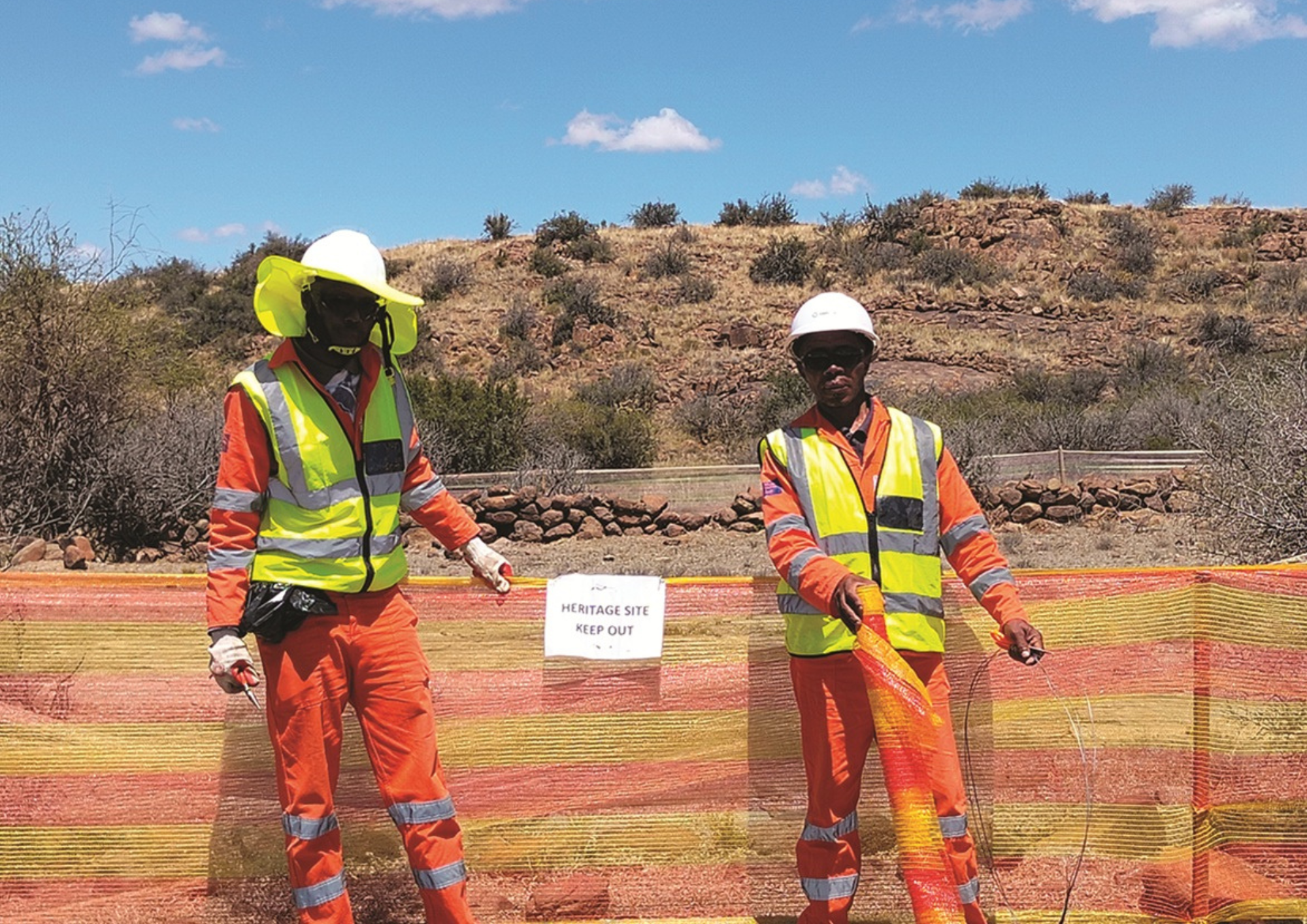
Concor’s teams have demarcated and protected culturally significant rock kraals, ensuring local history is preserved alongside progress.
“Everyone who sets foot on site needs to understand the environmental rules and why they matter,” Nodangala says. “We want people to take ownership of their actions and understand that environmental care is part of their daily job.”
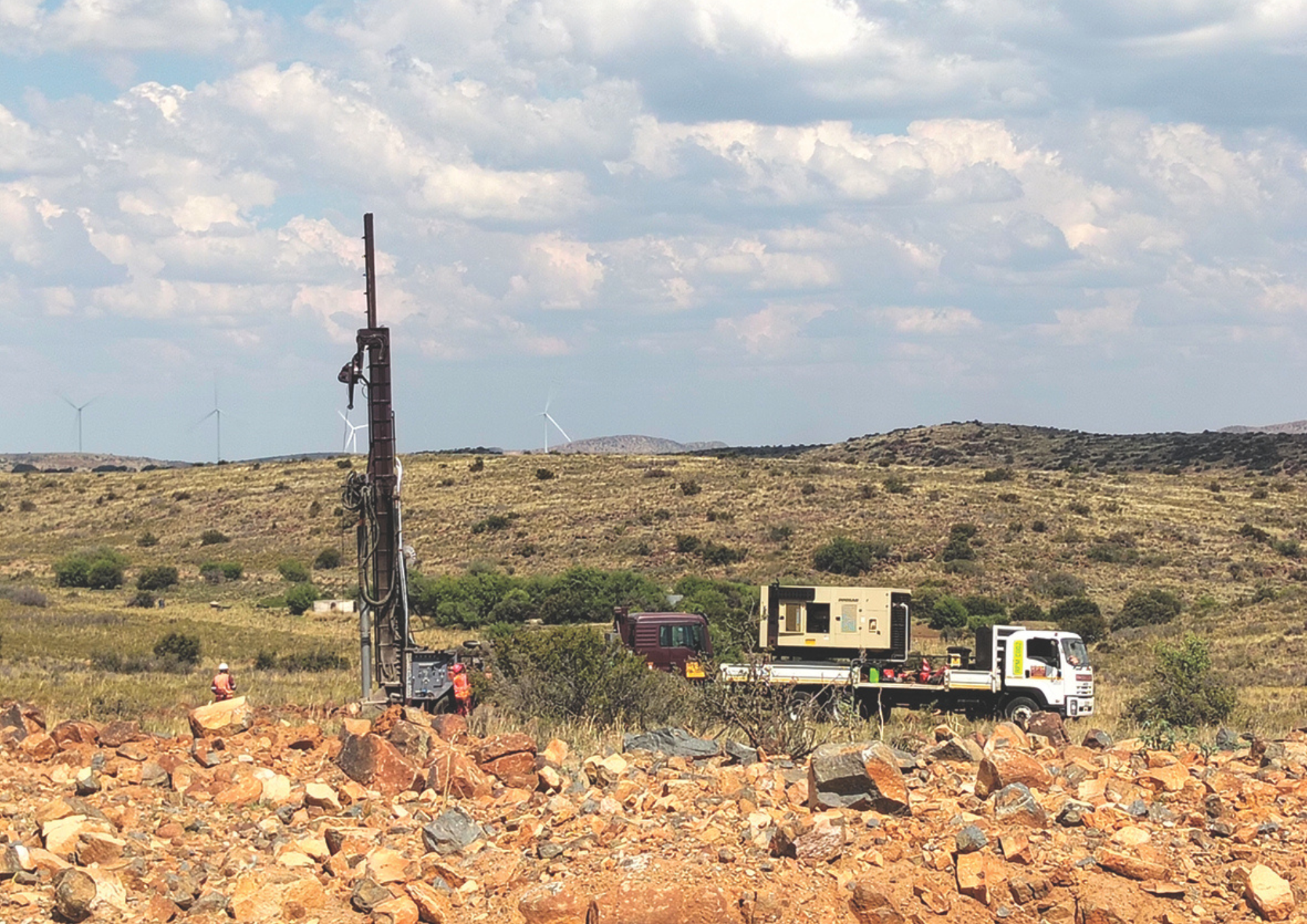
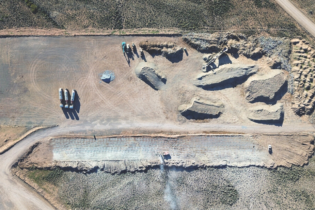
Every aspect of the project – from controlled blasting to stormwater management – is guided by best environmental practice.