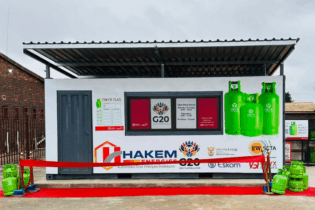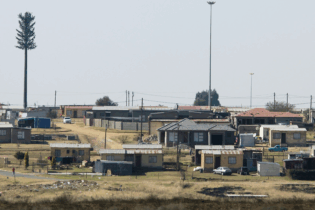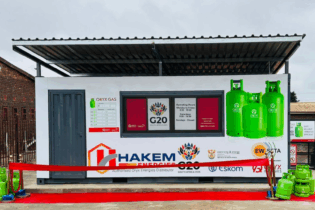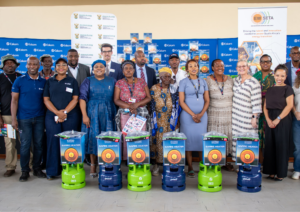
One thousand households in KwaZamokuhle have transitioned to safer and cleaner cooking solutions as the Energy and Water Sector Education and Training Authority (EWSETA) advanced phase one of South Africa’s G20 Clean Cooking Legacy Programme through a community-based activation.
The intervention positions clean cooking as a public health priority, aimed at reducing household exposure to indoor air pollution caused by coal, paraffin and firewood. By anchoring this phase of the programme in KwaZamokuhle, the initiative demonstrates how clean cooking can deliver tangible health and safety benefits at community level. The keynote address was delivered by the Deputy Minister of Electricity and Energy, Samantha Jane Graham-Maré, who described clean cooking as a practical demonstration of South Africa’s just energy transition.“This event is life changing. It demonstrates government actively delivering on its commitment to transition households to healthier and safer cooking solutions. This is what a just energy transition looks like in practice. By building on the foundation laid in KwaZamokuhle and across our G20 legacy, we are ensuring that communities can live with dignity, safety and improved quality of life,” she said.
 EWSETA Acting Chief Executive Officer Robyn Vilakazi highlighted clean cooking as an emerging opportunity as coal-based energy systems decline.
“While this is still a relatively new focus area, it is set to become increasingly widespread. Through skills development, SMME participation and ongoing community engagement, we are building a clean cooking ecosystem that creates opportunities for women and delivers lasting health and safety benefits at household level,” she said.
Industry participation formed a critical part of the programme’s delivery. Easigas Chief Executive Officer Jeremie Tromp emphasised the need to make gas more affordable, accessible and available closer to communities, confirming the company’s commitment to the initiative through an investment of R1 million towards infrastructure and logistics development for sustainable community level access to clean cooking solutions.
EWSETA Acting Chief Executive Officer Robyn Vilakazi highlighted clean cooking as an emerging opportunity as coal-based energy systems decline.
“While this is still a relatively new focus area, it is set to become increasingly widespread. Through skills development, SMME participation and ongoing community engagement, we are building a clean cooking ecosystem that creates opportunities for women and delivers lasting health and safety benefits at household level,” she said.
Industry participation formed a critical part of the programme’s delivery. Easigas Chief Executive Officer Jeremie Tromp emphasised the need to make gas more affordable, accessible and available closer to communities, confirming the company’s commitment to the initiative through an investment of R1 million towards infrastructure and logistics development for sustainable community level access to clean cooking solutions.
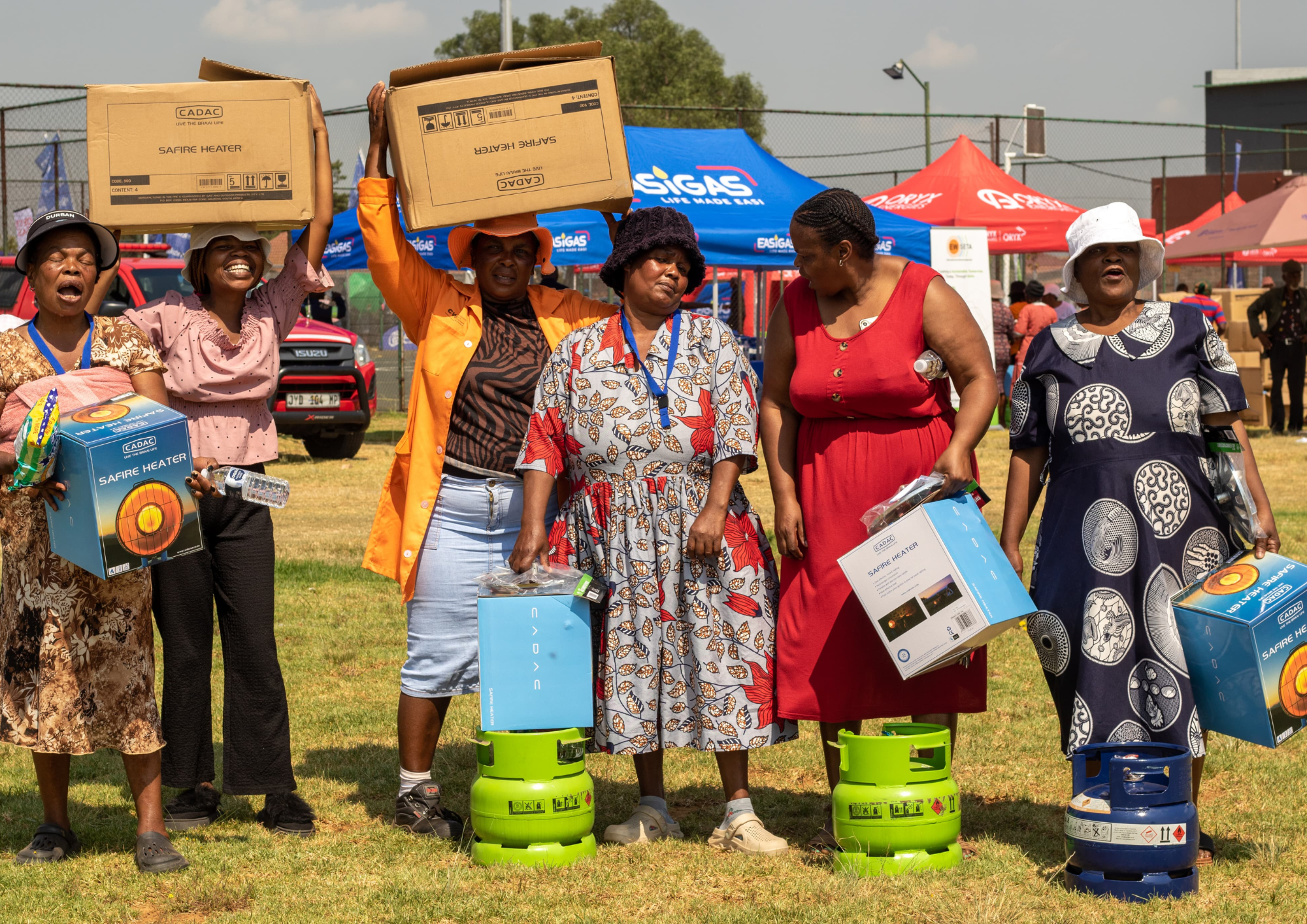
As part of this phase, one thousand beneficiary households received Clean Cooking Home Packs comprising a five kilogram LPG cylinder, refill vouchers, a cooker top and a space heating burner top. The packs are designed to remove the upfront cost barrier to adopting cleaner cooking solutions, enabling households to transition away from unsafe fuels immediately. The combined value of the household packs represents a significant investment in household safety and wellbeing.
Speaking on behalf of the community, Ward Councillor Thobile Shabangu thanked EWSETA, government and programme partners for the initiative, noting that it will deliver meaningful safety and health benefits for families. She confirmed that the selection of beneficiary households was fair and transparent and expressed appreciation for the collaborative efforts of all partners, while calling for the programme to continue and expand.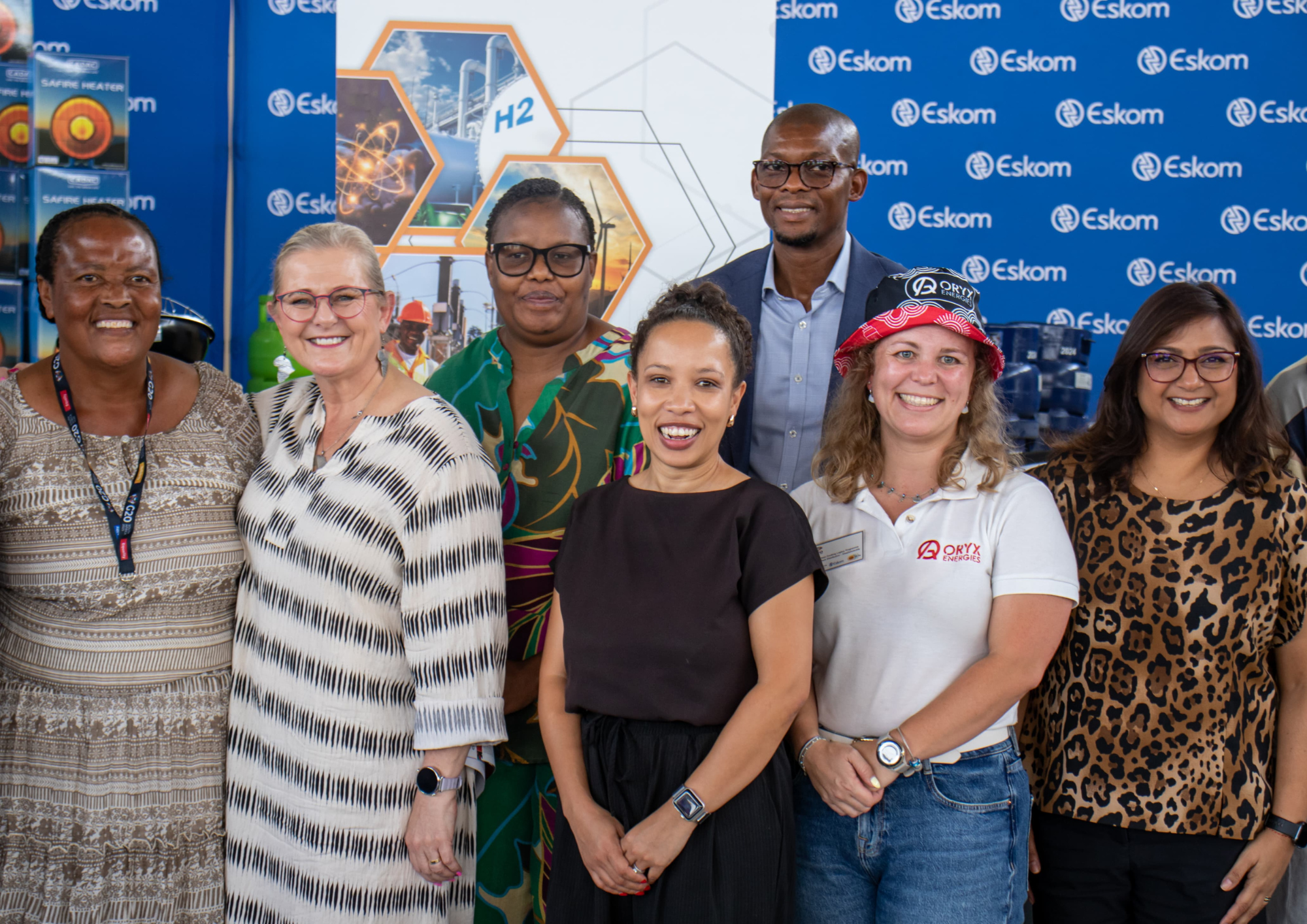 Marcus Mtsweni, a beneficiary and resident of KwaZamokuhle, who collected the clean cooking pack on behalf of his mother, said the initiative would make a meaningful difference to their daily lives.
“My mother will no longer have to spend so much time fetching wood or making a fire before she can cook. Having a cleaner and safer way to cook improves our health and makes everyday life easier for our family.”Beyond household access, the programme continues to focus on building a sustainable clean cooking ecosystem through accredited skills development, community education and the inclusion of local SMMEs in the clean cooking value chain. This approach supports long term adoption while creating economic opportunities, particularly for women, who are disproportionately affected by unsafe cooking environments. The KwaZamokuhle activation demonstrates how South Africa’s G20 Clean Cooking commitments are being translated into practical action. It reinforces EWSETA’s role in ensuring that clean energy interventions deliver lasting health, social and economic impact at household level.