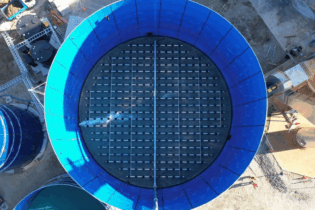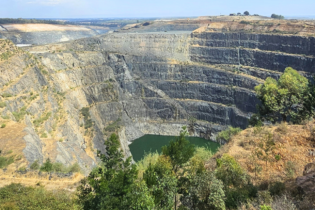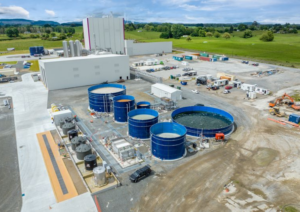
Steel tank pioneers, Aquadam, are transitioning away from galvanising their ladders, pipes, and flanges. Instead, they now coat these components with Fusion-Bonded Epoxy (FBE) – a durable, non-toxic alternative that offers superior protection without contributing to excessive zinc in water systems.
Understanding the Zinc issue
Zinc is a naturally occurring metal, essential to human health in small amounts. However, excessive zinc in water sources has become a growing concern, especially in environments where galvanised steel is widely used. Here is how zinc finds its way into water:- Natural weathering: Zinc-bearing minerals in rocks and soil can leach into rivers, lakes, and groundwater over time.
- Industrial and agricultural activity: Mining, metal processing, and the use of zinc-based fertilizers can all contribute to elevated zinc levels in surface and groundwater.
- Corrosion of galvanised materials: Galvanised steel, often used in plumbing and fittings, can corrode over time, releasing zinc into water supplies.
- Old household plumbing: Many older buildings still contain galvanised pipes that leach zinc as they deteriorate.
- Airborne deposition: Industrial emissions containing zinc particles can settle into water systems through rain or dust.
Why excess Zinc is a problem
While trace amounts of zinc are safe – even necessary – high concentrations can lead to:- Unpleasant taste or odour in drinking water
- Gastrointestinal discomfort from prolonged exposure
- Potential harm to aquatic ecosystems.

The FBE advantage
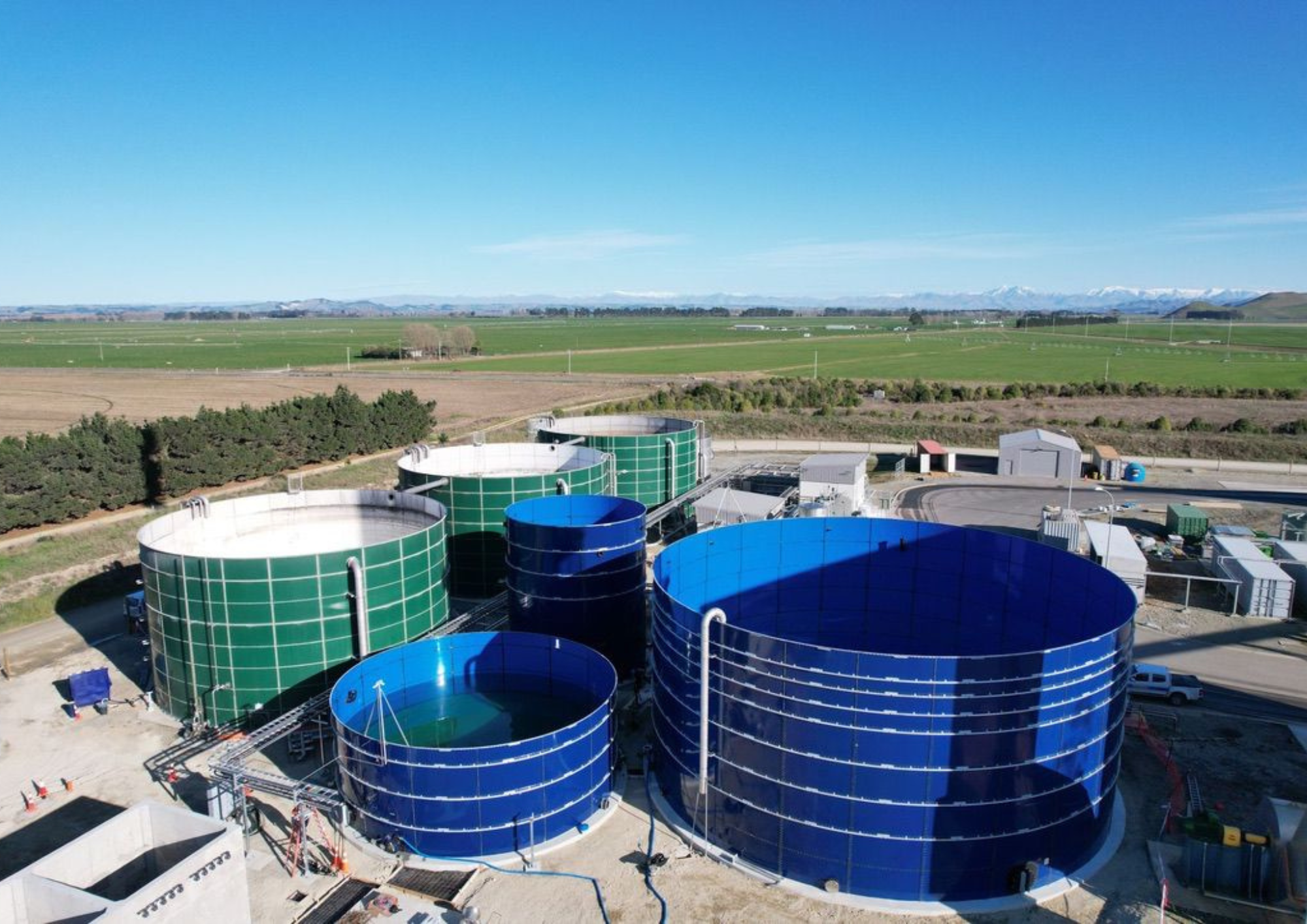
Aquadam steel tanks with Fusion-Bonded Epoxy
- No zinc leaching: Safe for potable water and food-grade applications
- Superior corrosion resistance: Protects against both internal and external corrosion
- Longer lifespan: More durable in aggressive environments
- Environmentally responsible: Reduces metal contamination risks in water sources.