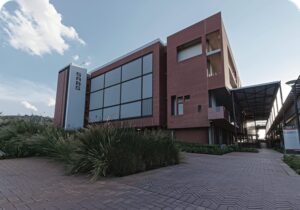
The South African Bureau of Standards (SABS) will host the 37th meeting of the International Organization for Standardization (ISO) Technical Committee 147 (Water Quality) from 13–18 April 2026 in Pretoria, bringing together approximately 100 international experts from 39 countries to advance the development of global water quality standards.
The week-long meeting will include more than 40 technical sessions focused on the development of standards used to define, measure, and assess water quality. These standards support a wide range of applications, including drinking water, industrial use, food preparation, and environmental monitoring across surface water, groundwater, wastewater, and aquatic ecosystems. The committee’s work focuses on how water quality is evaluated, including the sampling of water and the measurement and reporting of chemical, microbiological, biological, radiological, and ecological characteristics. This enables consistent and reliable methods for understanding water quality across different environments and uses. South Africa is hosting the meeting as part of its active role in international standardisation. SABS holds participating (P-member) status on ISO/TC 147 and plays a leadership role in one of its subcommittees, enabling the country to contribute directly to the development of international standards. This reflects SABS’ active participation and influence in shaping international standards through its network of technical experts.
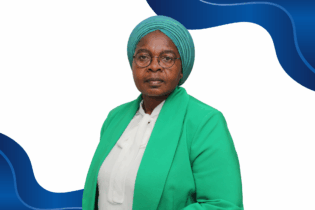
Divisional Head of Standards at SABS, Dr Sadhvir Bissoon, said: “Given the growing challenges around water quality and security, it is more important than ever for South Africa to be part of global standards discussions. This meeting provides a timely platform for engagement, knowledge exchange, and contributing to the ongoing development of standards that are relevant both globally and within our local context.”
The committee has published over 340 international standards and continues to develop new ones through its technical working groups, reflecting evolving scientific knowledge and global priorities in water quality. Bissoon concluded: “Standards may not always be visible, but they play an important role in how we understand the quality of the water we use every day. Ultimately, this is about making sure that water is safe, reliable, and supports the wellbeing of our communities.”