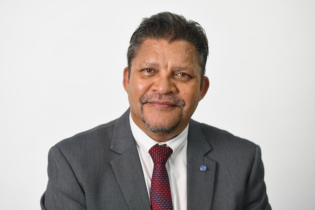

Chris Campbell, CEO of Consulting Engineers South Africa
“South Africans don’t need grander commitments, the country needs delivery. Infrastructure must move beyond rhetoric to actionable outcomes that improve lives and livelihoods.”Reliable access to water, sanitation, energy and transportation is essential, not only for dignity but also for economic participation and sustainable growth. Yet, too often, projects are announced without follow-through or plans stall without producing lasting results. CESA insists development must be performance-driven, not story-driven. Earlier this year, the President of South Africa Cyril Ramaphosa, highlighted the National Dialogue South Africa initiative during the State of the Nation Address as a key platform to tackle major developmental challenges such as infrastructure, social inequality, and economic growth. “Since then, however, we have not heard much further about this. South Africa is not lacking engagement platforms. What we need is momentum that translates into measurable delivery. Dialogue should be a catalyst for action, not a substitute for it,” adds Campbell.

As local governments face rising expectations from communities, the need for timely and accountable infrastructure delivery has never been more pressing. Central to the solution is placing engineers who design, plan and oversee implementation, at the heart of infrastructure delivery, Campbell argues. “If infrastructure-led growth is our goal, engineers must lead the way. Delivery must be grounded in technical expertise, not just policy statements.”
Positive signs are emerging in some regions. For example, in eThekwini, planned investments in water infrastructure over the next few years show recognition of urgent service needs. However, Campbell cautions that intention alone does not equal impact. “We are seeing movement, but the true test will be whether these projects are completed and deliver tangible benefits locally. It’s essential that we address issues that have impacted infrastructure delivery, including technical capacity and skills shortages, inefficient procurement processes, and corruption.” Persistent systemic issues continue to impede progress, including delayed payments during the process of delivery and post-completion, procurement bottlenecks, continuous extension of bid validity as the same bid prices, non-transparent panel appointments, unreasonably low pricing which often translates into increased risk to both client and service provider and a lack of professional standards enforcement at the municipal level across South Africa. “These factors have created instability for many consulting engineering firms. Our members have been operating in survival mode for years. This is unsustainable for a sector vital to national development,” explains Campbell. “Infrastructure projects must be properly planned, fairly procured, adequately funded and fully executed to generate meaningful, lasting services for businesses and society. “With growing demands on local government to deliver on service delivery, CESA will continue to advocate and provide national engagement platforms across South Africa, such as through our next branch function in KwaZulu-Natal on 23 April, to explore practical solutions to infrastructure delivery challenges,” concludes Campbell.