


The South African Local Government Association (SALGA) has called on municipalities across several provinces to activate preparedness and response measures following a warning by the South African Weather Service (SAWS) of an intense cut-off low-pressure system expected to affect large parts of the country between Tuesday, 5 May and Thursday, 7 May 2026
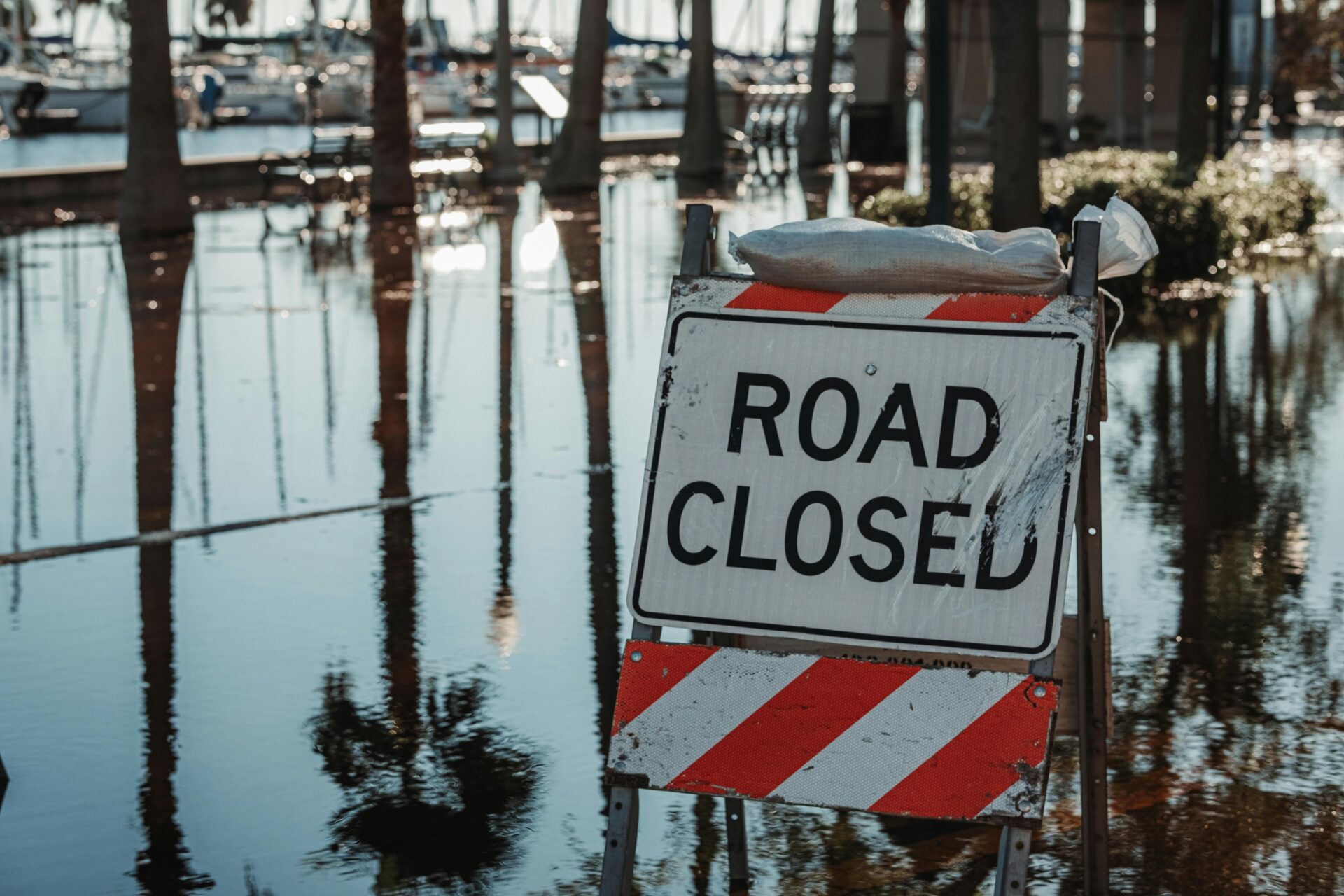 . According to SAWS, the system is expected to bring cold, wet and windy conditions, with the potential for widespread and disruptive rainfall, flooding, damaging winds, severe thunderstorms, snowfall in high-lying areas and dangerous coastal wave conditions. Rainfall accumulations of between 100 and 200 millimetres are possible in some areas. The provinces likely to be affected include the Western Cape, Eastern Cape, Free State, Northwest, and parts of the Northern Cape, particularly coastal and adjacent interior regions, as well as flood-prone and low-lying areas. Potential impacts The severe weather may result in:
- Flooding of roads, settlements and low-lying areas
- Damage to infrastructure such as roads, bridges and stormwater systems
- Power outages and disruption of essential services
- Dangerous driving conditions and road closures
- Coastal damage due to very rough seas and possible storm surge
- Risks to livestock and travel disruptions in snow-affected high-ground areas
- Disaster Management Centres to activate monitoring and coordination mechanisms and maintain close liaison with provincial disaster management authorities.
- Fire, Rescue and Emergency Services to ensure personnel and equipment are ready to respond to flooding, storm damage and rescue incidents.
- Infrastructure and Technical Services to clear stormwater drains, inspect critical infrastructure and prepare rapid-response teams for potential damage.
- Human Settlements and Community Services to identify vulnerable communities and ensure temporary shelter facilities are ready if required.
- Traffic and Law Enforcement Services to monitor high-risk routes, manage road closures and ensure public safety.
- Municipal Communications Units to share verified SAWS warnings and safety messages through official channels.
- Avoid crossing flooded roads and swollen rivers
- Exercise caution when travelling, especially in poor visibility
- Secure loose items around homes and businesses
- Heed instructions from local authorities and emergency services


