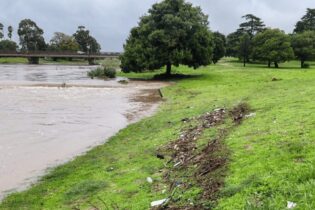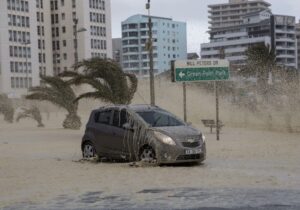
As businesses across the Western Cape assess the impact of severe rain, flooding, and storm damage, commercial property owners and operators are being urged not to stop their recovery efforts once visible water has been removed.
The warning follows severe weather in the province, with the South African Weather Service issuing a Level 8 warning for disruptive rainfall, strong winds, flooding, mudslides, and infrastructure damage. Western Cape schools were also closed on Tuesday, 12 May, following consultation with disaster management authorities. For many businesses, the immediate priority after flooding is to remove standing water, clean affected areas, assess damage, and reopen quickly. However, the higher cost can emerge later, when moisture trapped in walls, floors, stockrooms, shelving, timber, packaging, and equipment begins causing secondary damage. Wynand Deyzel, Commercial Sales Manager at air treatment specialist Solenco, says businesses should treat post-flood drying as part of the recovery process, not an afterthought.“When water has been removed from a premises, it can create the impression that the building is dry. In reality, moisture often remains trapped in porous materials, enclosed spaces, and stored goods. That is where businesses can run into problems days or even weeks after the initial flooding,” says Deyzel.Persistent moisture can affect wooden fixtures, flooring, plaster, documents, packaging, stock, electronics, and sensitive equipment. It can also create conditions for mould growth, odours, corrosion, and contamination if the space is not properly dried. Mould can begin to grow on damp surfaces within 24 to 48 hours if moisture is not addressed, turning a short-term clean-up into a longer-term operational, health, insurance, and maintenance issue. For business owners affected by the recent weather in the Western Cape, Deyzel recommends prioritising safety and documentation before clean-up begins.
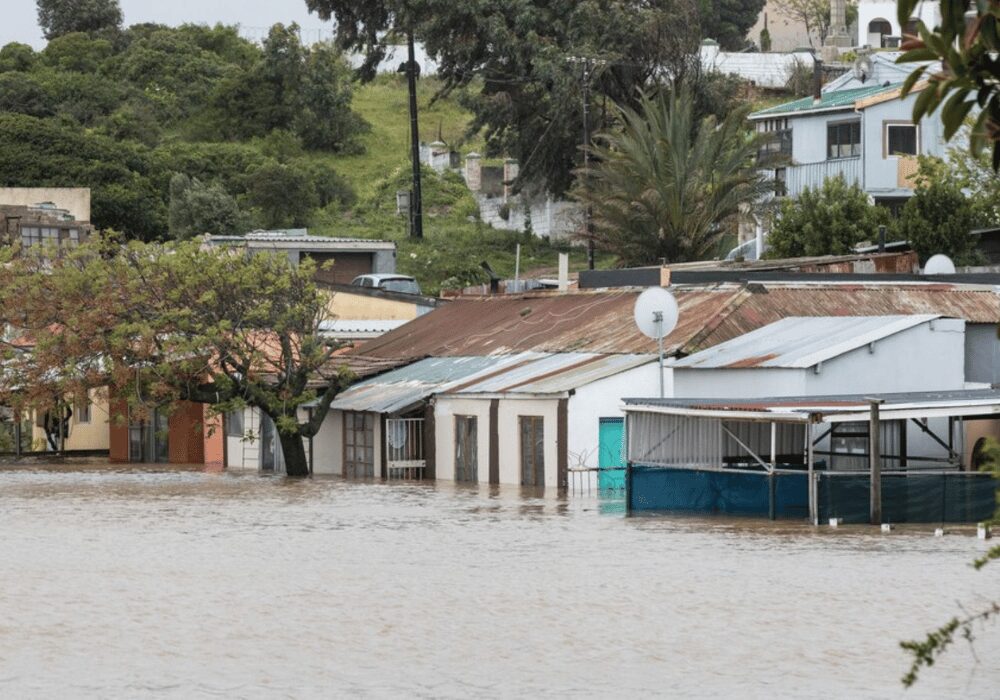

“Do not enter a flooded property until the electrical supply has been made safe and the depth and source of the water have been assessed. Floodwater can contain sewage, waste, chemicals, and other contaminants, so protective clothing, gloves, and waterproof footwear should be used. Take photographs, record damaged items, separate contaminated stock from salvageable goods, and keep clear records of clean-up and drying work. In the rush to reopen, those details can easily be missed, but they matter for insurance and recovery,” he says.
The risk extends beyond the Western Cape. Recent flood events show how quickly severe weather can translate into major economic and infrastructure losses, from the reported R1.4 billion in agricultural damage caused by the September 2023 Western Cape storm and floods to damage of just over R1 billion in Nelson Mandela Bay in June 2024 and estimated infrastructure damage of R1.5 billion in eThekwini in 2025. For businesses, these events highlight the broader consequences of disrupted premises, damaged stock, delayed reopening, and secondary moisture-related losses. In some commercial and construction environments, heaters are still used to try to dry affected spaces quickly. Deyzel says this can create a false sense of progress. “Heat can make the air feel drier, but it does not necessarily remove moisture from the building. In porous materials such as concrete, plaster, and flooring, moisture can remain trapped and return as surfaces cool. Where gas heaters are used in enclosed spaces, they can also add water vapour to the environment. The goal should be to extract moisture properly, not simply heat the space,” he says. As the Western Cape moves from emergency response to recovery, businesses will need to look beyond visible damage and manage the hidden moisture left behind.About Solenco
Solenco is a South African leader in air treatment and lifestyle technology, offering unique solutions for both homes and businesses. With over 20 years of experience and exclusive rights to top global brands like Meaco, Mill, and Hobot, Solenco delivers healthier, more efficient, and more refined living. For the consumer market, Solenco helps South Africans breathe easier, live better, and entertain in style – available through trusted retailers like Yuppiechef, @Home, and Hirsch’s.Its commercial division partners with industries such as agriculture, pharmaceuticals, and hospitality to provide reliable, tailored air treatment solutions built for South African conditions.
With nationwide distribution, expert support, and a commitment to sustainability, Solenco empowers smarter living and working every day. Through its partnership with Eden Projects and the Community Rhino Conservation Initiative (CRCI), every Solenco website order plants three trees, while Kusasa and Thuza air purifier sales support conservation and community development in Hwange National Park, Zimbabwe. Learn more: www.solenco.co.za | Hwange Initiative