
The construction industry must move fast to adopt new technologies to overcome chronic productivity, safety, and efficiency challenges, with the aim of reducing project delays, material waste, and cost overruns.
South Africa’s infrastructure backlog necessitates adopting and adapting new technologies where applicable. If not, it risks stagnating in chronic productivity, safety, efficiency challenges, project delays and ballooning costs. This is the view of Wimpie Janse van Rensburg, executive manager: engineering and technical at TRAC, the concessionaire responsible for one of Southern Africa’s most important transport corridors, the 580 km N4 Toll Route running from the Solomon Mahlangu off-ramp in Tshwane, Gauteng, to the Port of Maputo in Mozambique. Driven by this thinking, TRAC has partnered with Tau Pele Construction, the main contractor on the Schoemanskloof road upgrade, and consulting engineers KBK Engineers to deploy South Africa’s first Wirtgen cold in-place recycling train. The technology was first encountered by project stakeholders at the Bauma 2025 construction trade fair in Germany. Its potential value to South Africa’s road infrastructure sector immediately stood out, prompting discussions with Wirtgen South Africa about introducing the technology locally. Just a year later, the system is now operating on the Schoemanskloof section of the N4 in Mpumalanga, where Tau Pele Construction is undertaking a major upgrade of the 68 km stretch of highway. According to Frans Bouwer, managing director of Tau Pele Construction, the project includes the addition of 50 km of new lanes, alongside the rehabilitation of the existing carriageway and the overlaying of the full route.A recycling train in action
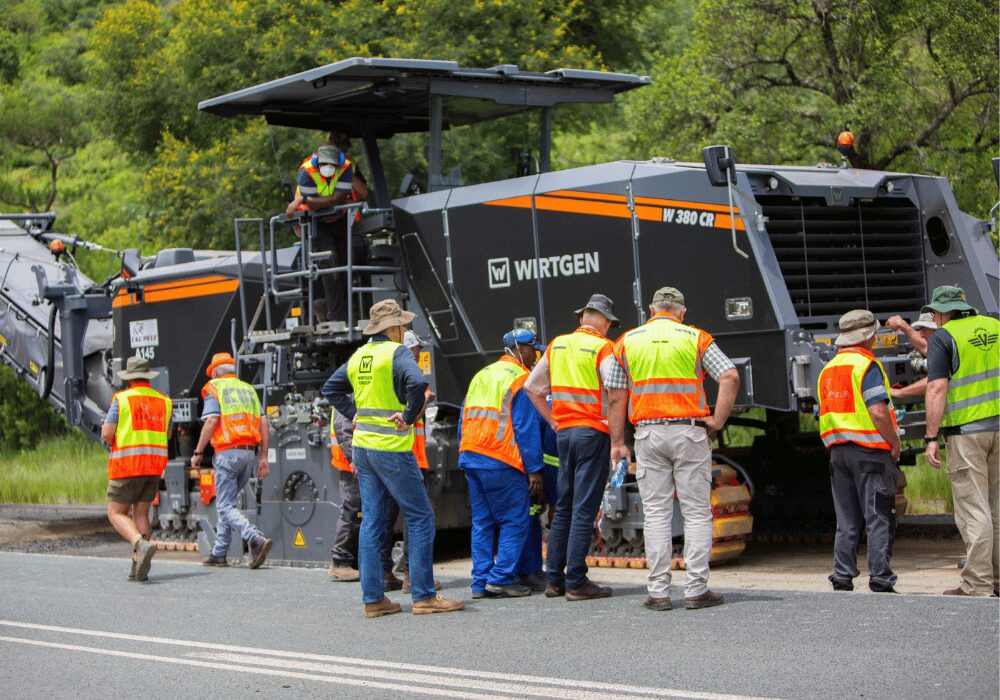
W380 CR Cold Recycler
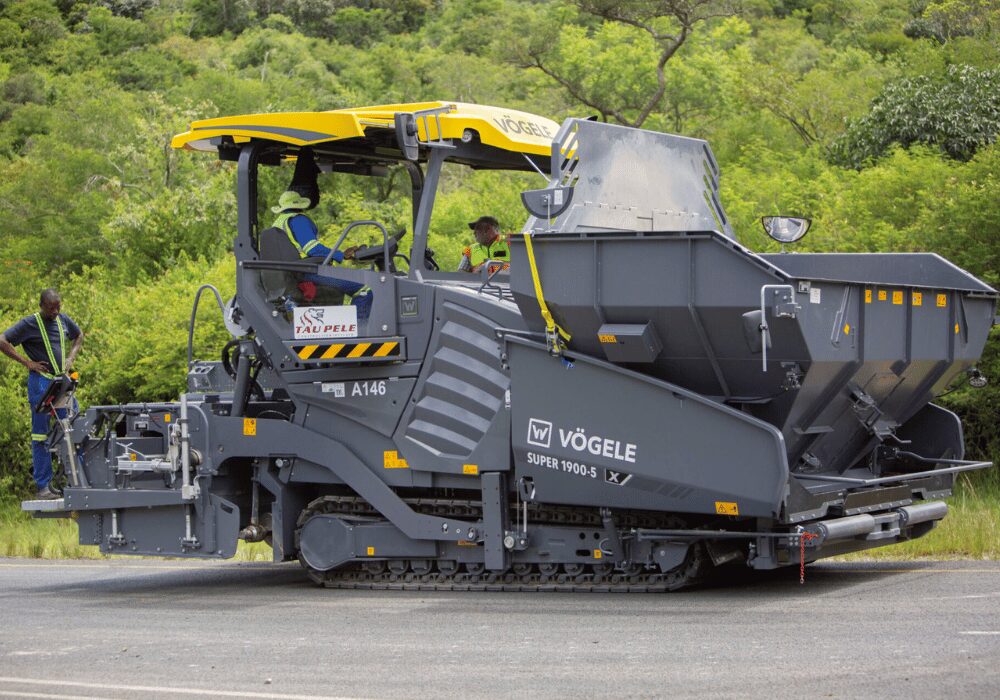
Vogele S1900-5 X Paver
What is cold recycling?
Cold recycling is a road rehabilitation technique that mills, crushes and mixes existing asphalt pavement with binding agents such as foamed bitumen or asphalt emulsion without using heat. The method can reuse up to 100% of the material in the existing road structure, dramatically reducing the need for new aggregates and minimising waste. A key aspect of the technology is that the process occurs in situ, meaning the recycling takes place directly on the road itself rather than in an off-site plant. This approach offers several advantages. By reusing the existing pavement materials on site, the need to haul old asphalt away and transport new aggregates to the site is largely eliminated. Construction times can also be reduced significantly, while traffic disruption is minimised because the work zone moves continuously along the road. In many projects, cold recycling techniques can reduce construction time by as much as 50% compared with conventional reconstruction methods.Keeping a critical corridor moving
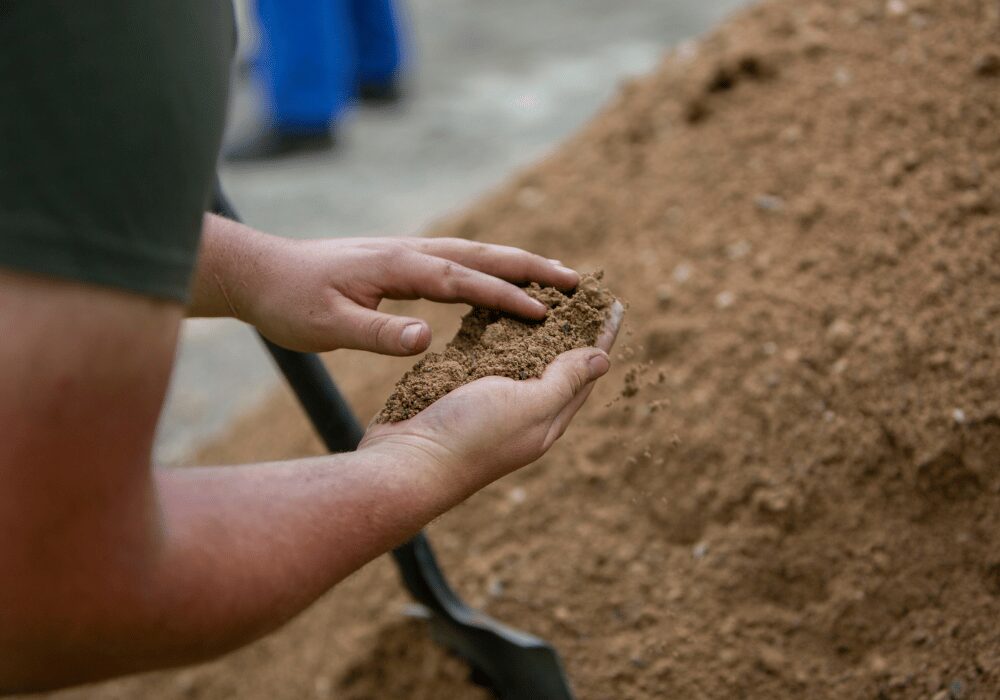
Foam bitumen stabilised material
“Given the strategic importance of the N4, maintaining traffic flow during construction is absolutely critical,” says Van Rensburg.Traditional road rehabilitation often requires stop-and-go traffic control systems that reduce road capacity for extended periods, leading to long queues and delays. “By combining milling, mixing and paving in one pass, the cold in-place recycling system allows the rehabilitated layer to be compacted and reopened to traffic almost immediately. This greatly reduces congestion and disruption.” The recycled layer quickly gains stiffness after compaction, especially when foamed bitumen is used as the binding agent, making it stable enough to carry controlled traffic even before the final surfacing layer is applied.
Significant cost savings
Beyond the time advantages, the system also offers major cost benefits. Joe Deetlefs, director at Tau Pele Construction, notes that the technology can significantly reduce material and transport costs.Because the system reuses the existing road materials, the only new inputs required are binding agents such as bitumen, cement, lime and water. In some cases, small quantities of virgin aggregate may be added to improve the material gradation.
“Material costs in road rehabilitation projects are substantial, and the ability to reuse what is already in the road structure can lead to major savings,” he explains.According to Kukard, material cost reductions of up to 50% are possible depending on the project conditions. The reduction in transport requirements also contributes to further savings, as fewer trucks are required to remove old material or deliver new aggregates.
A sustainability advantage
Cold in-place recycling also provides clear environmental benefits. By reusing the entire existing asphalt layer, the method eliminates landfill waste and reduces the demand for virgin raw materials by up to 90%. The reduction in material transport can also significantly lower the carbon footprint of road construction projects. Industry studies indicate that cold recycling techniques can reduce greenhouse gas emissions by more than 60% compared with conventional road reconstruction methods. In some documented projects, reductions in hauling requirements have reached 75–85%, dramatically lowering fuel consumption and associated emissions. These sustainability gains align closely with the increasing focus on circular construction practices and the responsible use of natural resources.Engineering performance and durability
From an engineering perspective, the recycled pavement structure differs from traditional road reconstruction methods. Instead of relying entirely on new hot-mix asphalt layers, the cold recycling process produces a bitumen-stabilised material layer that functions as a flexible and durable base. Jaco Markam, contract engineer at KBK Engineers, explains that the stabilised layer offers different mechanical properties from conventional asphalt. “The recycled layer behaves as an engineered base material with strong flexural and fatigue characteristics. When properly designed and constructed, it provides excellent durability while maintaining flexibility in the pavement structure.” Research has shown that the addition of binding agents such as cement or foamed bitumen significantly improves density, compressive strength and resistance to moisture damage. Field studies conducted internationally have demonstrated that cold recycled pavements can achieve multi-year service lives with stable rutting performance and manageable cracking behaviour, even under moderate to high traffic volumes. For the Schoemanskloof project, where the road carries more than 2000 vehicles per day, the system is expected to deliver performance comparable to conventional pavement structures when combined with an appropriate surface treatment.A glimpse of the future
Markam believes the use of reclaimed asphalt pavement will become increasingly important as natural construction materials become scarcer.“All stakeholders in the construction value chain must work together to make better use of the materials already available in our infrastructure,” he says.“Reusing in-place materials reduces the need for virgin aggregates and eliminates the costs associated with transporting them to the site. The technology is already proven globally, and we are proud to be part of the team introducing the first cold in-place recycling train in Africa.” As South Africa continues to grapple with ageing road infrastructure and constrained public budgets, innovations such as cold recycling could play a vital role in delivering faster, more cost-effective and environmentally responsible road rehabilitation.